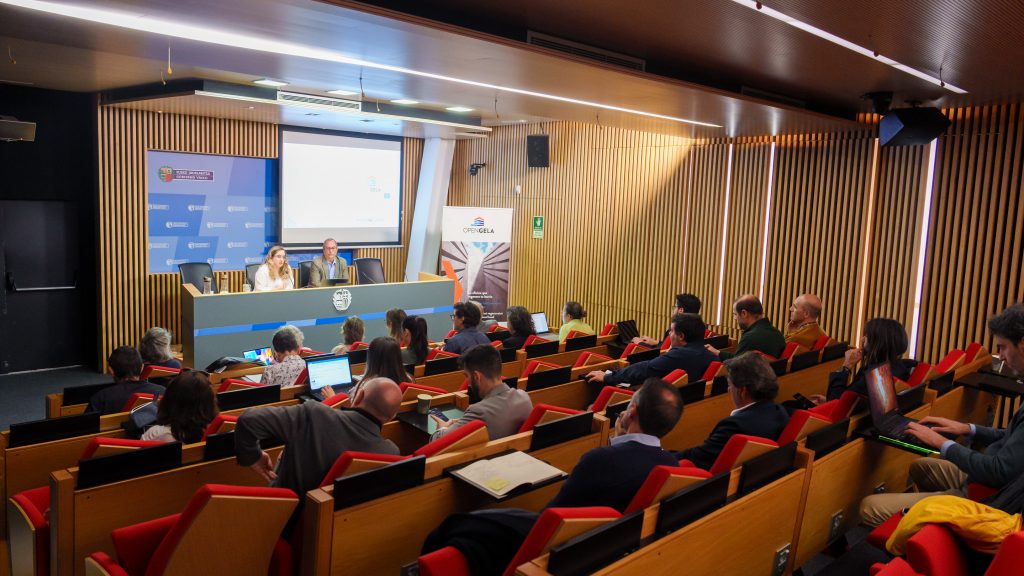
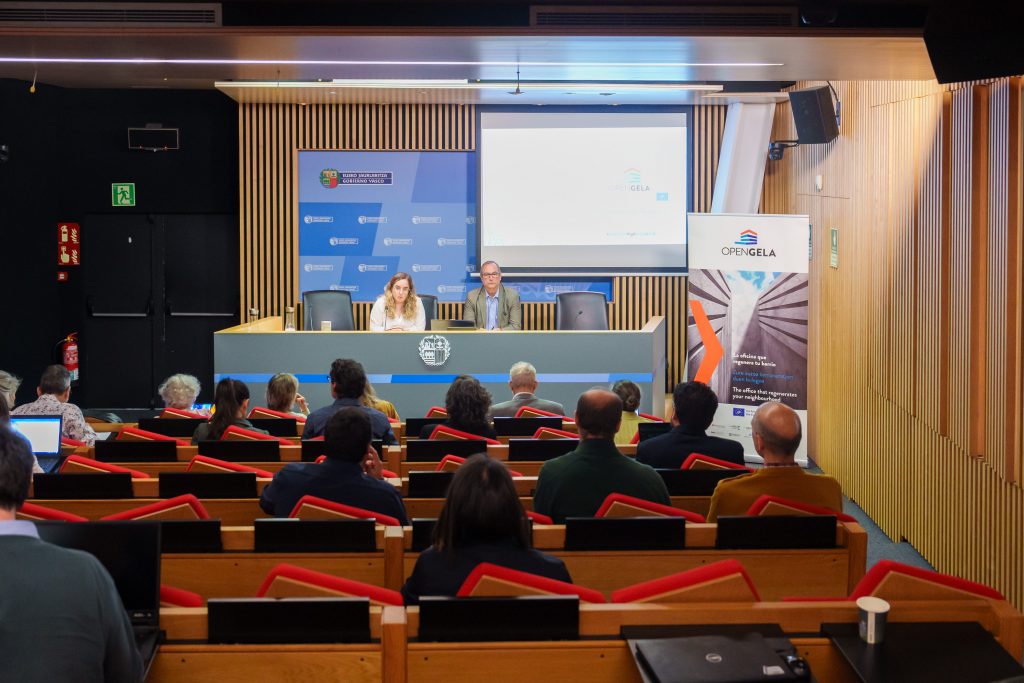
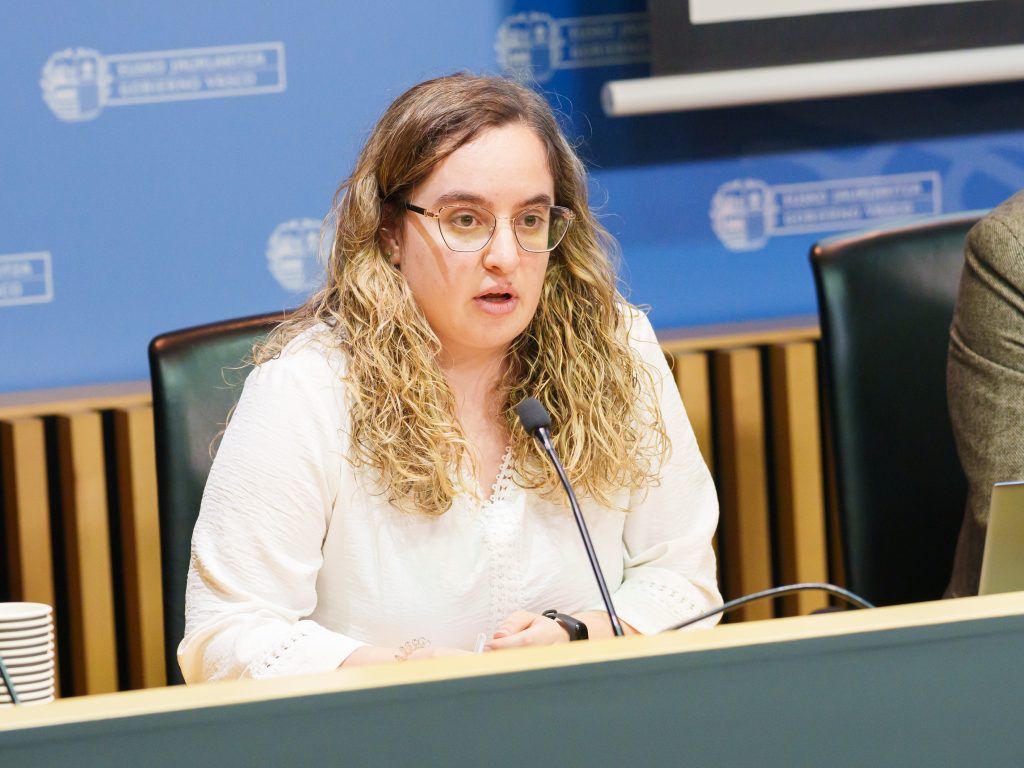
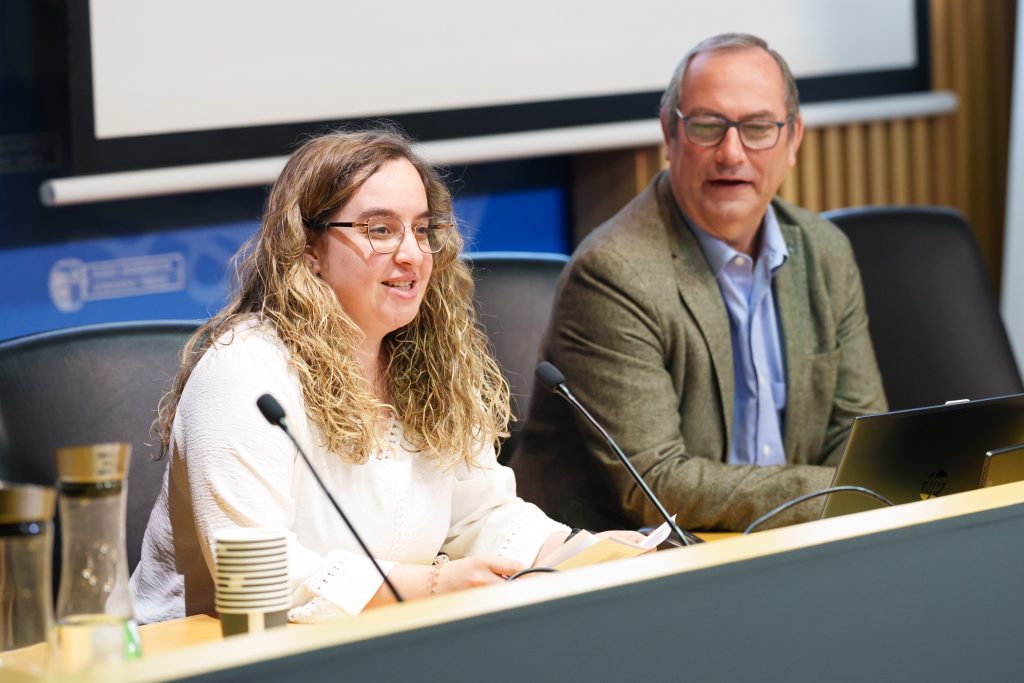
Aramotz, the first neighbourhood in the Basque Government’s Opengela project to complete its comprehensive regeneration

Aramotz, the first neighbourhood in the Basque Government’s Opengela project to complete its comprehensive regeneration

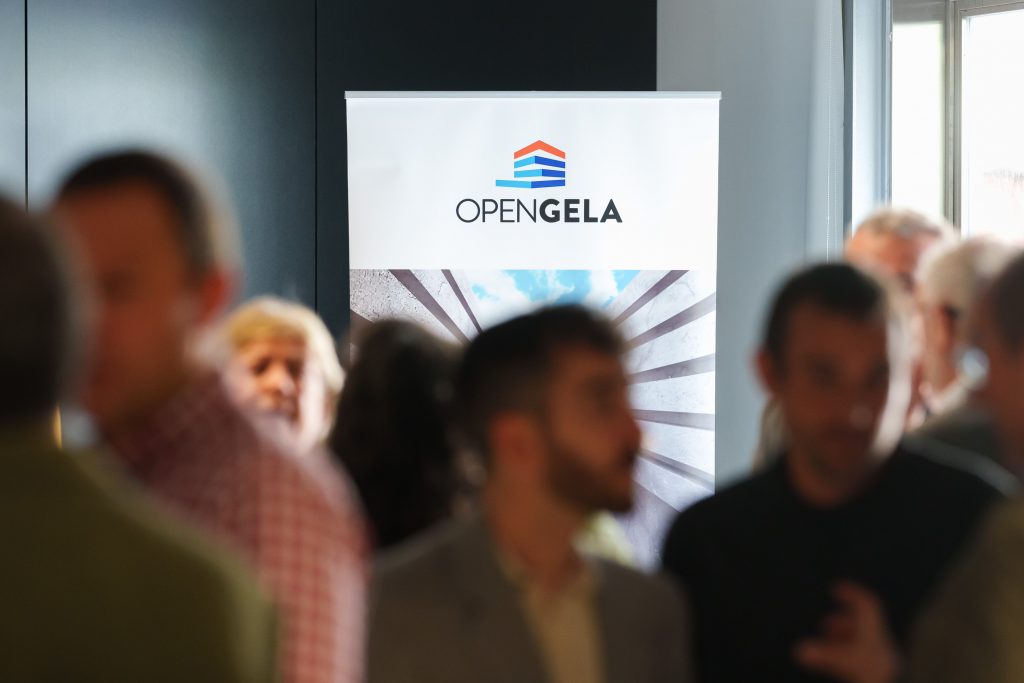
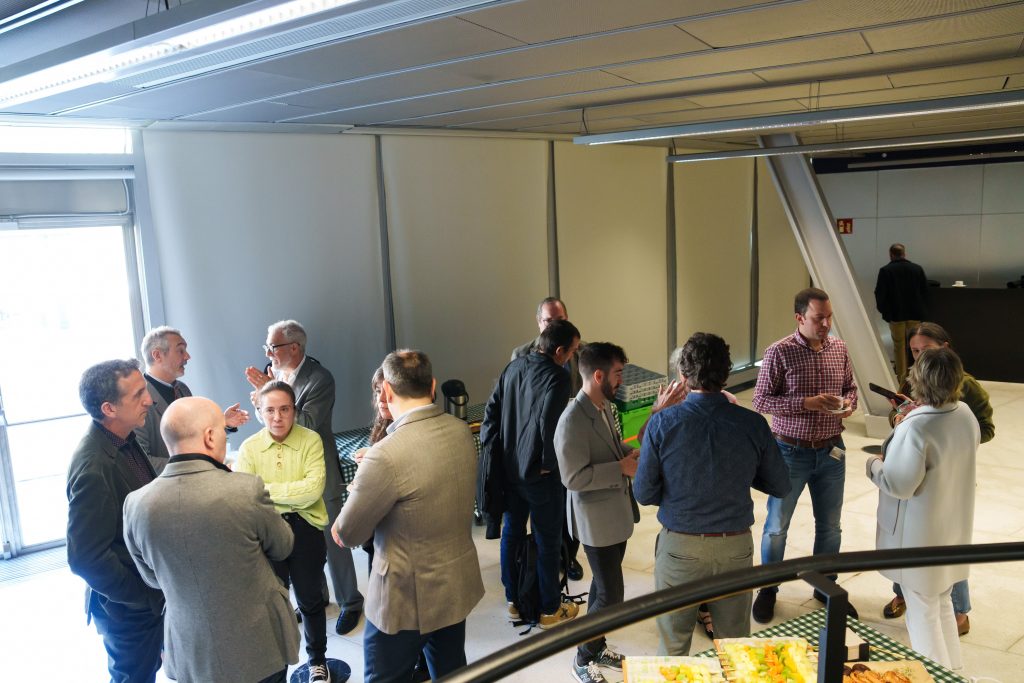
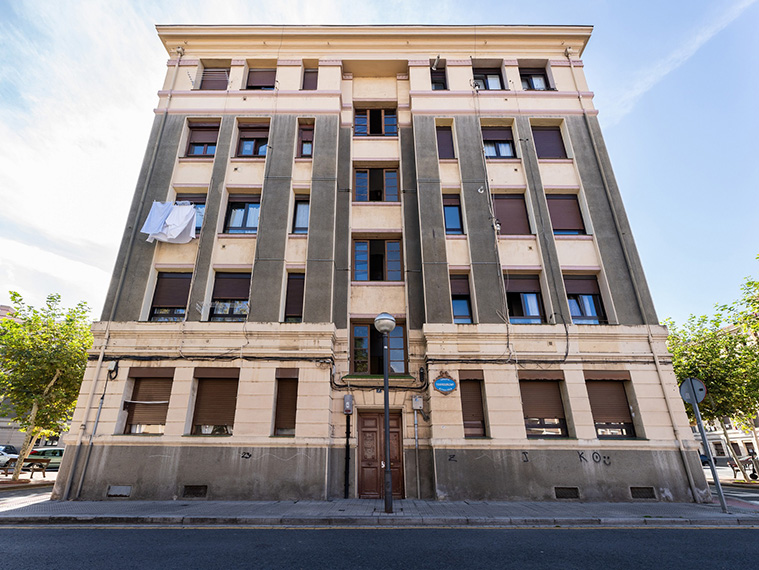
Picture: Durango Town Council
  • The renovation of 130 homes and the reurbanisation of the neighbourhood have involved an investment of €10.8 million, of which €3.3 million (30%) comes from the Department of Housing and Agenda.
  • The project integrates nature-based solutions (NBS) and reduces non-renewable primary energy consumption by more than 60%.
  • Neighbourhood participation and the proximity office (Opengela) have been the cornerstones of the neighbourhood’s regeneration.

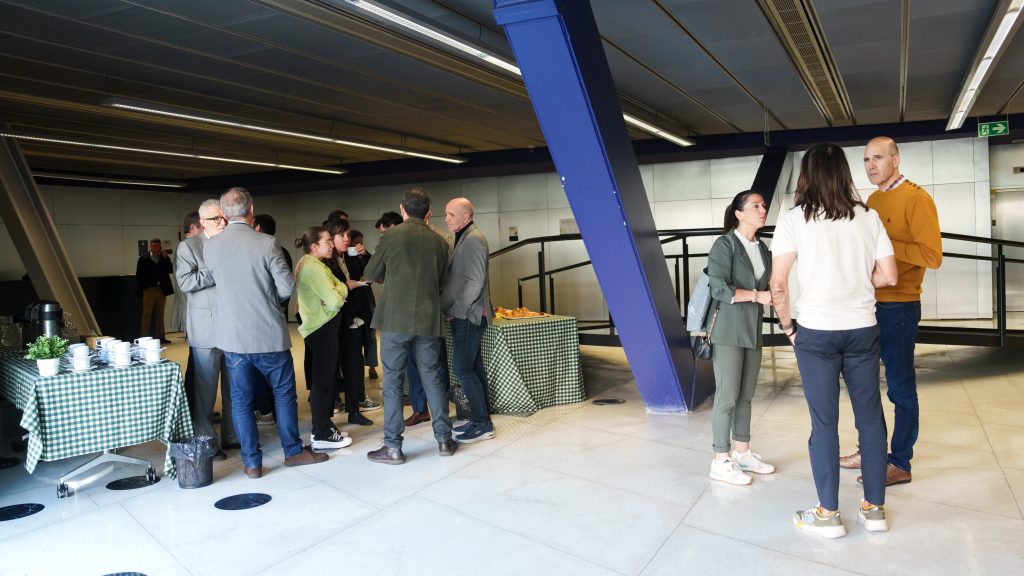
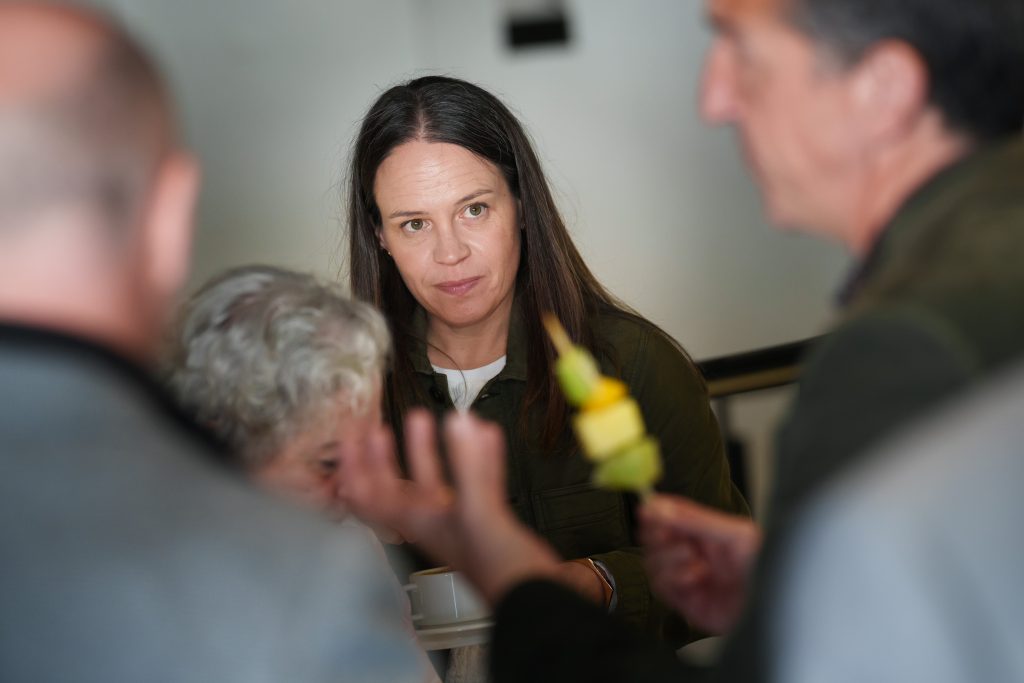
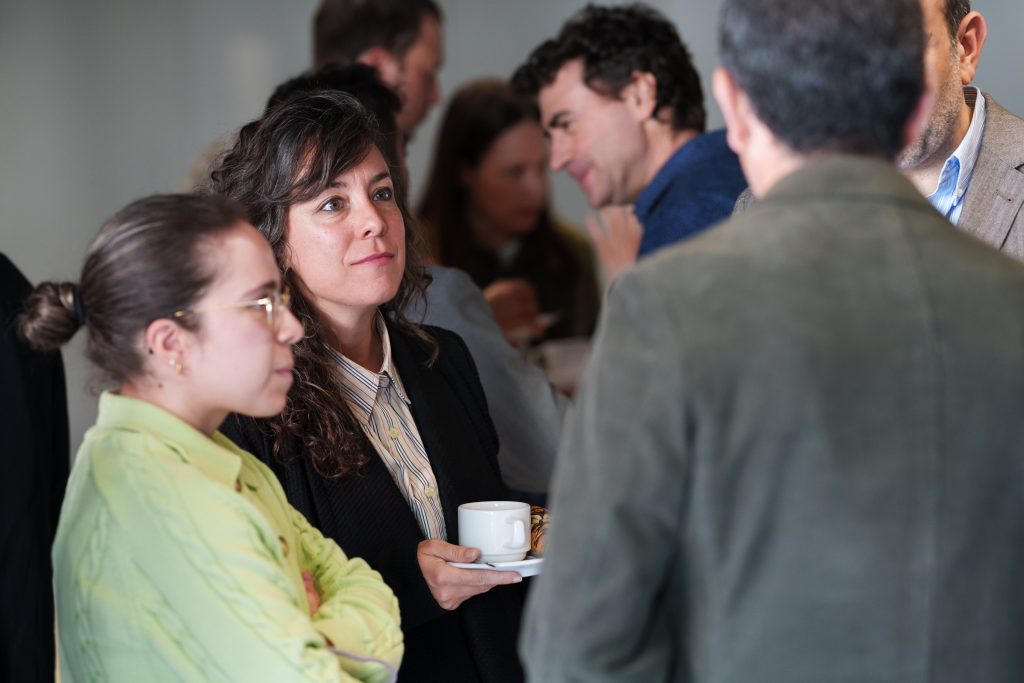
The Aramotz neighbourhood in Durango has reached a historic milestone by becoming the first neighbourhood in the BIRTUOSS-Opengela project to successfully complete its comprehensive urban regeneration process. This achievement represents a decisive step towards more sustainable, accessible and cohesive neighbourhoods, and sets a benchmark for future interventions in the Basque Country.

The intervention involved a total investment of €10,796,589, jointly financed by various entities: the Basque Government’s Department of Housing and Urban Agenda (30.47%), Next Generation EU funds (32.57%), Durango Town Council (18.42%) and direct contributions from local residents (18.54%). This joint effort reflects a shared commitment to promoting a transformation that goes beyond the physical and focuses on improving people’s quality of life.

A renovated and more sustainable neighbourhood

The project involved the renovation of 130 homes and six commercial premises, distributed across 16 buildings with ground floors and three upper floors. The work included the installation of lifts to ensure accessibility, structural reinforcement, the modernisation of facilities and comprehensive improvements to energy efficiency.

One of the keys has been the commitment to sustainability: the interventions carried out have enabled a reduction of more than 60% in non-renewable primary energy consumption, an essential requirement for accessing aid from the Recovery, Transformation and Resilience Plan. This progress not only benefits the environment, but also represents significant savings in energy costs for families.

Nature-based solutions (NBS) have also been adopted as the cornerstone of regeneration. These measures enable nature to be integrated into urban planning and respond to the challenges of climate change through sustainable drainage systems, the renaturalisation of spaces and more efficient water cycle management.

At the same time, the reurbanisation of the neighbourhood has transformed public spaces with the creation of new green areas, pedestrian streets, renovated lighting, modern street furniture and meeting places for community life. The Larrinagatxu stream has also been renaturalised, and the integration of the natural environment with the urban fabric has been improved.

The role of the technical team and neighbourhood

The neighbourhood office (Opengela), managed by the municipal public company Durango Eraikitzen and located in the neighbourhood itself, has been another key element of the project. From there, technical, administrative and social assistance has been provided to the residents’ communities, facilitating the processing of grants, the coordination of interventions and the comprehensive management of the works.

On the technical side, MAAB Arquitectura y Urbanismo was responsible for the design and planning, in collaboration with the SOIL Arquitectura del Paisaje studio. Their work has been recognised for the quality of the project and for the effort made in the comprehensive transformation of the neighbourhood. In turn, the execution of the works has been carried out by Codenor Bizkaina de Rehabilitaciones and Construcciones Intxausti, whose exemplary coordination and rigorous compliance with deadlines have been decisive for the success of the process.

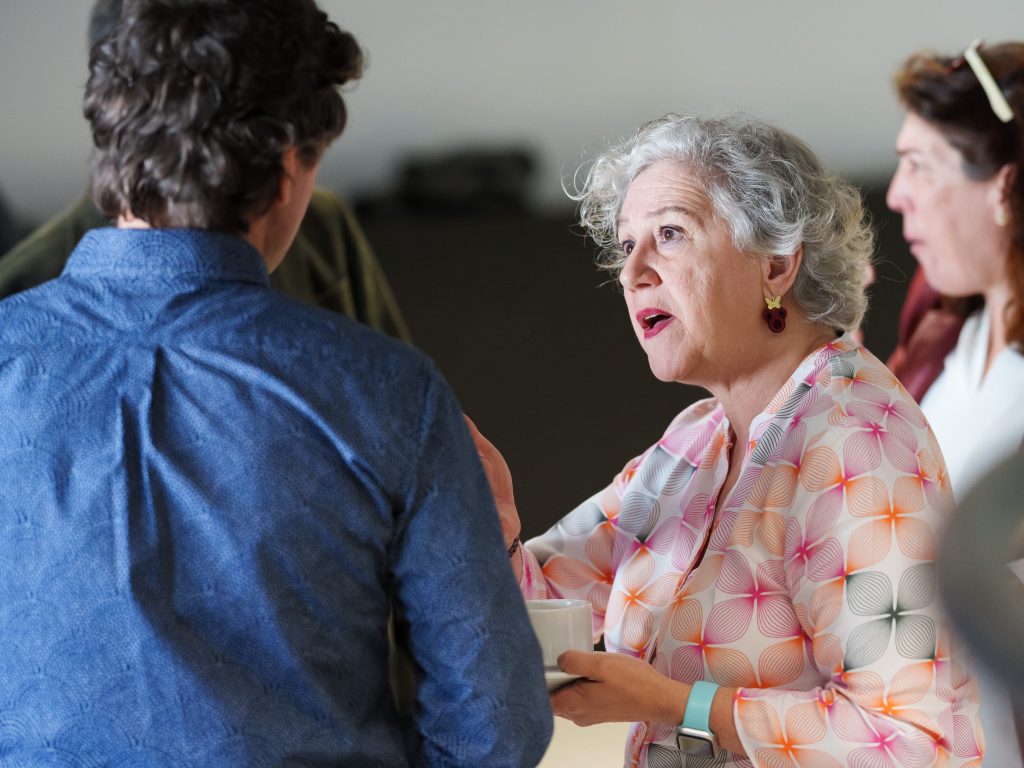
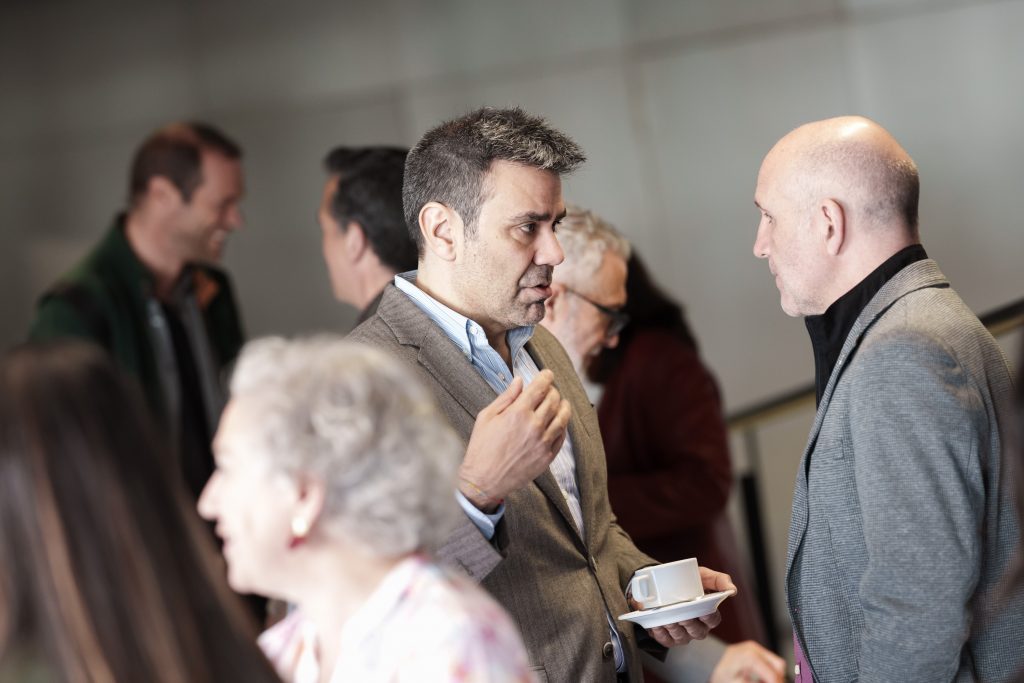
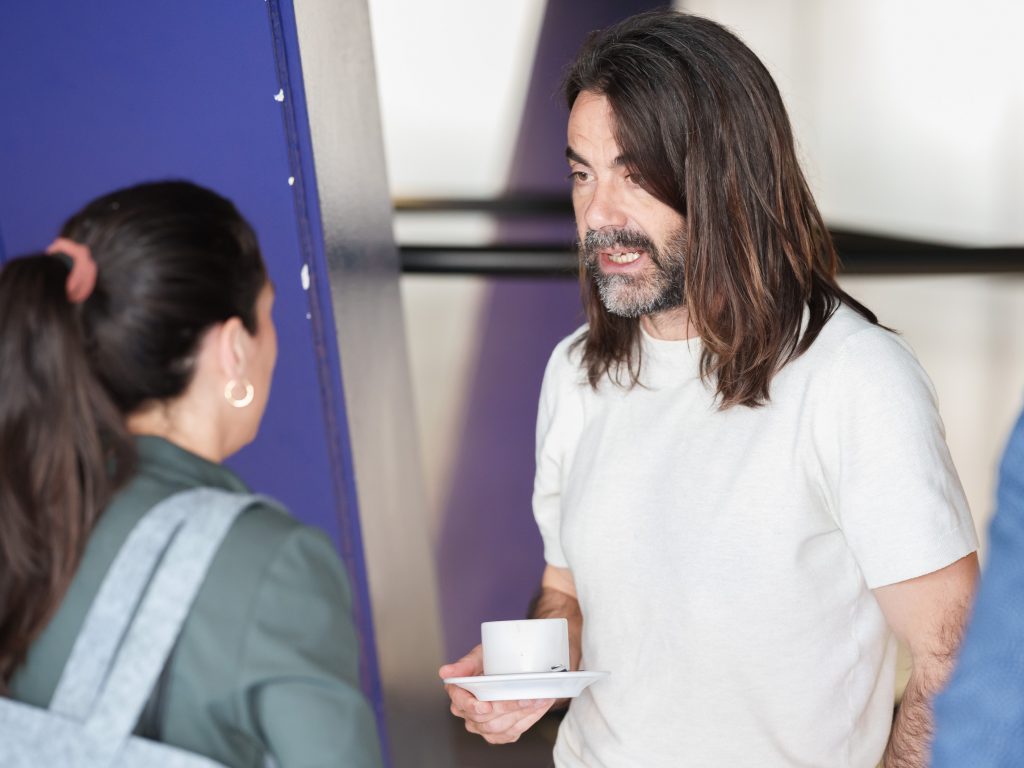
One of the most notable elements of this regeneration has been the active participation of the neighbourhood. Residents have not only contributed financially, but have also been involved throughout the process, making decisions as a community, collaborating with the proximity office and contributing their vision of how they wanted the neighbourhood to be in the future.

Thanks to this involvement, Aramotz has become an example of urban regeneration co-created by citizens, institutions and technical teams, a model based on transparency, proximity and shared commitment.

A model that is expanding

The Mayor of Durango, Mireia Elkoroiribe, emphasised that ‘the comprehensive regeneration of Aramotz has been a strategic project for Durango, not only because of its budgetary scale, but also because of the profound impact it has on the daily lives of the people who live in the neighbourhood. We are talking about improving homes, making doorways accessible, and creating public spaces designed for living together, resting and sharing. We are talking about improving homes, making doorways accessible, creating public spaces designed for socialising, relaxing and sharing’.

She added that ‘it is an initiative that transforms the physical environment, yes, but above all it transforms the living conditions of hundreds of residents’. Elkoroiribe concluded by emphasising that ‘Aramotz is being reborn, and this is the result of years of joint work between institutions and the people of Durango. It is a shared source of pride, a model of a municipality that we are extending to the whole of Durango: more accessible, greener and more inclusive’.

For his part, Juan Carlos Abascal, Deputy Minister for Territorial Planning and Urban Agenda of the Basque Government, pointed out that the success achieved in Aramotz is the result of collaboration between institutions, citizens and businesses, and a clear example of how complex projects can be carried out if they are tackled in a coordinated manner.

The BIRTUOSS-Opengela project aims to comprehensively regenerate entire neighbourhoods, putting people at the centre. The regeneration of Aramotz began to take shape in 2016, through various urban studies and social diagnoses, and its experience will serve as a reference and guide for future interventions in other municipalities.

With this completion, Durango and the Basque Country are taking a decisive step towards a new urban model that is committed to accessibility, sustainability, social cohesion and citizen participation. Aramotz has not only been transformed as a neighbourhood: it has become the symbol of a paradigm shift in the way cities are conceived and experienced.

OPENGELA NEWSLETTER

Receive all news related to Opengela
Co-funded by the European Union. The views and opinions expressed are solely those of the authors and do not necessarily reflect those of the EU or CINEA. Neither the European Union nor the funding authority can be held responsible for them.

Torreurizar, BIRTUOSS-Opengela proiektuko living lab-a, Open House Bilbao 2025 programaren barruan bisitatu ahal izango da

Torreurizar, BIRTUOSS-Opengela proiektuko living lab-a, Open House Bilbao 2025 programaren barruan bisitatu ahal izango da

Aurten, Torreurizar, Ricardo Bastidak 1919an diseinatutako eta BIRTUOSS-Opengela proiektuaren living lab bihurtutako etxebizitza sozialen eraikin aitzindaria, bisitarientzat zabalik egongo da Open House Bilbao 2025 programaren barruan.

Bisitak doakoak izango dira eta urriaren 4an, larunbata, egingo dira, 10:00etatik 18:00etara, 15 pertsonako taldeetan, ibilbide bakoitza 60 minutukoa izanik.

Torreurizar birgaitze jasangarriko prozesuan dago gaur egun, isolamendu termikoa eta eguzki-plakak bezalako hobekuntzak gehituz, ondare historikoa eta eraginkortasun energetikoa konbinatuz. Jendeari irekita egoteak aukera emango du arkitekturak historia, komunitatea eta hiri-etorkizuna nola lotu ditzakeen jakiteko.

Torreurizarrek Open House Bilbaon parte hartzeak Opengela proiektuaren helburuak ere islatzen ditu, hiri-berroneratze jasangarria, inklusiboa eta sozialki arduratsua bultzatu nahi duena.

OPENGELA NEWSLETTER

JASO ITZAZU OPENGELAREKIN LOTUTAKO ALBISTE GUZTIAK
Europar Batasunak kofinantzatua. Adierazitako ikuspuntuak eta iritziak egileenak baino ez dira, eta ez dituzte nahitaez EBrenak edo CINEArenak islatzen. Europar Batasuna eta finantzaketa-agintaritza ezin dira horien erantzuletzat jo.

Torreurizar, the living lab of the BIRTUOSS-Opengela project, joins the Open House Bilbao 2025 programme

Torreurizar, the living lab of the BIRTUOSS-Opengela project, joins the Open House Bilbao 2025 programme

This year, Torreurizar, the iconic social housing building designed by Ricardo Bastida in 1919 and converted into the living lab of the BIRTUOSS-Opengela project, will be open to visitors as part of the Open House Bilbao 2025 programme.

Visits will be free of charge and will take place on Saturday 4 October, from 10 a.m. to 6 p.m., in groups of 15 people, with each tour lasting 60 minutes.

Torreurizar is currently undergoing sustainable renovation, incorporating improvements such as thermal insulation and solar panels, thus combining historical heritage and energy efficiency. Its opening to the public will allow visitors to discover how architecture can connect history, community and the urban future.

Torreurizar’s participation in Open House Bilbao also reflects the objectives of the Opengela project, which seeks to promote sustainable, inclusive and socially responsible urban regeneration.

OPENGELA NEWSLETTER

Receive all news related to Opengela
Co-funded by the European Union. The views and opinions expressed are solely those of the authors and do not necessarily reflect those of the EU or CINEA. Neither the European Union nor the funding authority can be held responsible for them.

Torreurizar, living lab del proyecto BIRTUOSS-Opengela, se suma al programa Open House Bilbao 2025

Torreurizar, living lab del proyecto BIRTUOSS-Opengela, se suma al programa Open House Bilbao 2025

Este año, Torreurizar, el emblemático edificio de vivienda social diseñado por Ricardo Bastida en 1919 y convertido en living lab del proyecto BIRTUOSS-Opengela, se podrá visitar dentro del programa Open House Bilbao 2025.

Las visitas serán gratuitas y se celebrarán el sábado 4 de octubre, de 10:00 a 18:00 horas, en grupos de 15 personas, con una duración de 60 minutos cada recorrido.

Torreurizar está actualmente en proceso de rehabilitación sostenible, mediante la incorporación de mejoras como aislamiento térmico y placas solares, combinando así patrimonio histórico y eficiencia energética. Su apertura al público permitirá descubrir cómo la arquitectura puede conectar historia, comunidad y futuro urbano.

La participación de Torreurizar en Open House Bilbao refleja también los objetivos del proyecto Opengela, que busca impulsar la regeneración urbana sostenible, inclusiva y socialmente responsable.

OPENGELA NEWSLETTER

Recibe todas las noticias relacionadas con Opengela.
Co-financiado por la Unión Europea. Los puntos de vista y opiniones expresadas son únicamente los de sus autores y no reflejan necesariamente los de la UE o CINEA. Ni la Unión Europea ni la autoridad financiadora pueden ser consideradas responsables de ellos.

Orduña moves forward with the urban regeneration of Landatas and María Dolores Madaria

Orduña moves forward with the urban regeneration of Landatas and María Dolores Madaria

The Basque Government has approved the second amendment to the agreement reached in 2022 with the local council of the town in Vizcaya, which will enable the renovation of 12 buildings comprising 126 homes.

In addition, the Technical Office for Management and Proximity will be set up to support neighbourhood communities throughout the process.

The Basque Government has approved the second amendment to the agreement of 20 December 2022, which granted a direct subsidy to the Orduña Town Council for urban regeneration and the renovation of buildings in the Landatas and Maria Dolores Madaria neighbourhoods.

The aid, which amounts to a maximum of €2,135,908.13, is part of the Berpiztu programme and aims to promote the Opengela regeneration model, in line with the commitments of the Euskadi Bultzatu 2050 Urban Agenda, which is committed to sustainability, energy efficiency and improved accessibility.

The project includes the renovation of 12 building entrances comprising a total of 126 homes: entrances 1, 3, 5 and 7 on Maria Dolores Madaria Street, entrances 3 and 5 on Gran Vía Street, and entrances 4 and 6 on Paseo de La Antigua. It also includes the creation and launch of the Technical and Local Management Office, which has served as a point of reference to support neighbourhood communities throughout the process.

The neighbourhoods of Landatas and María Dolores Madaria were built in the 1960s and have not undergone any improvements since then. A total of 158 families live there (90 in María Dolores Madaria and 68 in Landatas).

OPENGELA NEWSLETTER

Receive all news related to Opengela
Co-funded by the European Union. The views and opinions expressed are solely those of the authors and do not necessarily reflect those of the EU or CINEA. Neither the European Union nor the funding authority can be held responsible for them.

Urduña aurrera doa Landatas eta Maria Dolores Madaria berroneratzeko lanetan  

Urduña aurrera doa Landatas eta Maria Dolores Madaria berroneratzeko lanetan  

Eusko Jaurlaritzak bigarren aldaketa onartu du Bizkaiko Udalarekin 2022an lortutako akordioan, eta 126 etxebizitza biltzen dituzten 12 atarien birgaitzea ahalbidetuko du. 

Gainera, Hurbiltasuna Kudeatzeko Bulego Teknikoa jarriko da martxan, prozesu osoan auzo-komunitateei laguntzeko. 

Gobernu Kontseiluak 2022ko abenduaren 20ko erabakiaren bigarren aldaketa onartu du. Erabaki horren bidez, Urduñako Udalari zuzeneko dirulaguntza eman zitzaion Landatas eta Maria Dolores Madaria auzoetan hiri-berroneratze lanak egiteko eta eraikinak birgaitzeko.  

Berpiztu programaren baitako laguntza hau 2.135.908,13 eurokoa da gehienez eta Opengela hiri-berroneratze eredua bultzatzea du helburu, Euskadi Bultzatu 2050 Hiri Agendaren konpromisoekin bat etorriz; konpromiso horiek jasangarritasunaren, eraginkortasun energetikoaren eta irisgarritasuna hobetzearen aldeko apustua egiten dute. 

Guztira 126 etxebizitza biltzen dituzten 12 atari birgaitzea barne hartzen du proiektuak: Maria Dolores Madaria kaleko 1., 3., 5. eta 7. atariak, Kale Nagusiko 3. eta 5. atariak, eta Antigua pasealekuko 4. eta 6. atariak. Era berean, Hurbiltasuneko Bulego Teknikoa eta Kudeaketa Bulegoa sortu eta abian jarri da, eta erreferentzia gisa balio izan du auzo-komunitateei prozesu osoan laguntzeko. 

Landatas eta Maria Dolores Madaria auzoak 60ko hamarkadan eraiki ziren eta ez dute inolako hobekuntzarik izan. Guztira, 158 familia bizi dira bertan (90 Maria Dolores Madarian eta 68 Landatasen). 

OPENGELA NEWSLETTER

JASO ITZAZU OPENGELAREKIN LOTUTAKO ALBISTE GUZTIAK
Europar Batasunak kofinantzatua. Adierazitako ikuspuntuak eta iritziak egileenak baino ez dira, eta ez dituzte nahitaez EBrenak edo CINEArenak islatzen. Europar Batasuna eta finantzaketa-agintaritza ezin dira horien erantzuletzat jo.

Orduña avanza en la regeneración urbana de Landatas y María Dolores Madaria 

Orduña avanza en la regeneración urbana de Landatas y María Dolores Madaria 

El Gobierno Vasco ha aprobado la segunda modificación del acuerdo alcanzado en 2022 con el Ayuntamiento de la localidad vizcaína que permitirá la rehabilitación de 12 portales que agrupan 126 viviendas. 

Además, se pondrá en marcha la Oficina Técnica de Gestión y Proximidad para acompañar a las comunidades vecinales en todo el proceso. 

El Gobierno Vasco ha aprobado la segunda modificación del acuerdo de 20 de diciembre de 2022, por el que se concedió una subvención directa al Ayuntamiento de Orduña para la regeneración urbana y la rehabilitación de edificios en los barrios de Landatas y Maria Dolores Madaria. 

La ayuda, que alcanza un importe máximo de 2.135.908,13 euros, se enmarca en el programa Berpiztu y tiene como objetivo impulsar el modelo de regeneración Opengela, alineado con los compromisos de la Agenda Urbana de Euskadi Bultzatu 2050, que apuestan por la sostenibilidad, la eficiencia energética y la mejora de la accesibilidad. 

El proyecto incluye la rehabilitación de 12 portales que agrupan un total de 126 viviendas: los portales 1, 3, 5 y 7 de la calle Maria Dolores Madaria, los portales 3 y 5 de la calle Gran Vía, y los portales 4 y 6 del Paseo de La Antigua. También la creación y puesta en marcha de la Oficina Técnica y de Gestión de Proximidad, que ha servido de referencia para acompañar a las comunidades vecinales en todo el proceso. 

Los barrios de Landatas y María Dolores Madaria se construyeron en los años 60 y no han abordado ningún tipo de mejoras a lo largo de este tiempo. En total, viven allí 158 familias (90 en María Dolores Madaria y 68 en Landatas). 

OPENGELA NEWSLETTER

Recibe todas las noticias relacionadas con Opengela.
Co-financiado por la Unión Europea. Los puntos de vista y opiniones expresadas son únicamente los de sus autores y no reflejan necesariamente los de la UE o CINEA. Ni la Unión Europea ni la autoridad financiadora pueden ser consideradas responsables de ellos.

La transformación integral de Vista Alegre (Sestao) finalizará en octubre  

La transformación integral de Vista Alegre (Sestao) finalizará en octubre  

Uno de los 11 portales de Vista Alegre que está siendo rehabilitado

El histórico barrio de Vista Alegre, en Sestao, encara la recta final de su transformación gracias a un ambicioso proyecto de regeneración urbana integral que finalizará en octubre de 2025. La iniciativa está liderada por el Gobierno Vasco, en colaboración con el Ayuntamiento de Sestao y las propias comunidades vecinales, con el acompañamiento técnico y social de la Oficina de Proximidad Opengela, implantada en el propio barrio.

La intervención se centra en la rehabilitación del Grupo Vista Alegre, una manzana cerrada construida en 1914, formada por 11 portales y 93 viviendas, que está siendo objeto de una profunda transformación estructural, energética y urbana. El proyecto fue reconocido con el Premio AVS 2024 a la mejor iniciativa de regeneración integrada del Estado, por su impacto en la habitabilidad, la accesibilidad, la eficiencia energética y la implicación comunitaria.

La actuación cuenta con una inversión total de 5.276.975 euros, financiada a través de un modelo colaborativo. El Gobierno Vasco ha aportado 4.403.178 de euros, de los cuales 4.235.743 proceden del Plan Interinstitucional de Inversiones Estratégicas y 167.435 euros de fondos complementarios. El Ayuntamiento de Sestao ha contribuido con 682.305 euros, mientras que las personas propietarias han sumado una inversión de 191.491 euros.

Una intervención con múltiples dimensiones

El proyecto combina diversas líneas de actuación integradas que hacen de esta intervención un referente en regeneración urbana sostenible. Se está llevando a cabo una rehabilitación profunda de los edificios, que mejora su envolvente térmica mediante aislamiento en fachadas, bajos y cubiertas; la instalación de nuevas carpinterías y vidrios, así como sistemas de generación de energía térmica y eléctrica a través de aerotermia y placas solares. Además, se incorporan sensores para el control de la calidad del aire interior y sistemas de protección contra incendios.

El entorno urbano también está siendo renovado con criterios basados en la naturaleza. Las obras de urbanización abarcan calles como Resurrección María de Azkue, Antonio Machado, Los Baños y el parque Amador Palma, e incluyen nuevas acometidas de servicios, pavimentación, alumbrado y mobiliario urbano.

En el ámbito de la energía, se está impulsando la creación de una comunidad energética local junto con Edinor y Piztu Sestao, que permitirá a entre 25 y 50 agentes del barrio (entre viviendas, comercios y equipamientos públicos) beneficiarse del autoconsumo compartido.

La digitalización del barrio es otra de las apuestas del proyecto. Está prevista la instalación de una red wifi pública, infraestructura ADSL comunitaria y sistemas inteligentes para la gestión energética y ambiental. Asimismo, se integrarán elementos de memoria histórica, como reconocimiento al bombardeo sufrido en 1937. Esto aporta un valor identitario que refuerza la dimensión social y cultural del entorno regenerado.

Todo este proceso se lleva a cabo con el acompañamiento constante de la Oficina de Proximidad Opengela, situada en el propio barrio. Esta oficina técnica sirve de enlace entre las comunidades vecinales y las instituciones, y facilita trámites, asesoramiento, resolución de dudas técnicas y toma de decisiones. Su papel ha sido fundamental para la implicación ciudadana en el proyecto, y ha sido reconocido a nivel estatal por su valor comunitario.

OPENGELA NEWSLETTER

Recibe todas las noticias relacionadas con Opengela.
Co-financiado por la Unión Europea. Los puntos de vista y opiniones expresadas son únicamente los de sus autores y no reflejan necesariamente los de la UE o CINEA. Ni la Unión Europea ni la autoridad financiadora pueden ser consideradas responsables de ellos.

The comprehensive transformation of Vista Alegre in Sestao to be finished in October 

The comprehensive transformation of Vista Alegre in Sestao to be finished in October 

One of the 11 doorways in Vista Alegre that is being refurbished

The historic neighbourhood of Vista Alegre, in Sestao, faces the final stretch of its transformation thanks to an ambitious comprehensive urban regeneration project that will be completed in October 2025. The initiative is led by the Basque Government, in collaboration with the Sestao City Council and the neighborhood communities themselves, with the technical and social support of the Opengela neighbourhood office.

The intervention focuses on the rehabilitation of the Vista Alegre Group, a closed block built in 1914, consisting of 11 doorways and 93 dwellings, which is undergoing a profound structural, energy and urban transformation. The project was recognised with the AVS 2024 Award for the best comprehensive regeneration initiative in Spain for its impact on habitability, accessibility, energy efficiency and community involvement.

The action has a total investment of 5,276,975 euros, financed through a collaborative model. The Basque Government has contributed 4,403,178 euros, of which 4,235,743.80 euros come from the Inter-institutional Strategic Investment Plan and 167,435 euros from complementary funds. Sestao Town Council has contributed 682,305 euros, while the owners have contributed an investment of 191,491 euros.

An intervention with multiple dimensions

The project combines several integrated lines of action that make this intervention a benchmark in sustainable urban regeneration. The buildings are being thoroughly refurbished, improving their thermal envelope by insulating the façades, ground floor and roofs, installing new window frames and glazing, as well as thermal and electrical energy generation systems using aerothermal energy and solar panels. In addition, sensors are incorporated to control indoor air quality and fire protection systems.

The urban environment is also being renovated with nature-based criteria. The urbanisation works cover streets such as Resurrección María de Azkue, Antonio Machado, Los Baños and the Amador Palma park, and include new service connections, paving, lighting and street furniture.

In the field of energy, the creation of a local energy community is being promoted together with Edinor and Piztu Sestao, which will allow between 25 and 50 agents in the neighbourhood (including homes, businesses and public facilities) to benefit from shared self-consumption.

The digitalisation of the neighbourhood is another of the project’s commitments. It is planned to install a public wifi network, community ADSL infrastructure, and intelligent systems for energy and environmental management. Elements of historical memory will also be integrated, in recognition of the bombing suffered in 1937. This provides an identity value that reinforces the social and cultural dimension of the regenerated environment.

This whole process is carried out with the constant support of the Opengela neighbourhood office. This technical office serves as a liaison between the neighbourhood communities and the institutions, and facilitates procedures, advice, resolution of technical doubts and decision-making. Its role has been fundamental for citizen involvement in the project and has been recognised at state level for its community value.

OPENGELA NEWSLETTER

Receive all news related to Opengela
Co-funded by the European Union. The views and opinions expressed are solely those of the authors and do not necessarily reflect those of the EU or CINEA. Neither the European Union nor the funding authority can be held responsible for them.

Vista Alegreko (Sestao) eraldaketa integrala urrian amaituko da

Vista Alegreko (Sestao) eraldaketa integrala urrian amaituko da

Vista Alegreko 11 atarietako bat zaharberritzen ari direna

Sestaoko Vista Alegre auzo historikoak bere eraldaketaren azken fasean dago, hiria berroneratzeko proiektua 2025eko urrian amaituko baita. Ekimena Eusko Jaurlaritzak gidatzen du, Sestaoko Udalarekin eta auzo-komunitateekin elkarlanean, auzoan bertan ezarritako Opengela Hurbiltasun Bulegoaren laguntza tekniko eta sozialarekin.

Esku-hartzearen helburua Vista Alegre auzunea birgaitzea da. 1914an eraikitako etxadi itxia da, 11 atarik eta 93 etxebizitzek osatua, eta egiturazko, energiako eta hiriko eraldaketa sakona izaten ari da. Proiektuak AVS 2024 saria jaso zuen, Estatuko biziberritze integratuko ekimen onenarena, bizigarritasunean, irisgarritasunean, eraginkortasun energetikoan eta inplikazio komunitarioan izan duen ekarpenagatik.

Guztira, 5.276.975 euroko inbertsioa egin da, lankidetza-eredu baten bidez finantzatuta. Eusko Jaurlaritzak 4.403.178 euro jarri ditu; horietatik 4.235.743 Inbertsio Estrategikoen Erakunde arteko Planetik datoz, eta 167.435 euro funts osagarrietatik. Sestaoko Udalak 682.305 euroko ekarpena egin du, eta jabeek 191.491 euroko inbertsioa egin dute.

Dimentsio anitzeko esku-hartzea

Proiektuak hainbat jarduera-ildo integratu konbinatzen ditu, eta, horri esker, esku-hartze hori erreferente da hiri-berroneratze jasangarrian. Eraikinak sakon birgaitzen ari dira, eta inguratzaile termikoa hobetzen ari dira, fatxadak, etxabeak eta estalkiak isolatuz; arotzeria eta beira berriak instalatzen ari dira, bai eta energia termikoa eta elektrikoa sortzeko sistemak ere, aerotermiaren eta eguzki-plaken bidez. Gainera, sentsoreak jarri dira barruko airearen kalitatea kontrolatzeko, eta suteen aurkako babes-sistemak.

Hiri-ingurunea ere berritzen ari da, naturan oinarritutako irizpideekin. Urbanizazio obrek Resurrección María de Azkue, Antonio Machado, Los Baños eta Amador Palma kaleak hartzen dituzte, eta zerbitzu, zoladura, argiztapen eta hiri-altzari berriak hartuko dituzte.

Energiaren alorrean, Edinorrekin eta Piztu Sestaorekin batera tokiko energia-komunitate bat sortzea bultzatzen ari dira. Horri esker, auzoko 25-50 eragilek (etxebizitzak, saltokiak eta ekipamendu publikoak) autokontsumo partekatuaren onurak jasoko dituzte.

Auzoaren digitalizazioa da proiektuaren beste ardatzetako bat. WiFi sare publiko bat, ADSL azpiegitura komunitarioa eta energia eta ingurumena kudeatzeko sistema adimendunak instalatzea aurreikusi da. Era berean, oroimen historikoaren elementuak txertatuko dira, 1937an jasandako bonbardaketaren aitortza gisa. Horrek identitate-balio bat ematen du, birsortutako ingurunearen dimentsio soziala eta kulturala indartzen duena.

Prozesu hori guztia auzoan bertan dagoen Opengela Hurbiltasun Bulegoaren laguntzarekin gauzatu da. Bulego tekniko honek auzo-komunitateen eta erakundeen arteko lotura gisa balio du, eta izapideak, aholkularitza, zalantza teknikoak argitzea eta erabakiak hartzea errazten ditu. Bere zeregina funtsezkoa izan da herritarrak proiektuan inplikatzeko, eta Estatu mailan bere balio komunitarioagatik aitortua izan da.

OPENGELA NEWSLETTER

JASO ITZAZU OPENGELAREKIN LOTUTAKO ALBISTE GUZTIAK
Europar Batasunak kofinantzatua. Adierazitako ikuspuntuak eta iritziak egileenak baino ez dira, eta ez dituzte nahitaez EBrenak edo CINEArenak islatzen. Europar Batasuna eta finantzaketa-agintaritza ezin dira horien erantzuletzat jo.

OPENGELA

Suscripción correcta

Logo

OPENGELA

Harpidetza zuzena

Logo

OPENGELA

Successful subscription

Logo