

Opengela ha movilizado 176 millones de inversión directa en 3 años para beneficiar a 4.888 personas mediante la regeneración de barrios vulnerables de Euskadi

- El proyecto LIFE22-CET-BIRTUOSS, que desarrolla el programa Opengela, ha impulsado la rehabilitación de 2.125 viviendas y su entorno urbano. Hoy ha presentado sus conclusiones en un evento final celebrado en la Universidad de Alcalá de Henares.
- La red Opengela ha pasado de dos oficinas piloto a 25 oficinas operativas en 28 barrios vulnerables de Euskadi, y ha afianzado un modelo que es referente europeo.
- El complejo edificatorio de TorreUrizar, en Bilbao, ha servido como ‘living lab’ durante este tiempo, con la experimentación de soluciones en el barrio a través de la participación del vecindario.
El proyecto europeo LIFE22-CET-BIRTUOSS, desarrollado por un consorcio de 14 entidades público-privadas liderado por el Departamento de Vivienda y Agenda Urbana del Gobierno Vasco, ha presentado hoy sus conclusiones después de tres años de trabajo. Se culmina, así, con éxito el proceso de consolidación y escalado del programa Opengela, la red de oficinas de proximidad que acompaña a la ciudadanía en los procesos de rehabilitación y regeneración urbana integral en Euskadi.
La iniciativa supone el afianzamiento de un recorrido iniciado en 2019 con un proyecto europeo anterior, denominado HIROSS4all (financiado por el programa Horizon 2020), que permitió poner en marcha las dos primeras oficinas piloto Opengela en Txonta (Eibar) y Otxarkoaga (Bilbao) y validar un modelo innovador de acompañamiento integral a las comunidades vecinales. Sobre aquella experiencia pionera, BIRTUOSS ha impulsado el despliegue territorial de la red hasta alcanzar las 25 oficinas operativas en 28 barrios de Euskadi, consolidando así una estructura estable al servicio de la rehabilitación urbana y energética.
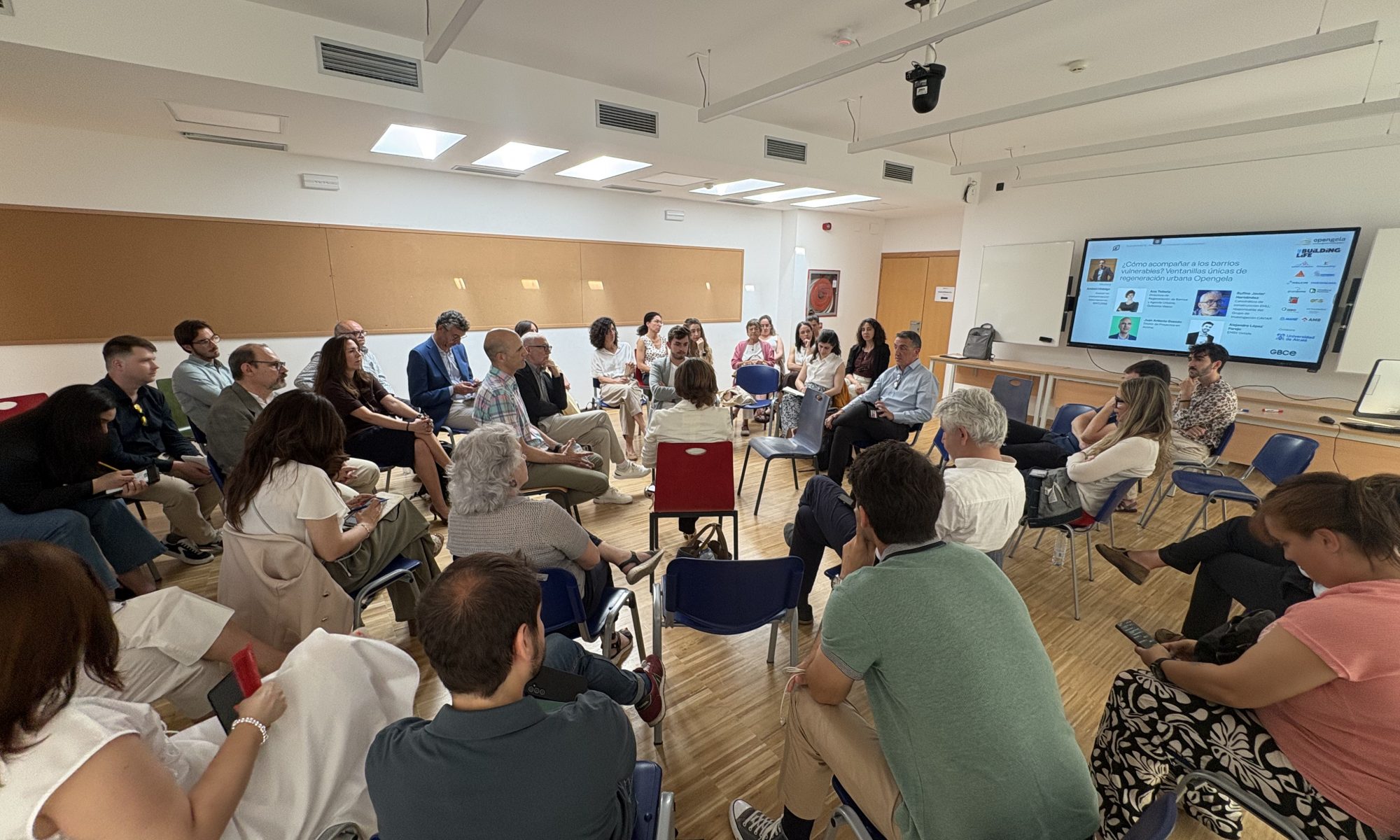
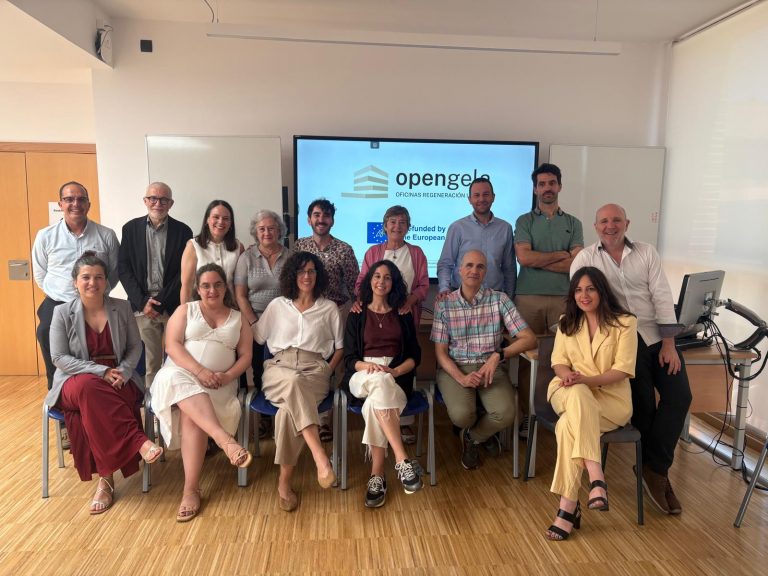
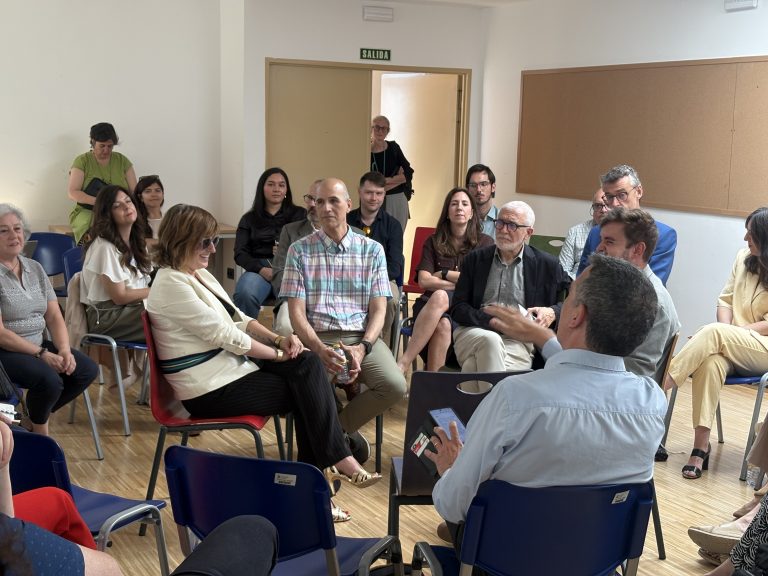
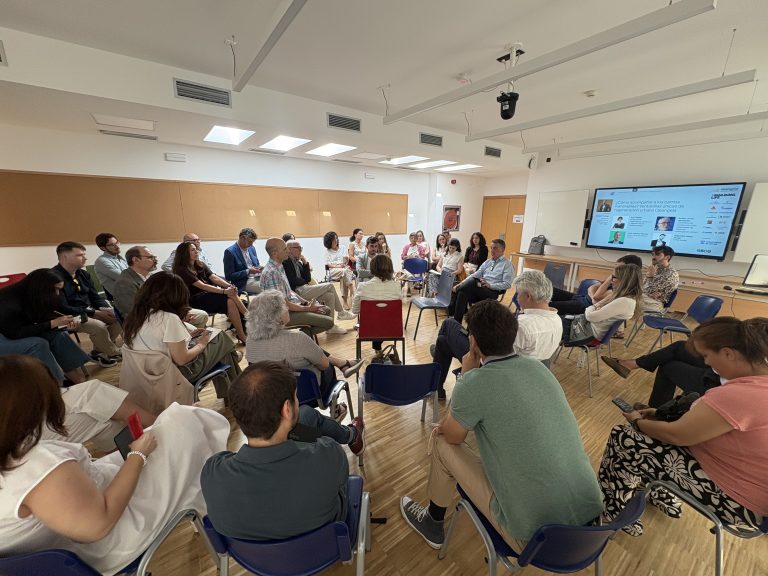
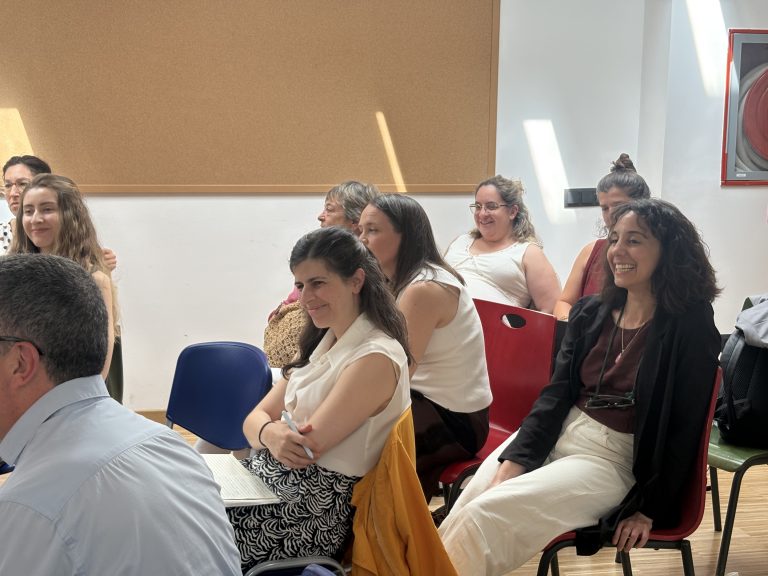
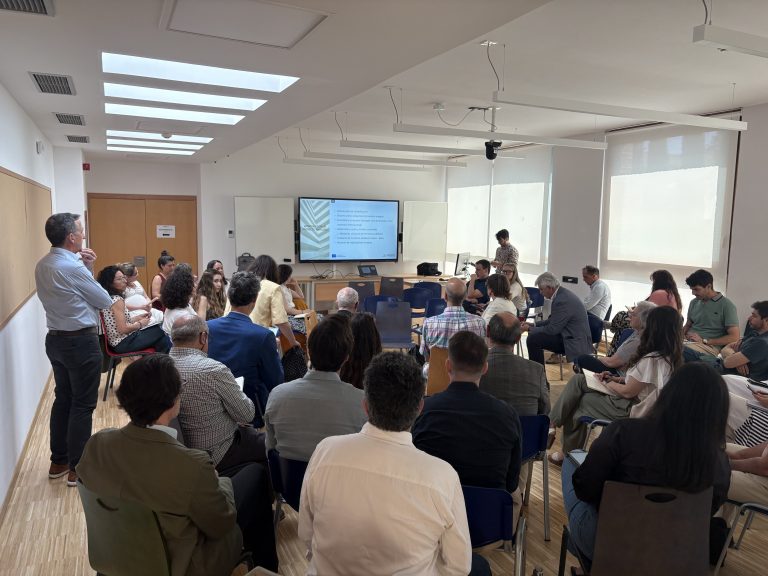
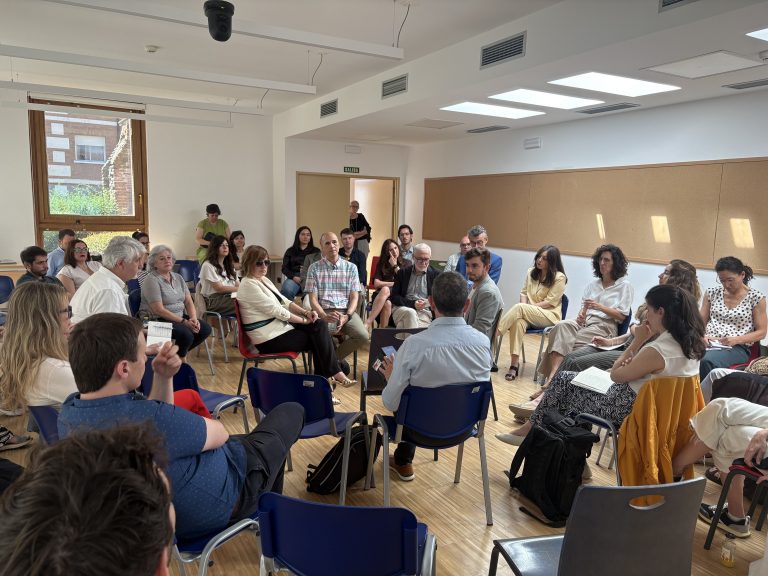
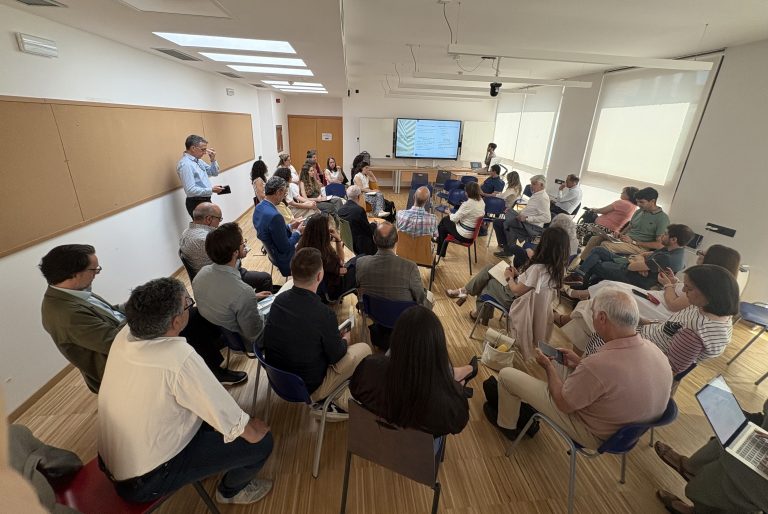
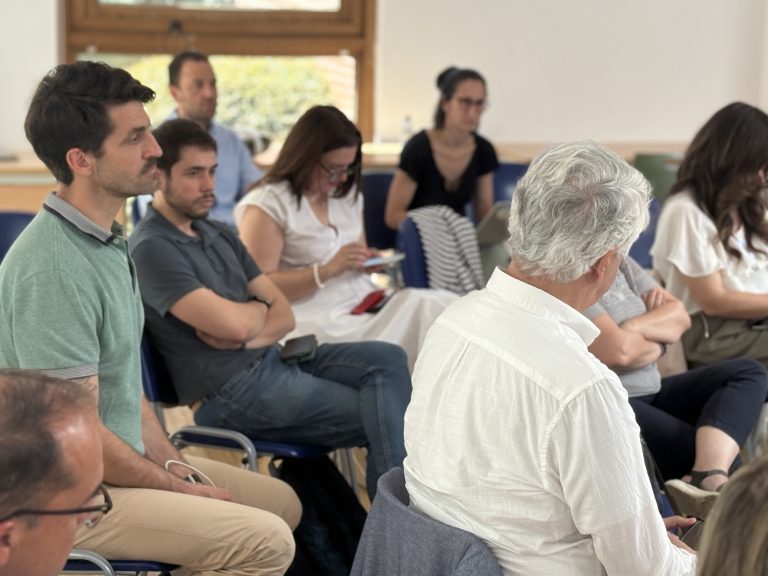
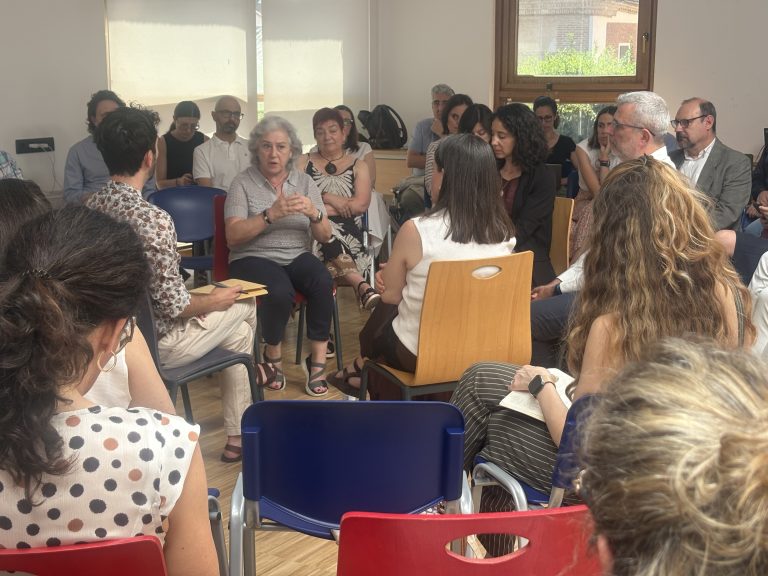
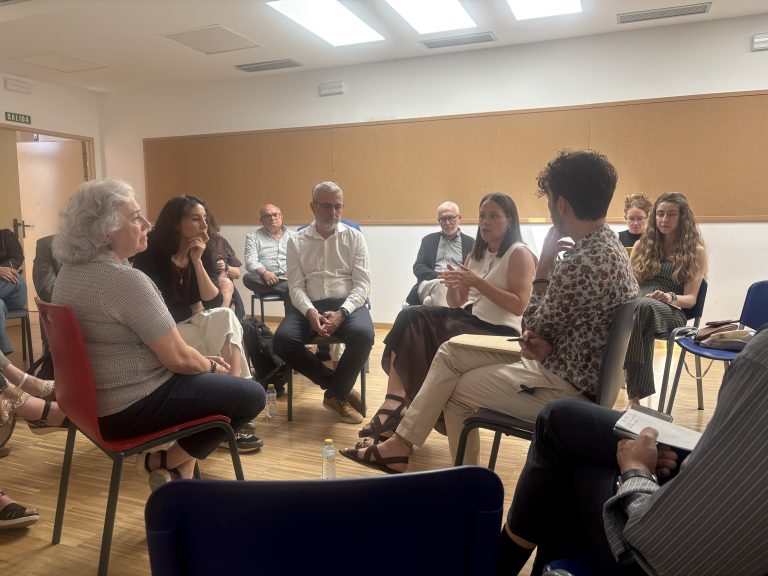
Los resultados y aprendizajes de esta iniciativa han sido presentados por la directora de Regeneración de Barrios y Agenda Urbana del Gobierno Vasco, Ana Telleria, durante el evento final del proyecto, celebrado en el marco del congreso Sostenibilidad XL organizado por Green Building Council España (GBCE) en la Escuela de Arquitectura de la Universidad de Alcalá de Henares.
Resultados por encima de los objetivos previstos
Los datos finales del proyecto reflejan un cumplimiento superior al previsto en todos los indicadores estratégicos definidos al inicio de la iniciativa. La red Opengela ha crecido en estos tres años con la apertura de 21 nuevas oficinas de proximidad, más del doble de las diez inicialmente previstas. Asimismo, las actuaciones desarrolladas desde la red han permitido alcanzar 2.125 viviendas rehabilitadas y beneficiar directamente a 4.888 personas.
Desde el punto de vista económico, el proyecto ha movilizado una inversión directa total de 175,96 millones de euros, muy por encima de los 120 millones contemplados inicialmente.
Los resultados ambientales también ponen de manifiesto el impacto de las actuaciones ejecutadas. Las intervenciones promovidas permiten un ahorro energético anual superior a los 25.480 MWh y una reducción de emisiones de 4.924 toneladas de CO₂ al año.
Asimismo, el proyecto ha generado 38 empleos directos vinculados a las actividades desarrolladas en el marco de la iniciativa. Y se ha trabajado en soluciones basadas en la naturaleza para paliar la isla de calor en los barrios.
TorreUrizar, laboratorio vivo y participación vecinal como clave
El principal espacio de experimentación del proyecto ha sido el ‘living lab’ de TorreUrizar, situado en el barrio bilbaíno de Irala. Este conjunto residencial histórico, construido en 1919 por Ricardo Bastida y compuesto por 264 viviendas distribuidas en 25 portales, ha servido para testar soluciones innovadoras relacionadas con la accesibilidad universal, la eficiencia energética, la renaturalización urbana y la integración de energías renovables. Y siempre con la participación activa por parte del vecindario.
Las actuaciones desarrolladas han incluido mejoras de aislamiento térmico, renovación de cubiertas y carpinterías, instalación fotovoltaica y actuaciones sobre espacios exteriores para reducir el efecto isla de calor y mejorar la calidad ambiental del entorno.
De esta forma, los primeros resultados comparativos obtenidos en TorreUrizar confirman el impacto positivo de la rehabilitación. La monitorización realizada en 26 viviendas muestra que, tras las intervenciones, la temperatura media interior durante el invierno ha aumentado de 18,8 ºC a 20,4 ºC y ha mejorado de forma significativa las condiciones de confort de las personas residentes.
Además, uno de los principales aprendizajes del proyecto ha sido la importancia de situar a las personas en el centro de los procesos de rehabilitación. El modelo Opengela ha demostrado que la comunicación continua, el acompañamiento cercano y la generación de confianza son factores determinantes para impulsar actuaciones complejas en entornos residenciales.
La experiencia desarrollada en TorreUrizar refleja esta dimensión social del proyecto. A lo largo del proceso se ha atendido a 4.789 personas, se han realizado más de 2.000 acciones informativas puerta a puerta y se han celebrado 21 juntas vecinales, aspectos que han reforzado la implicación de la comunidad en la toma de decisiones.
La experiencia acumulada durante en el proyecto refuerza la necesidad de combinar soluciones técnicas con estrategias de participación activa, atención a la vulnerabilidad y coordinación institucional para garantizar el éxito de los procesos de transformación urbana.
Una red consolidada al servicio de los barrios
El proyecto europeo ha impulsado la extensión del modelo Opengela a escala territorial mediante una red de ventanillas únicas que ofrecen asesoramiento técnico, económico, administrativo y jurídico, acompañando a las comunidades de propietarios desde la primera consulta hasta la finalización de las obras.
Estas oficinas facilitan además la coordinación entre administraciones públicas, profesionales y agentes sociales, simplificando procesos complejos y favoreciendo la toma de decisiones por parte de las comunidades vecinales.
El modelo se basa en una combinación de gobernanza multinivel, equipos multidisciplinares y atención personalizada, con especial atención a los barrios vulnerables y a las personas que encuentran mayores dificultades para abordar procesos de rehabilitación.
Un modelo con vocación europea
Las conclusiones del proyecto apuntan a que las oficinas de proximidad o ventanillas únicas pueden desempeñar un papel decisivo para acelerar la rehabilitación del parque residencial europeo y contribuir al cumplimiento de los objetivos climáticos y energéticos de la Unión Europea.
Entre las principales lecciones aprendidas destacan la importancia de la gobernanza multinivel, la coordinación institucional, la existencia de equipos multidisciplinares, la atención a las situaciones de vulnerabilidad y la participación de la ciudadanía durante todo el proceso.
La experiencia desarrollada en Euskadi demuestra además que no existe una solución única para todos los territorios. La eficacia de los programas de rehabilitación depende de su capacidad para adaptarse a las características sociales, urbanas y organizativas de cada barrio, manteniendo al mismo tiempo marcos estables de colaboración y apoyo técnico.
Por ello, entre las recomendaciones surgidas del proyecto figuran el refuerzo de las redes de ventanillas únicas, el desarrollo de marcos normativos que faciliten su implantación y la consolidación de mecanismos de financiación que permitan extender este tipo de modelos a escala nacional y europea.
La participación en el congreso Sostenibilidad XL ha permitido compartir estos resultados con representantes institucionales, profesionales y entidades de toda España y Europa, contribuyendo a difundir un modelo que ya se considera una referencia internacional en materia de regeneración urbana integral.

OPENGELA NEWSLETTER
Recibe todas las noticias relacionadas con Opengela.