A total of 25 neighbourhood offices have been set up in 28 vulnerable neighbourhoods across the Basque Country, mobilising direct investment of 175.96 million euros and benefiting 4,888 people. These are the key figures summarising the Opengela model’s performance over the last three years.
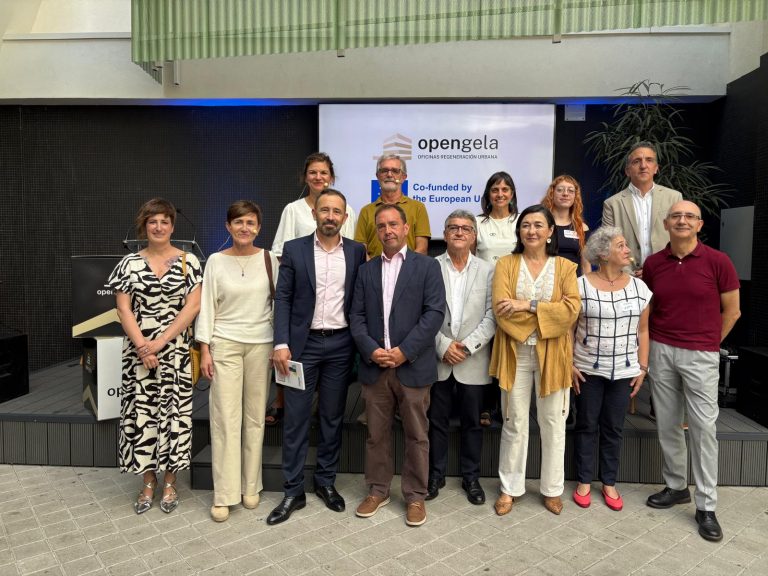
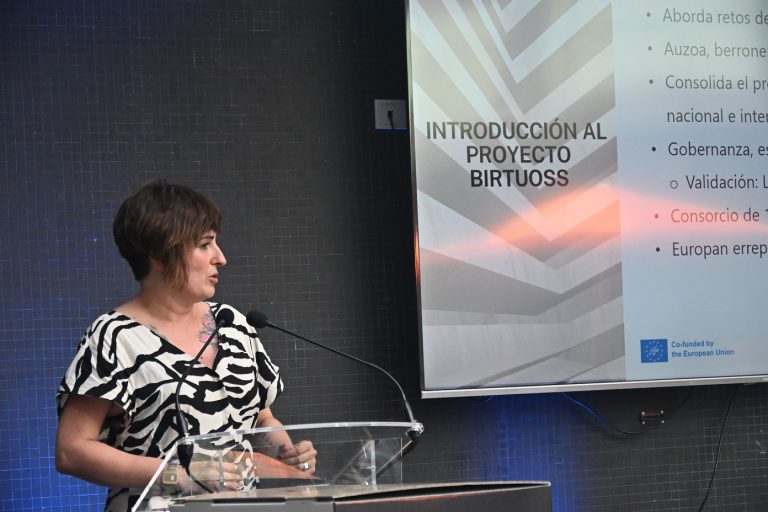
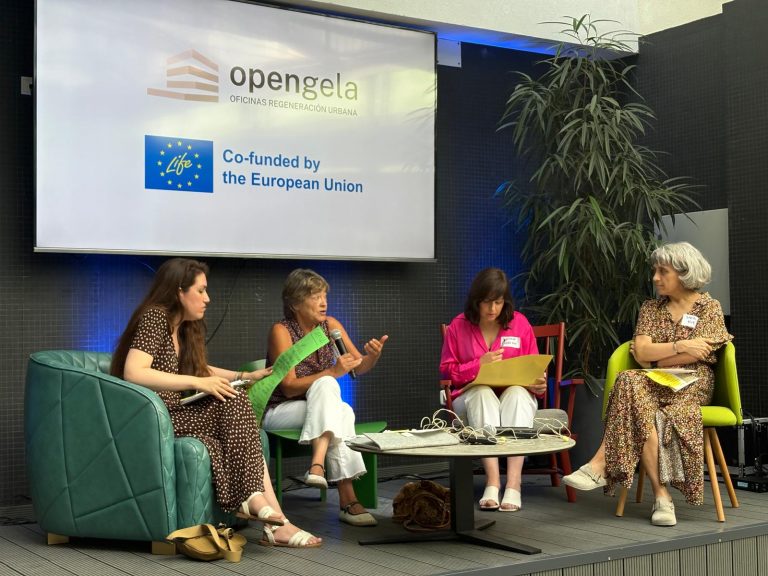
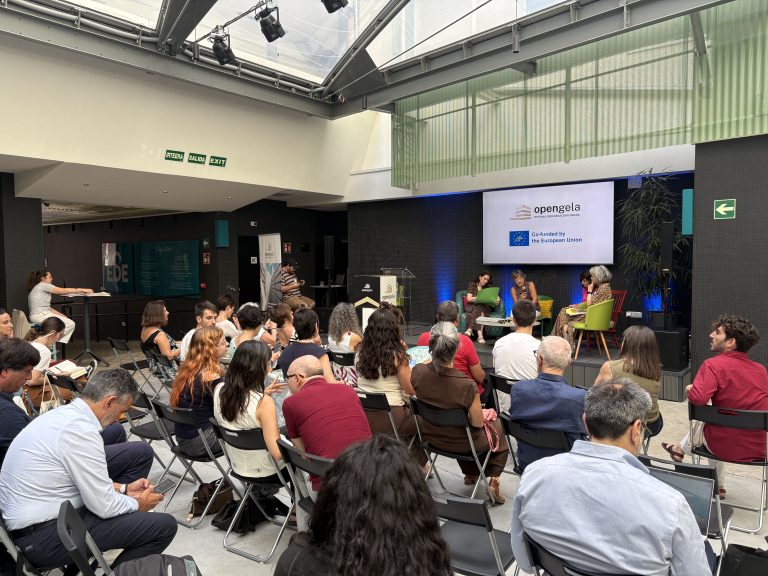
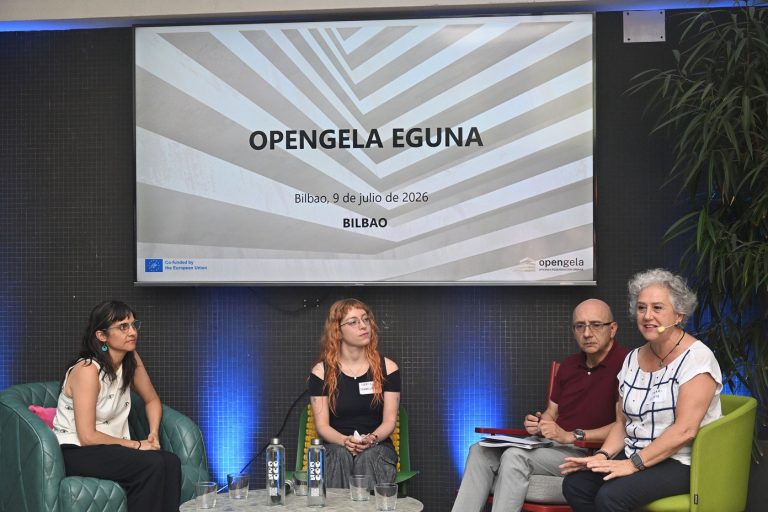
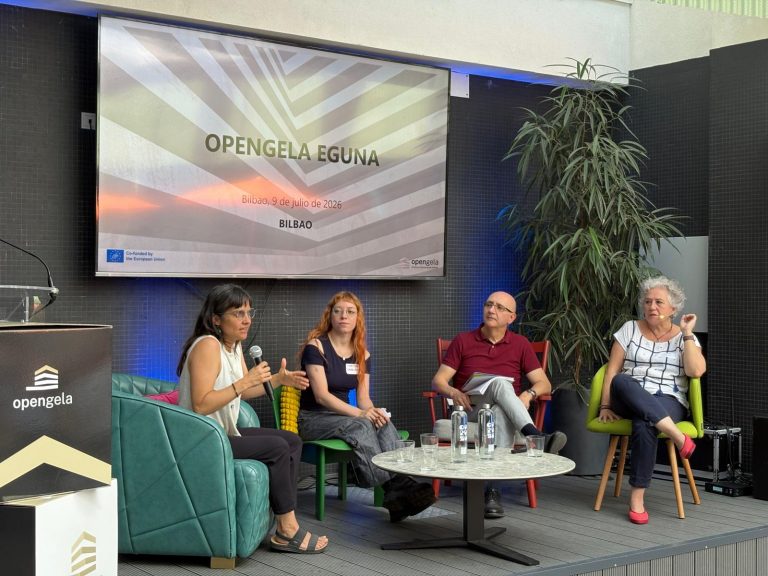
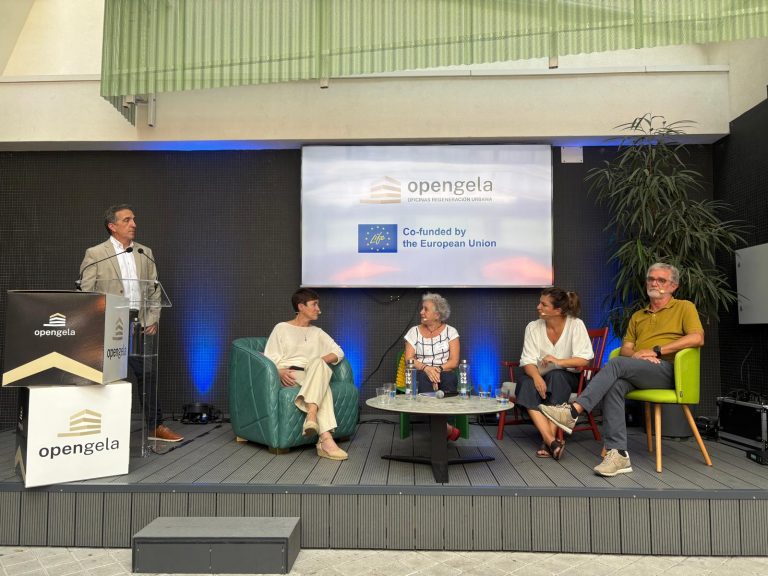
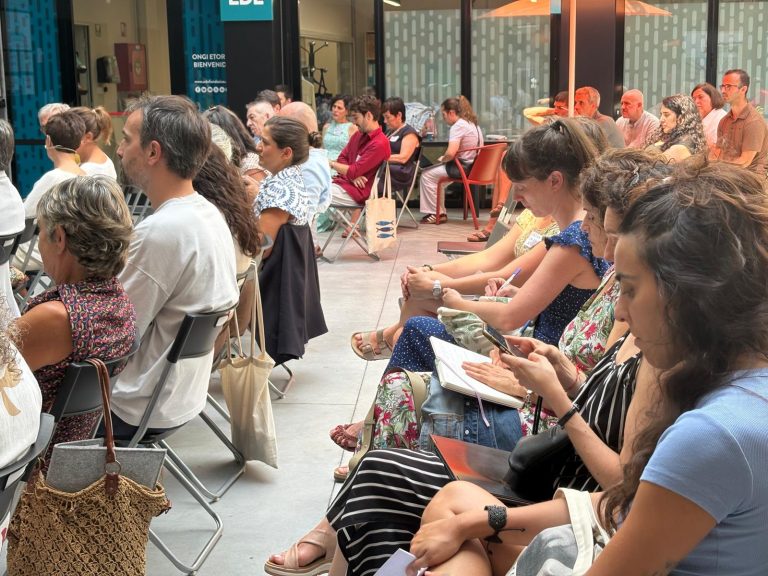
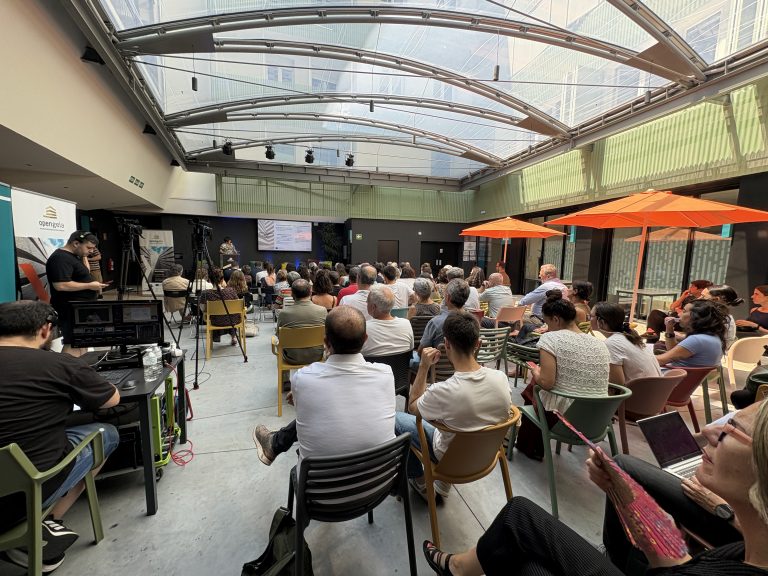
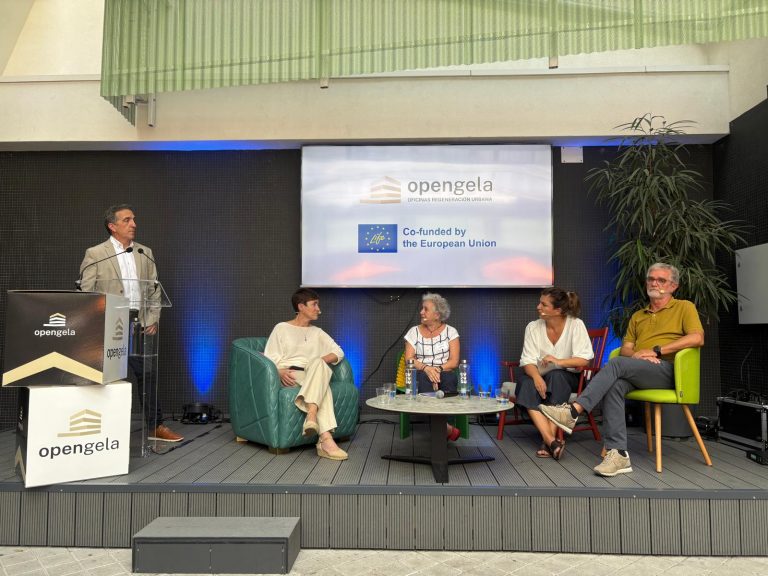
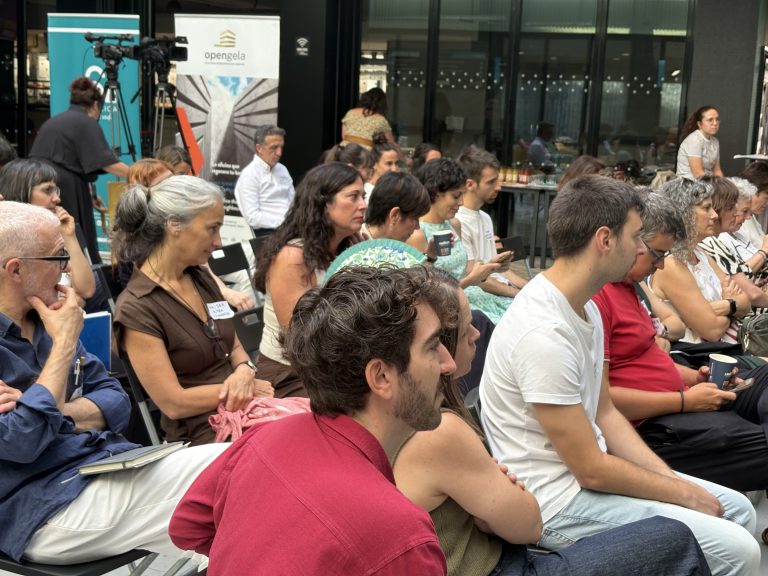
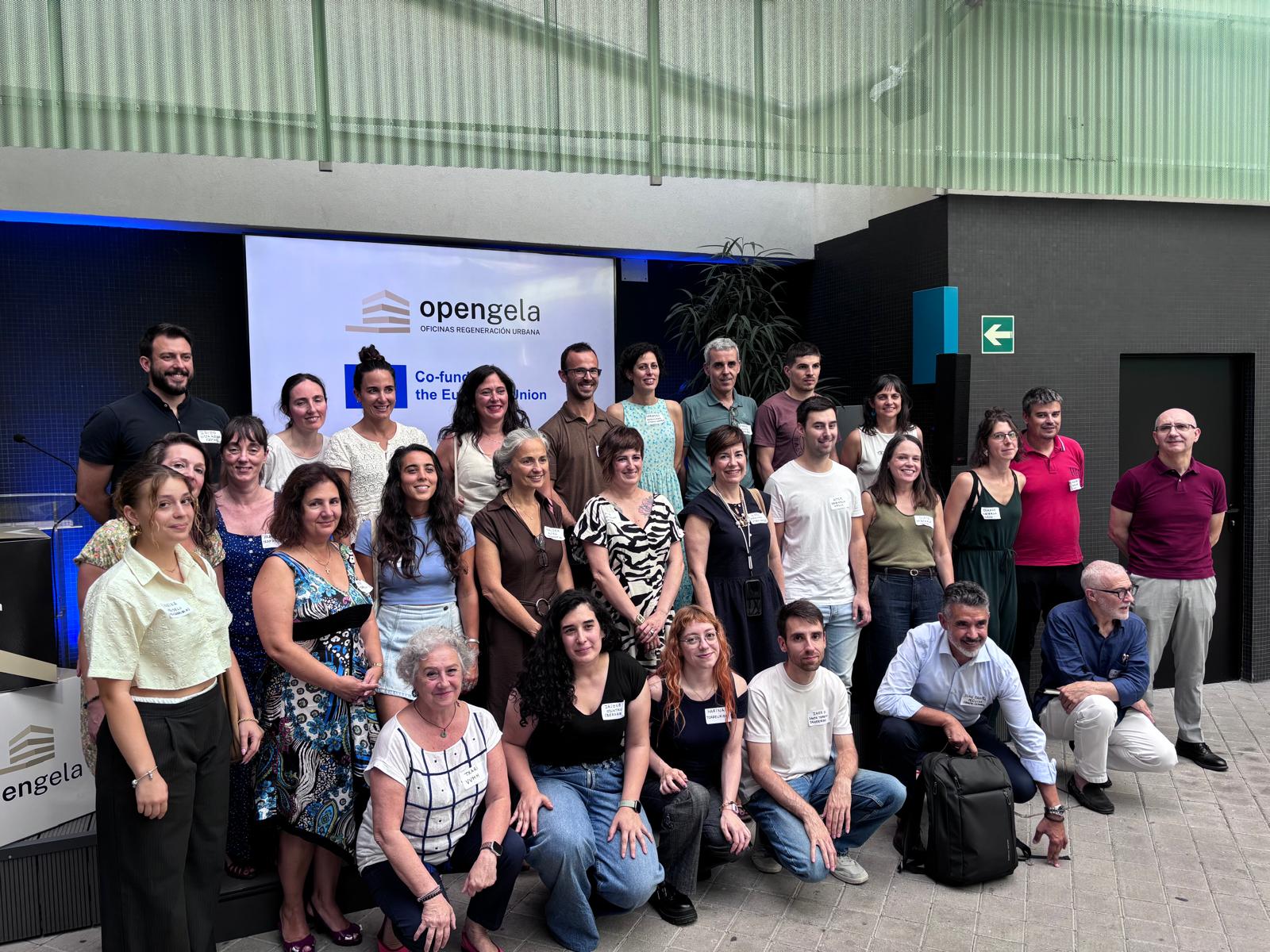
This programme, led by the Basque Government’s Department of Housing and Urban Agenda, has become well-established and is ready to be replicated in other European regions. To achieve this, it has drawn on the BIRTUOSS project, funded by the European Commission through the LIFE programme and developed by a consortium comprising 14 public-private organisations. Today, it organised one of its final events: Opengela Eguna, which brought together for the first time those responsible for managing the Basque neighbourhood offices, also known as ‘opengelas’.
This network of offices supports the public throughout the processes of comprehensive urban regeneration and renewal in the Basque Country. In three years, it has experienced exponential growth: from the two pilot schemes in the neighbourhoods of Txonta (Eibar) and Otxarkoaga (Bilbao), it has expanded to 25, with the potential to grow further in the future.
The project has helped to consolidate the model, which was first launched in 2019 as part of a previous European project called HIROSS4all (funded by the Horizon 2020 programme). It has now been recognised as an innovative initiative providing comprehensive support to local communities.
The results and lessons learnt from this initiative were shared today at an event held at the Guruzu centre in Bilbao, the headquarters of the EDE Fundazioa, one of the participants in the European consortium.
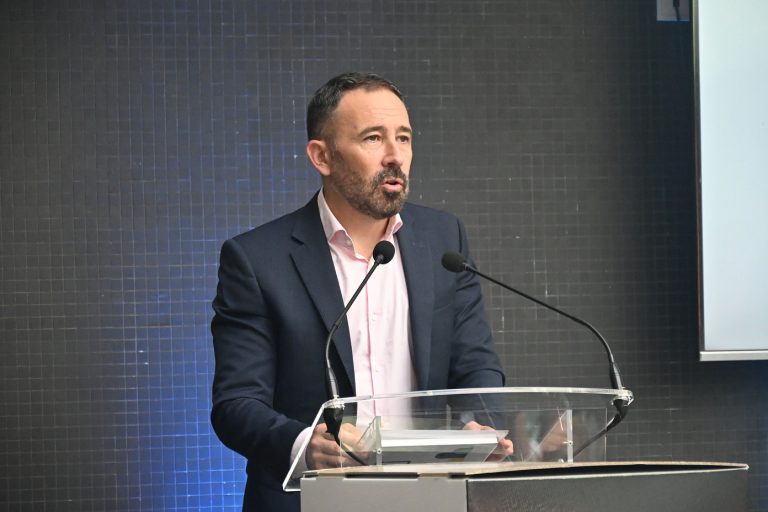
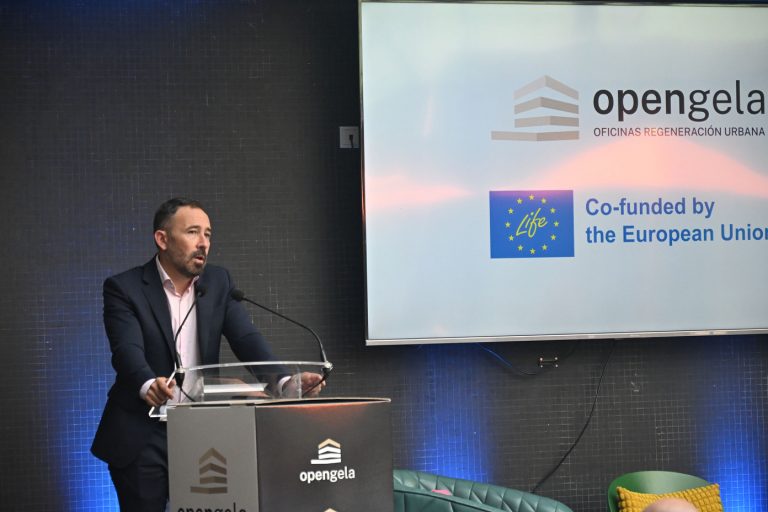
The Basque Government’s Minister for Housing and Urban Development, Denis Itxaso, has emphasised that the Basque ‘opengelas’ model “has shown that community involvement is the best tool for transforming our neighbourhoods. “Today we can say that this model has enabled the refurbishment of more than 2,800 homes and supported urban regeneration processes in 24 neighbourhoods across 21 municipalities in the Basque Country, improving the quality of life for thousands of people.”
Itxaso also took the opportunity to announce that the Basque Government has begun the process of issuing two new grant schemes, totalling 800,000 euros, to extend the Opengela model and strengthen urban regeneration in the Basque Country. The aim, she explained, “is to promote Local Urban Agendas so that local councils have their own strategic planning tools, tailored to their specific circumstances, enabling them to identify their urban challenges, define priorities and draw up medium- and long-term action plans”.
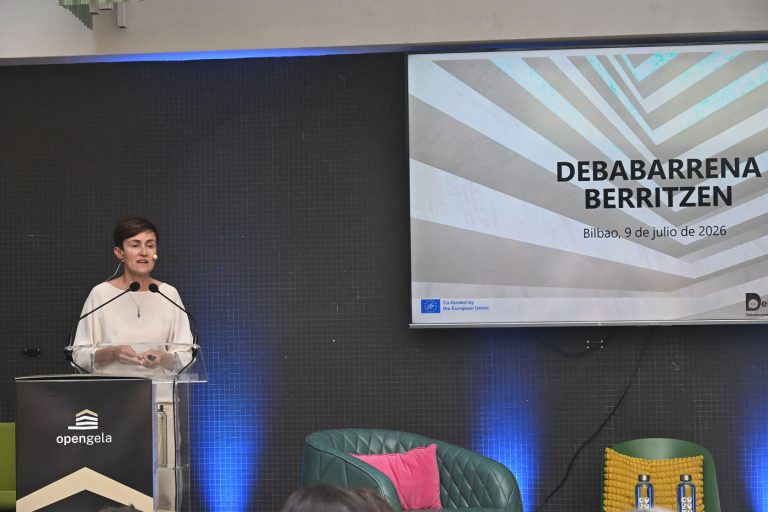
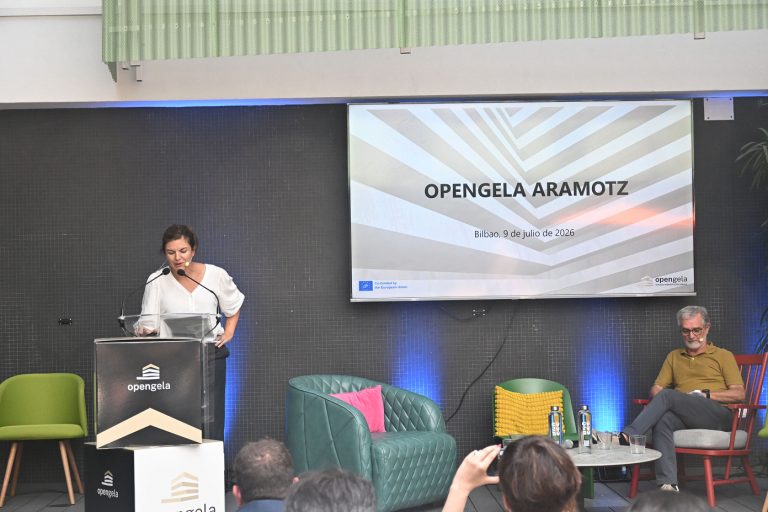
During the event, several case studies were also presented, such as those involving Bilbao Municipal Housing, which manages the ‘opengelas’ in Otxarkoaga, TorreUrizar and Párroco Unceta (in the Santutxu neighbourhood); as well as the work of Debegesa, the Debabarrena development company, which has set up offices in places such as Txonta (Eibar), Olasogain (Elgoibar) and Ezozibidea (Soraluze), and the experience of the Aramotz neighbourhood in Durango, where the impetus provided by the local community has been exemplary.
High take-up rate
The final project results show that performance exceeded expectations across all the strategic indicators defined at the start of the initiative. The key figures were announced during Opengela Eguna, revealing that the Opengela network has more than doubled in size over the past three years, now covering 28 neighbourhoods.
Furthermore, the initiatives carried out by the network have resulted in the refurbishment of 2,125 dwellings and directly benefited 4,888 people. The response from local residents has been positive, with a participation rate of 84 per cent. In other words, more than 8 out of every 10 target homes have been refurbished.
From an economic perspective, the project has mobilised a total direct investment of 175.96 million euros, well above the 120 million initially planned. Of this, 155.68 million comes from public funds and 20.30 million from private sources, bearing in mind that the residents live in vulnerable neighbourhoods.
The environmental results also highlight the impact of the measures implemented. The interventions carried out have led to annual energy savings of over 25,480 MWh and a reduction in emissions of 4,924 tonnes of CO₂ per year.
Furthermore, the project has created 38 direct jobs linked to the activities carried out as part of the initiative. Work has also been undertaken on nature-based solutions to mitigate the urban heat island effect in these neighbourhoods.
Pilot project in TorreUrizar, with community involvement
The project’s main pilot site has been the TorreUrizar ‘living lab’, located in the Irala neighbourhood of Bilbao. This historic residential complex, built in 1919 by Ricardo Bastida and comprising 264 dwellings distributed across 25 blocks, has served as a testing ground for innovative solutions relating to universal accessibility, energy efficiency, urban renaturalisation and the integration of renewable energy. All this has been carried out with the active participation of the local community.
The works carried out have included improvements to thermal insulation, the refurbishment of roofs and joinery, the installation of a photovoltaic system, and improvements to outdoor spaces to reduce the heat island effect and enhance the environmental quality of the surroundings.
Thus, the initial comparative results obtained in TorreUrizar confirm the positive impact of the refurbishment. Monitoring carried out in 26 dwellings shows that, following the works, the average indoor temperature during winter has risen from 18.8 ºC to 20.4 ºC, significantly improving residents’ comfort levels.
Furthermore, one of the key lessons learnt from the project has been the importance of placing people at the centre of refurbishment processes. The Opengela model has demonstrated that ongoing communication, close support and the building of trust are key factors in driving forward complex initiatives in residential settings.