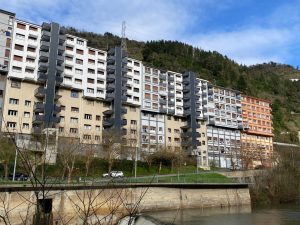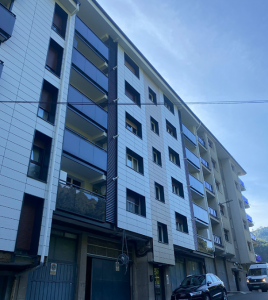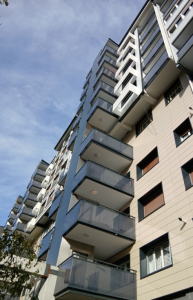
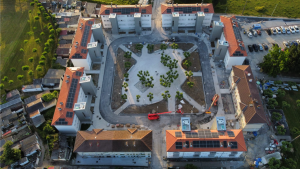
In Goikolarra, renovation works are being carried out on:
12 house numbers / 72 homes
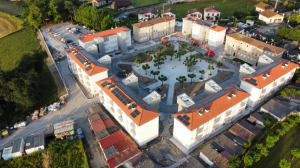
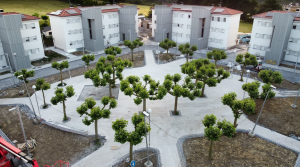
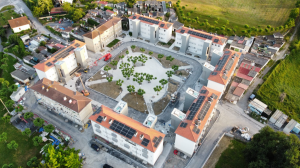
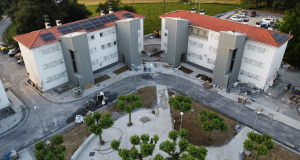
In Goikolarra, the energy efficiency of the building envelope and universal accessibility have been improved. What’s more, the central square has been redeveloped with criteria of renaturalisation, accessibility and resilience.
Before:
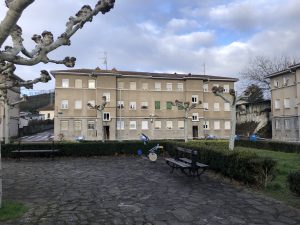
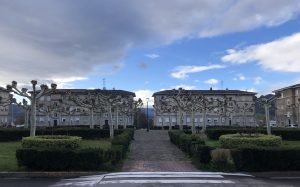
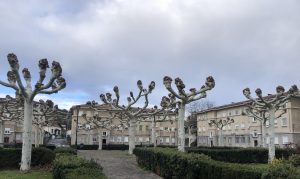
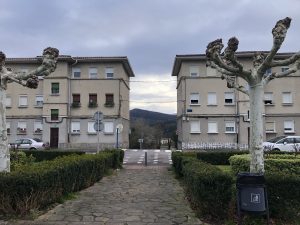
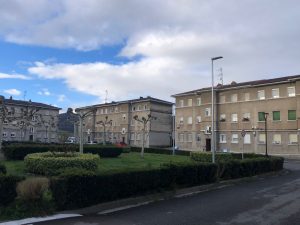
After:
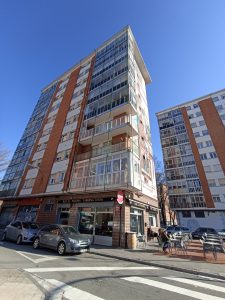
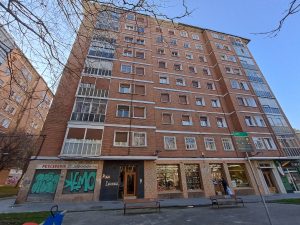
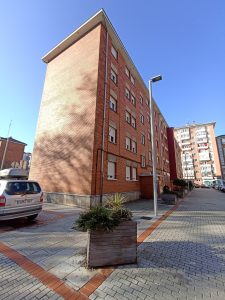
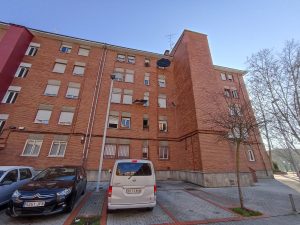
In Zaramaga, renovation works are being carried out on:
22 house numbers / 332 homes
In Zaramaga, the energy efficiency of the building envelope and universal accessibility have been improved. In addition, the neighbourhood has been provided with two facilities: a socio-cultural centre and a day centre. In the public space, redevelopment works have been carried out in the neighbourhood, including a new cycle lane, improvements to green infrastructure and charging points for electric vehicles.
Before:
After:
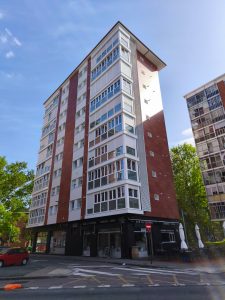
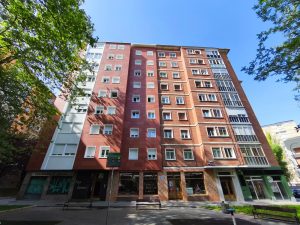
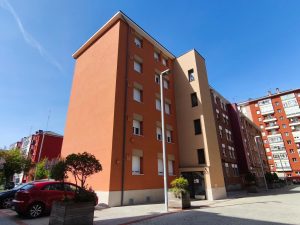
In Peñucas, renovation works are being carried out on:
15 house numbers / 150 homes
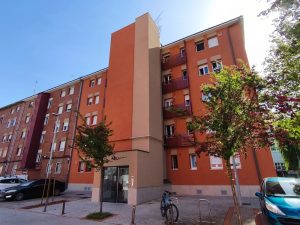
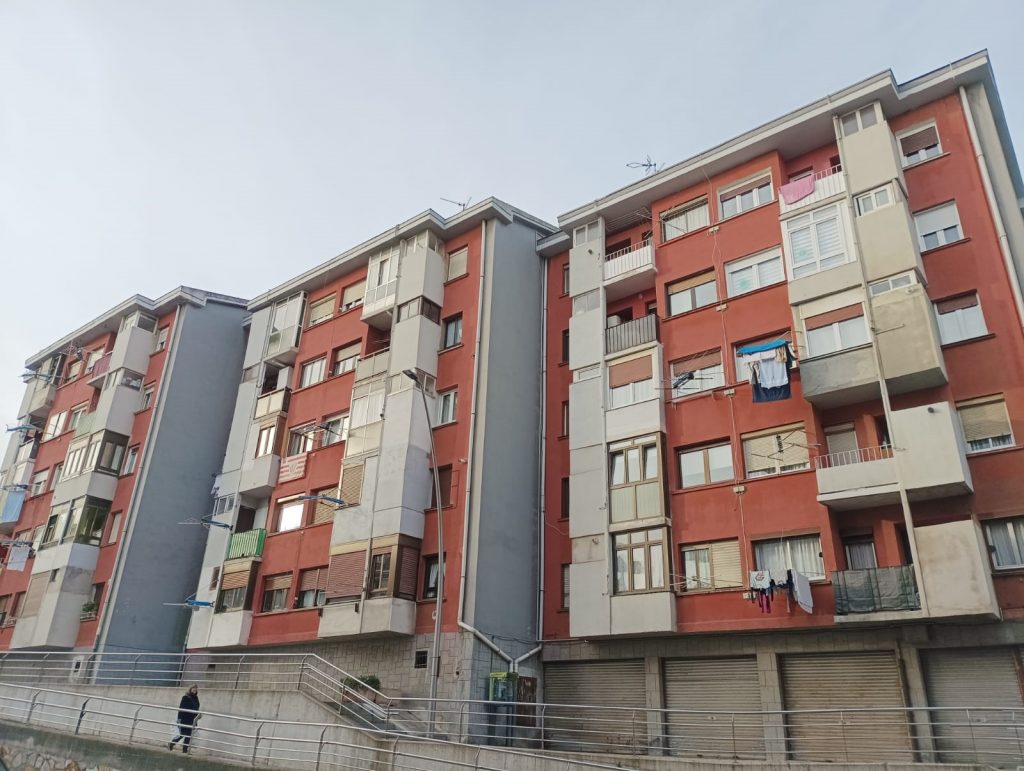
In Peñucas, the energy efficiency of the building envelope and universal accessibility have been improved. In the urban spaces inside the buildings, a redevelopment project has been carried out to reduce internal traffic by removing it as much as possible and pedestrianising it with universal accessibility criteria. This has allowed the creation of a new children’s play area and other shared-use spaces for the community to enjoy.
In Txibitxiaga and Iparragirre, renovation works are being carried out on:
7 house numbers / 76 homes
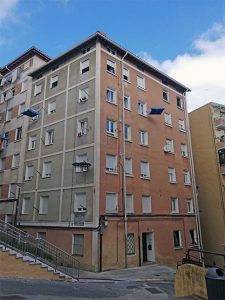
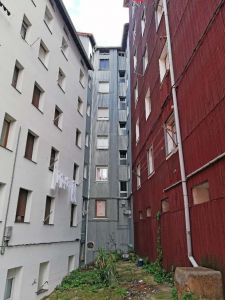
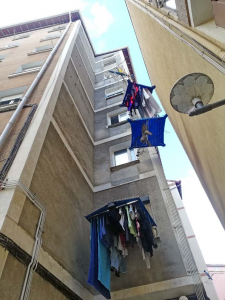
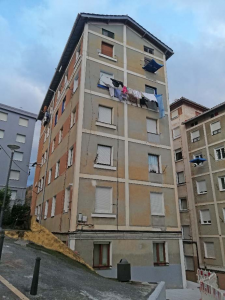
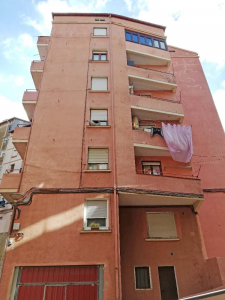
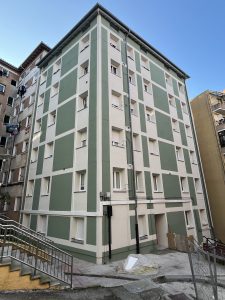
In Txibitxiaga and Iparragirre, the energy efficiency of the building envelope and universal accessibility have been improved. Furthermore, the neighbourhood’s infrastructure has been upgraded with the aim of resolving accessibility issues; new road surfacing has been laid, along with new accessible routes, improvements to street furniture, and the installation of a public lift and a new car park with electric vehicle charging points.
Before:
After:
In Otxarkoaga, renovation works are being carried out on:
17 house numbers / 240 homes
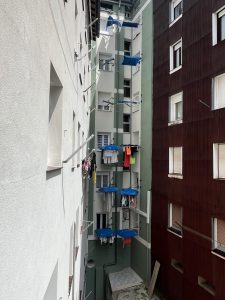
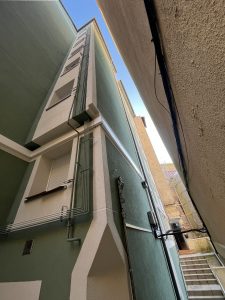
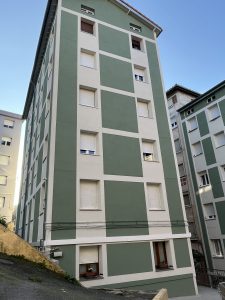
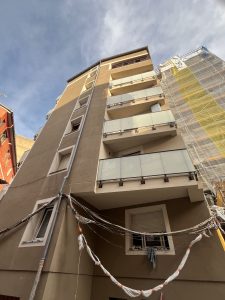
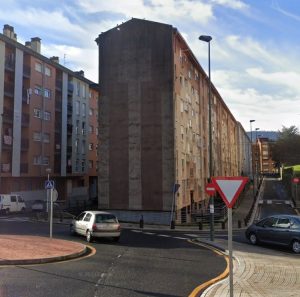
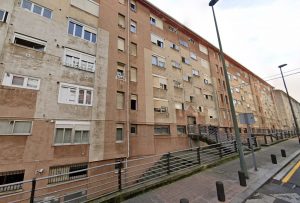
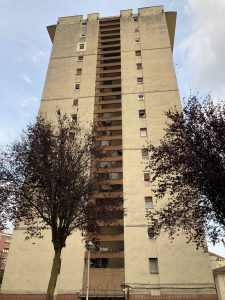
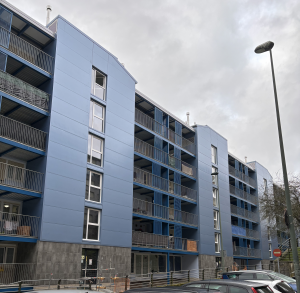
In Otxarkoaga, the energy efficiency of the building envelope and universal accessibility have been improved. A comprehensive refurbishment of the buildings’ thermal envelope has been carried out, involving the installation of thermal insulation and the replacement of the old window and door frames. Furthermore, terraces have been added to two of the blocks, which have improved the liveability of the dwellings. In the public spaces, the necessary redevelopment works have been carried out to ensure universal accessibility to the new building entrances.
Before:
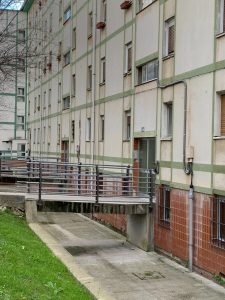
After:
In Párroco Unceta, renovation works are being carried out on:
13 house numbers / 135 homes
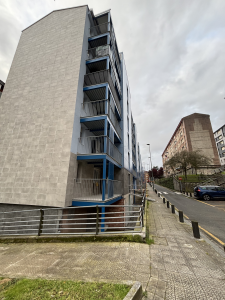
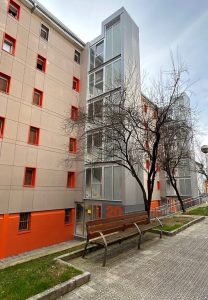
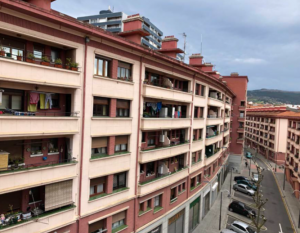
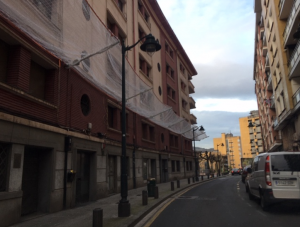
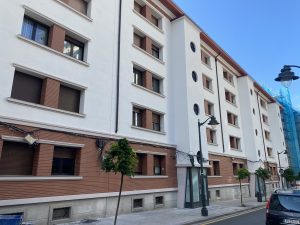
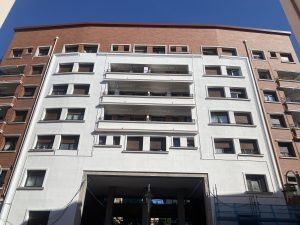
In Párroco Unceta, the energy efficiency of the building envelope and universal accessibility have been improved. Work has been carried out to comprehensively upgrade the building’s thermal envelope by installing an external thermal insulation composite system (ETICS) using rock wool, recreating all the mouldings and characteristic features of the original façade, replacing the old joinery, and installing insulation in the roof and on the ground floor. Furthermore, the existing staircases have been demolished and new sections built, whilst the pavement leading to the entrances has been partially encroached upon to allow for the installation of lifts in all 13 entrances.
Before:

After:
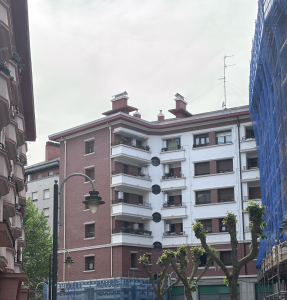
In the Torreurizar housing complex, renovation works are being carried out on:
25 house numbers / 264 homes
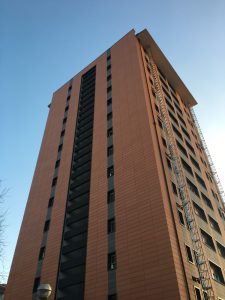
The Torreurizar housing complex, based in the Irala neighbourhood and built by the municipal architect Ricardo Bastida, was a pioneer in Bilbao in the field of social housing and is over 100 years old. This Opengela also serves as a pilot project for the European BIRTUOSS project in the period 2023-26.
Before:
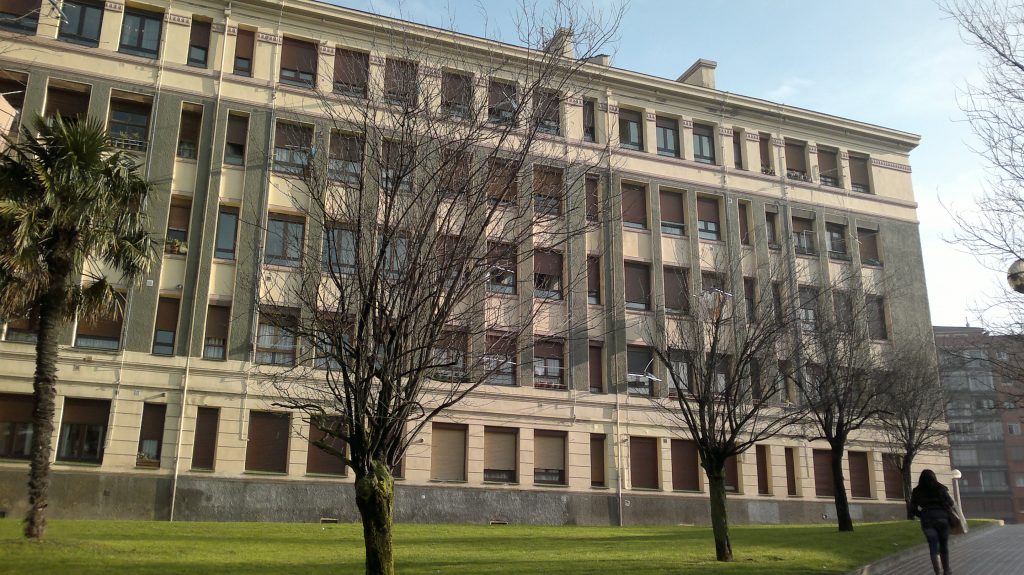
After:
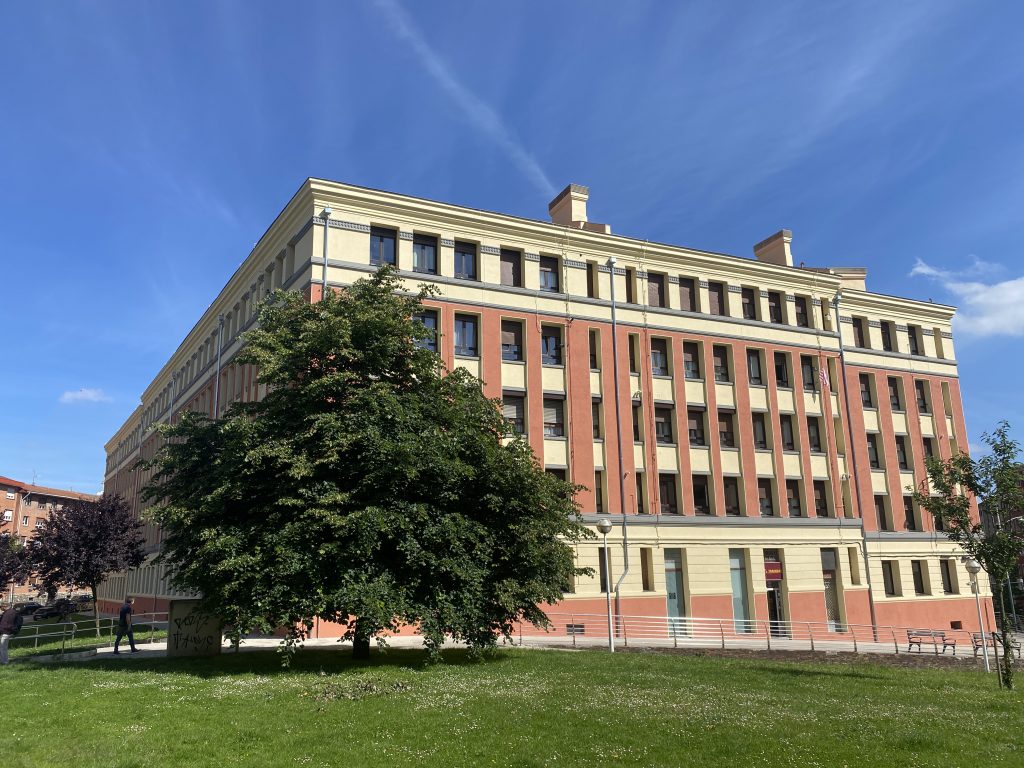
In the Uretamendi Betolaza neighbourhood, there is a local office that attends the entire neighbourhood, where there are 201 buildings and 1,207 homes.
For two years, it will provide residents with advice and guidance on refurbishment-related grants.
Before:
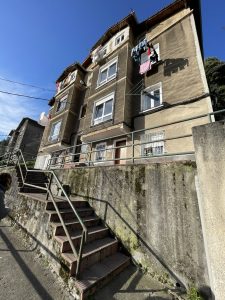
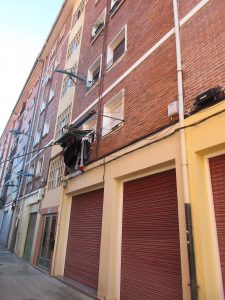
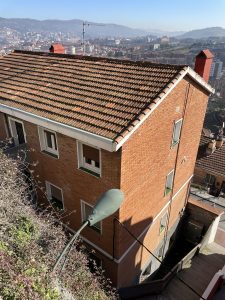
After:
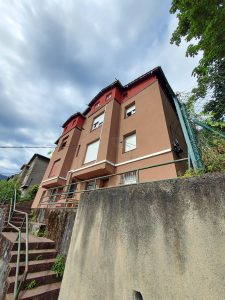
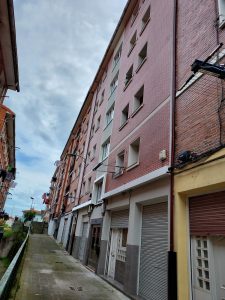
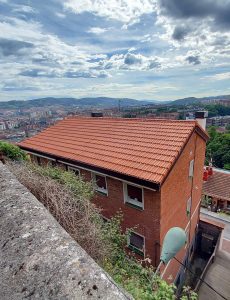
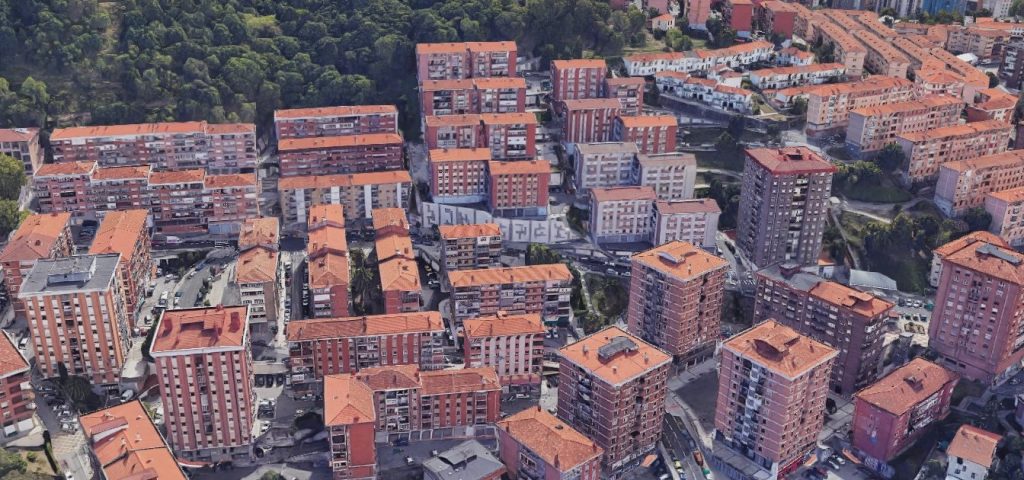
Particular attention is being paid to 134 buildings housing 1,739 dwellings located in the Zurbaran and Arabella neighbourhoods of Bilbao’s District II (Uribarri). These are the buildings most in need of support, although the renovation programme covers a total of 719 buildings (12,094 dwellings) across the entire district.
Key priorities include ensuring homes meet accessibility standards and improving the energy efficiency of the buildings. Given the challenging terrain of these neighbourhoods, which makes access to the rest of the city difficult, the neighbourhood office will provide renovation support services in a way that is accessible and convenient for local residents.
In Aramotz, renovation works were carried out on:
16 house numbers / 96 homes
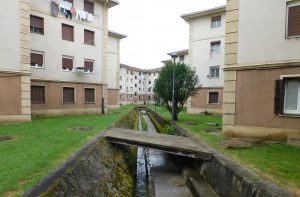
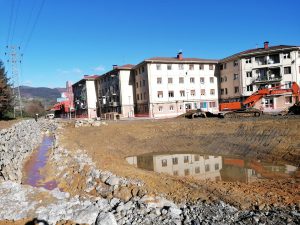
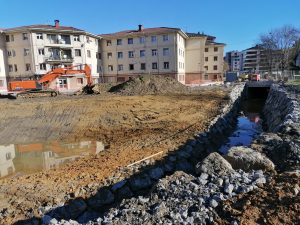
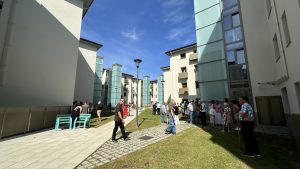
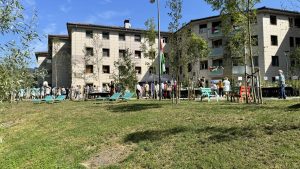
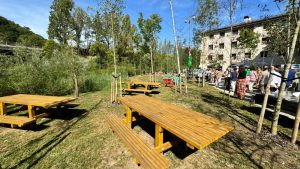
In Aramotz, the energy efficiency of the building envelope and universal accessibility have been improved. Furthermore, in the surrounding area, the Larrinagatxu stream has been channelled using a combination of measures to consolidate the riparian vegetation and control water flow, alongside the design of a public green space intended to foster a sense of community within the neighbourhood. Sustainable Urban Drainage Systems (SUDS) and stormwater management systems have also been incorporated to control flooding.
Before:
After:
In Orduña, renovation works were carried out in two different neighbourhoods:
10 house numbers / 130 homes
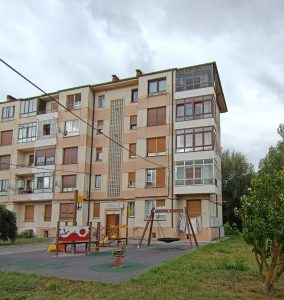
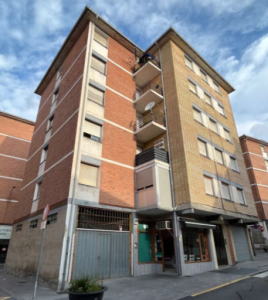
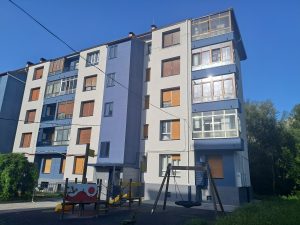
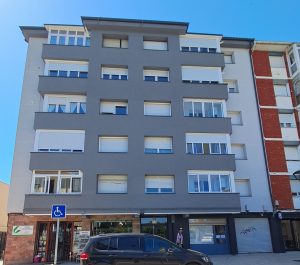
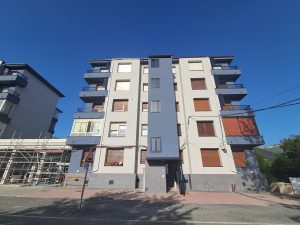
In Landatas and Mª Dolores Madaria, the energy efficiency of the building envelope and universal accessibility have been improved in eight of the blocks of buildings that did not have a lift. In addition, minor urban development works have been carried out to improve public spaces in the two neighbourhoods, including the undergrounding of overhead cables, improvements to street lighting and accessibility, the reorganisation of specific parking areas, and the installation of new street furniture.
Before:
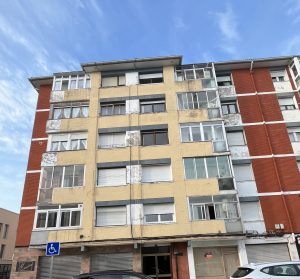
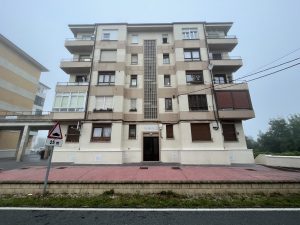
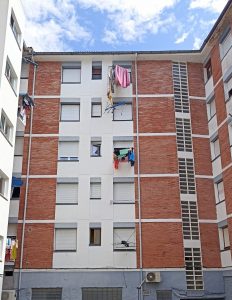
After:
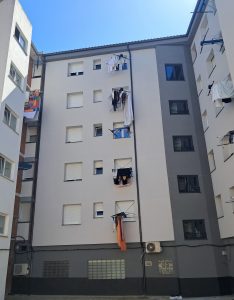
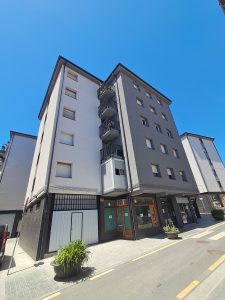
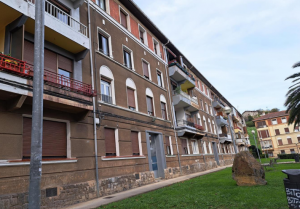
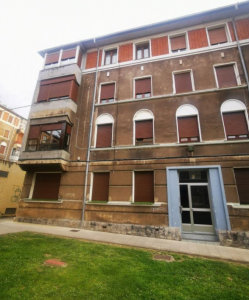
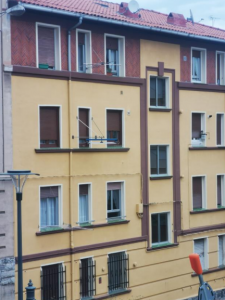
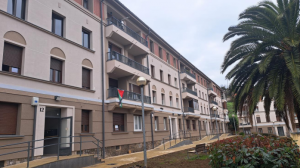
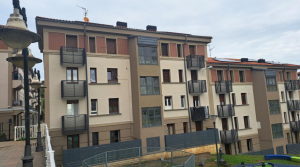
In Santurtzi, renovation works were carried out on:
13 house numbers / 104 homes
In Aurora Vildósola, the energy efficiency of the building envelope and universal accessibility have been improved. All elevators have been installed inside the buildings, whilst the stairwells are located outside. The façade has been clad with thermal insulation, faithfully recreating all the mouldings and characteristic features of the original façade. Furthermore, the surrounding area has been adapted with ramps to ensure that all homes are accessible.
Before:
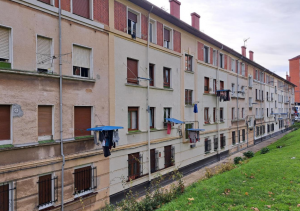
After:
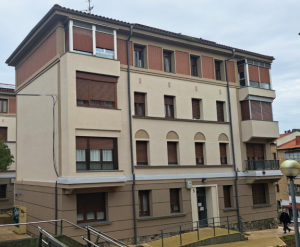
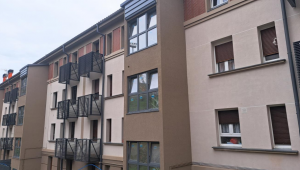
In the Vista Alegre housing complex, renovation works are being carried out on:
11 house numbers / 93 homes
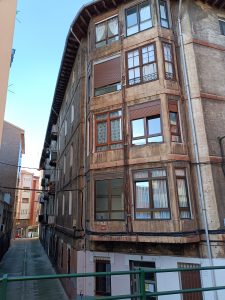
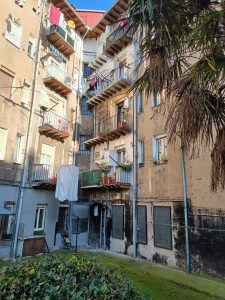
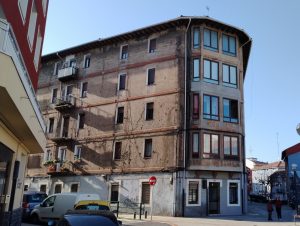
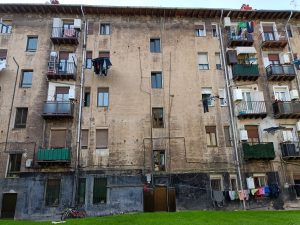
The Vista Alegre housing complex was designed and built under the direction of the architect Santos Zunzunegui in 1914. It consists of 93 homes with a worker’s housing programme, distributed in 11 double-fronted doorways. It is a building listed by Gogoan Sestao Elkartea, an association for historical memory, as it is the only one that maintains the marks of shrapnel impacts after being bombed during the Spanish Civil War.
Before:
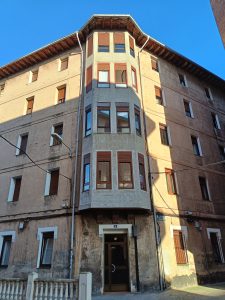
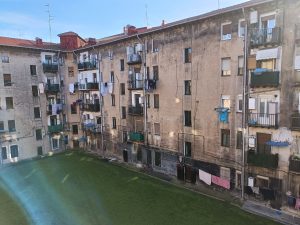
After:
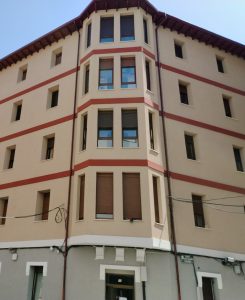
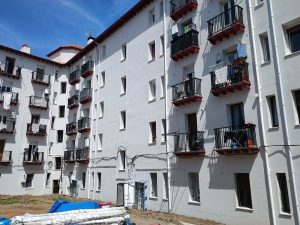
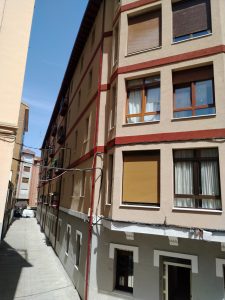
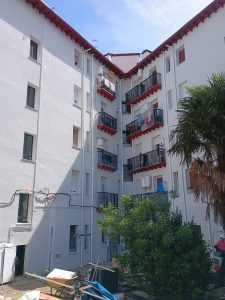
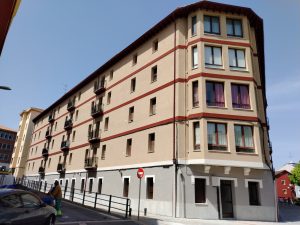
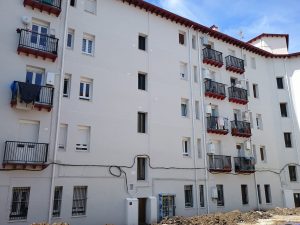
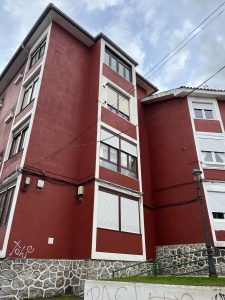
In Trapagaran, renovation works are being carried out on:
Collective housing: 6 house numbers, a total of 40 homes
Single-family housing: 15 homes
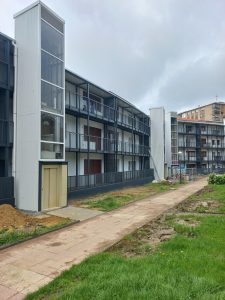
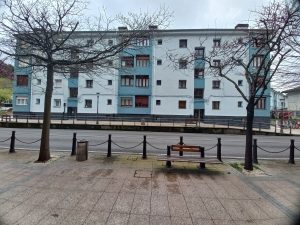
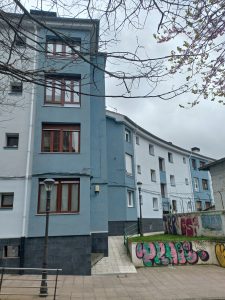
In Trapagaran, the energy efficiency of the building envelope and universal accessibility have been improved, and in 15 single-family homes, the energy efficiency of the building envelope and the building services have been enhanced through the installation of air-source heat pumps and photovoltaic systems.
Works were carried out in the urban area to improve accessibility, through the construction of footbridges and lifts that facilitate vertical mobility by overcoming existing differences in level.
Before:
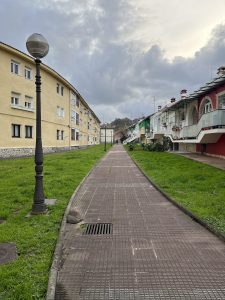
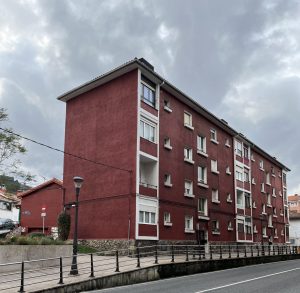
After:
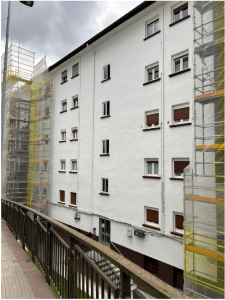
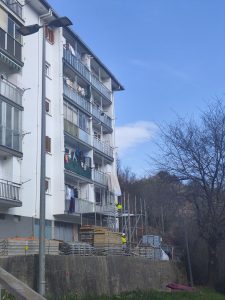
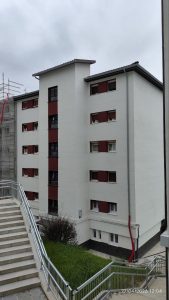
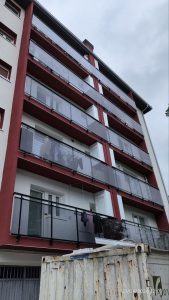
In Arrasate/Mondragón renovation works are being carried out on:
9 house numbers / 91 homes
In Santa Teresa-Doneztebe, the energy efficiency of the building envelope and universal accessibility have been improved. As for redevelopment, the focus is on improving public spaces to guarantee universal accessibility, which includes the construction of three public lifts in the area.
Before:
After:
The Hijos de Gabilondo building will be turned into a facility to offer different types of services to the neighbourhood.
The Txonta Opengela will be used to inform the public about the project.
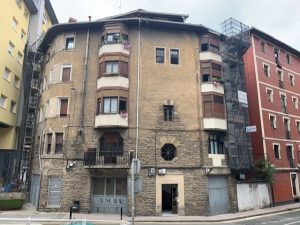
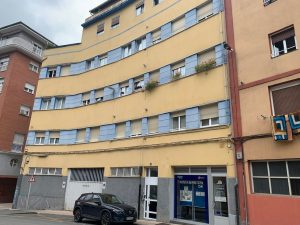
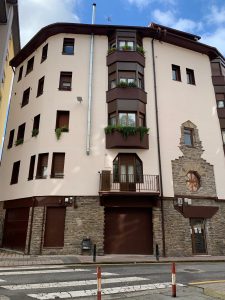
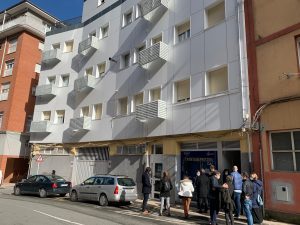
In Txonta, renovation works were carried out on:
14 house numbers / 171 homes
Txonta, together with the Otxarkoaga neighbourhood (Bilbao), was the first in the Basque Country to implement the Opengela model of neighbourhood offices. It has achieved important advances in energy efficiency and accessibility, prioritising the participation of the people living in the neighbourhood.
Before:
After:
In Olasogain, renovation works were carried out on:
7 house numbers / 56 homes
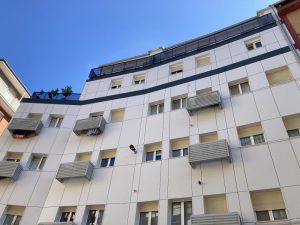
In Olasogain, a comprehensive refurbishment programme has been undertaken to improve accessibility and energy efficiency. To this end, lifts have been installed in all the buildings involved; energy efficiency has been improved by insulating the entire building envelope and enhancing the living conditions, with all the dwellings now featuring a terrace 1.5 metres deep. In addition, work has been carried out on the urban environment to ensure its accessibility, alongside the installation of the lifts, and overhead utility infrastructure has been buried underground.
Before:
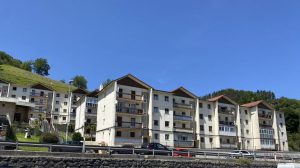
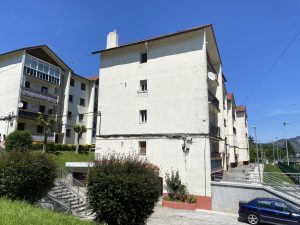
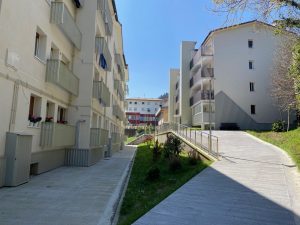
After:
 In Beraun, renovation works were carried out on:
2 house numbers / 63 homes
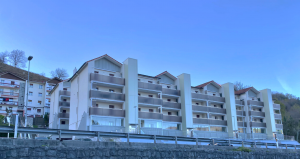
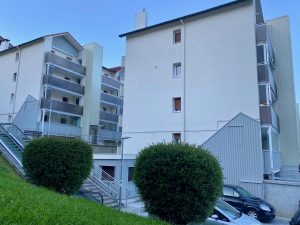
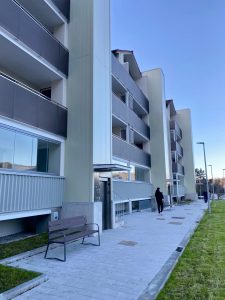
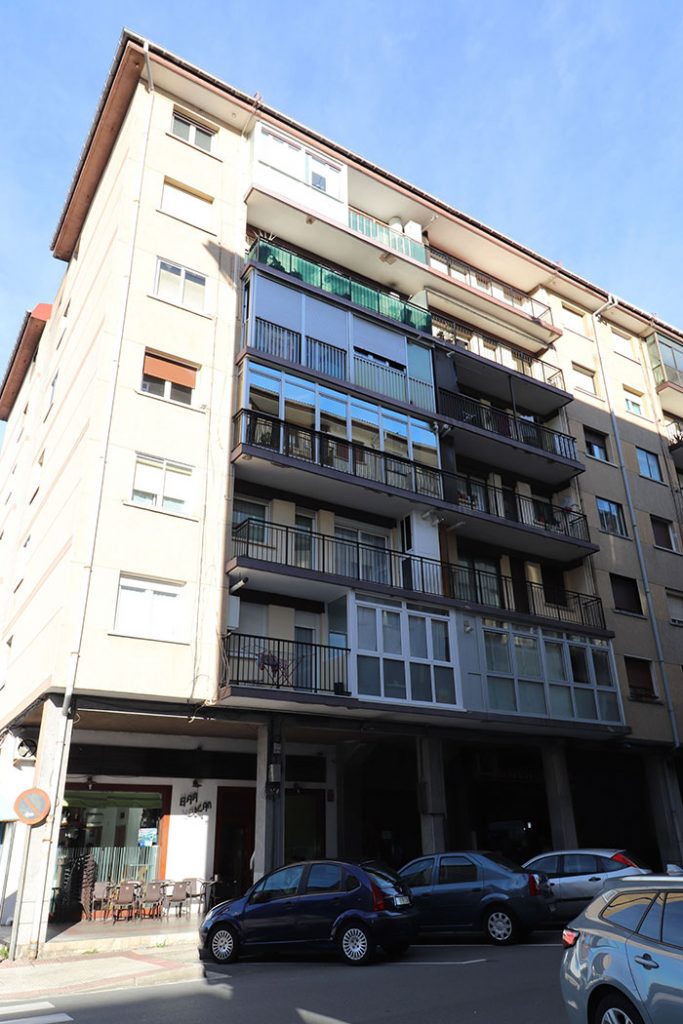
In Beraun, the energy efficiency of the building envelope has been improved through the installation of ventilated façades and the implementation of universal accessibility measures. Furthermore, various works have been carried out in the neighbourhood’s urban space, such as the construction of car parks, the redevelopment of a square and several streets in line with criteria for the renaturalisation of spaces and the improvement of their accessibility, and the installation of a public lift. The neighbourhood has also been provided with social facilities.
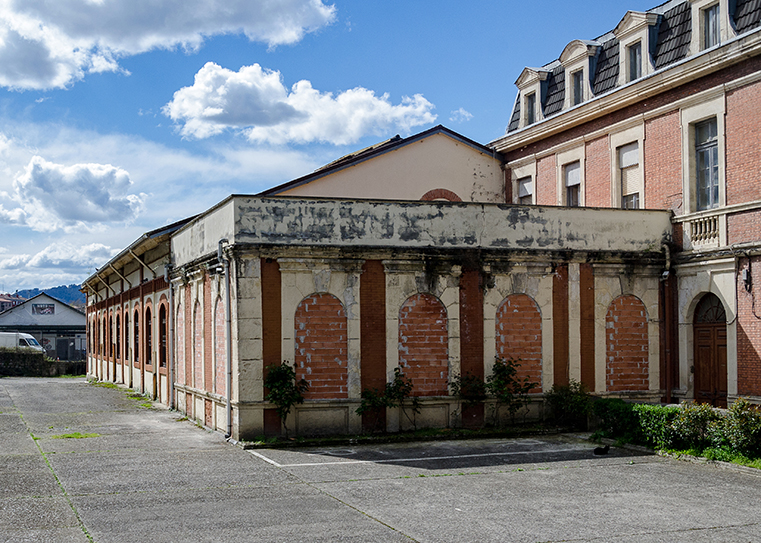 The Opengela project in Irun is a special case, and is made up of two parts:
On the one hand, the Old Customs House of Irun will be the centre of the strategy to generate the Innovative Urban District (“iHub”) of ‘Via Irun‘. It will be designed under the principles of innovation, economic and social cohesion, as well as digital and ecological transformation. It will be the public facility that physically enables spaces of confluence between citizens, public institutions, knowledge and technological based agents, and private industries.
On the other hand, a neighbourhood office will be created as the headquarters of the employment project, an R+D+I space (Commercial Innovation Pole) for Irun’s urban commerce. It will be located in municipally-owned premises in the commercial area of Pío XII – Serapio Mujika.
In Basaundi Bailara, renovation works were carried out on:
12 house numbers / 119 homes
In Basaundi Bailara, the energy efficiency of the building envelope has been improved, together with universal accessibility. Given the configuration of the buildings, the lifts have been installed externally, opposite the building entrances and stairwells, providing direct access to the balconies of the upper-floor dwellings.
Before:
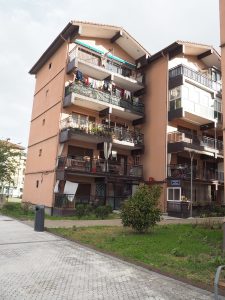
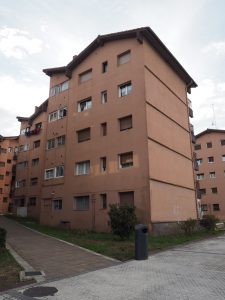
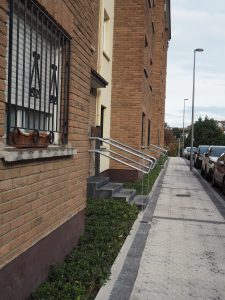
After:
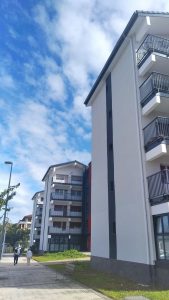
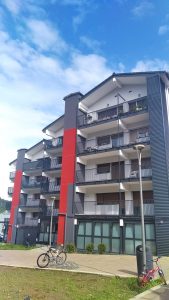
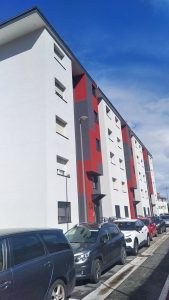
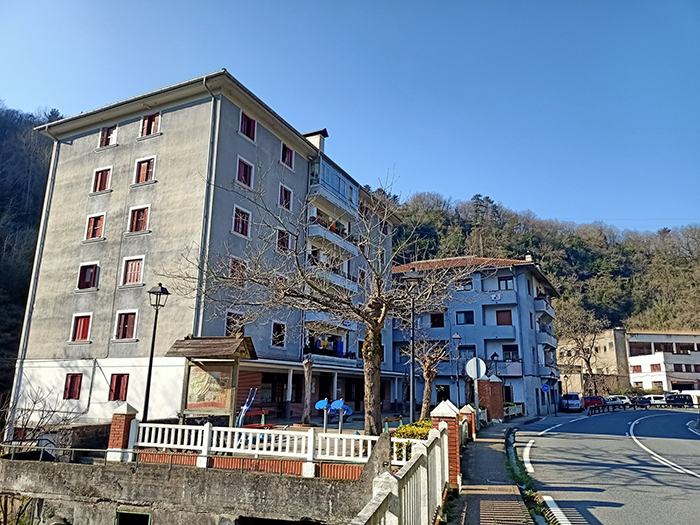
In Txarama, renovation works were carried out on:
3 house numbers / 40 homes
In Txarama, the energy efficiency of the building envelope has been improved and the necessary actions have been taken to ensure its structural stability. The redevelopment project has focused on improving transport links and accessibility throughout the neighbourhood, as well as its safety. Two strategic projects have been carried out to improve road safety and pedestrian-cyclist access in the neighbourhood, guaranteeing safe access to the cultural centre. In addition, improvements have been made to the street lighting to adapt it to the new layout of the road network, as well as the redevelopment of the square, the main meeting place in the neighbourhood.
In Mendelu, renovation works are being carried out on:
70 house numbers
In Mendelu, the intervention covers various residential areas within the neighbourhood, combining different building types and distinct local contexts. The project covers areas such as Mugondo, Planetas, Caseríos, Sauraenea, San Isidro and Eskapatxulo, enabling a comprehensive approach to the local housing stock. The local office, situated within the neighbourhood itself, facilitates close and ongoing support for residents, working alongside local communities on the processes of renovation, improving accessibility and enhancing the energy efficiency of homes.
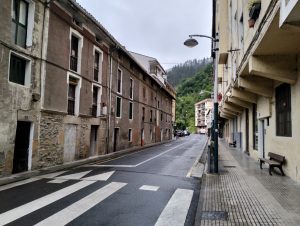
In Osintxu, renovation works are being carried out on:
12 house numbers / 102 homes
Osintxu has undergone a significant social and demographic transformation in recent decades. Historically, it was a rural area with a strong tradition of farming and livestock rearing; the arrival of industrialisation in the early 20th century, with the establishment of factories in the neighbourhood, spurred its urban growth.
The housing stock is quite diverse. There are new buildings, which are located outside the run-down area; there are also old buildings in poor condition, which should ideally be replaced; and, finally, the majority of the buildings are in need of extensive renovation.
The neighbourhood office is located in the former Txuringo bar-restaurant. The space is located in Osintxu Square and is well-suited to housing the office and facilitating various initiatives with local residents.
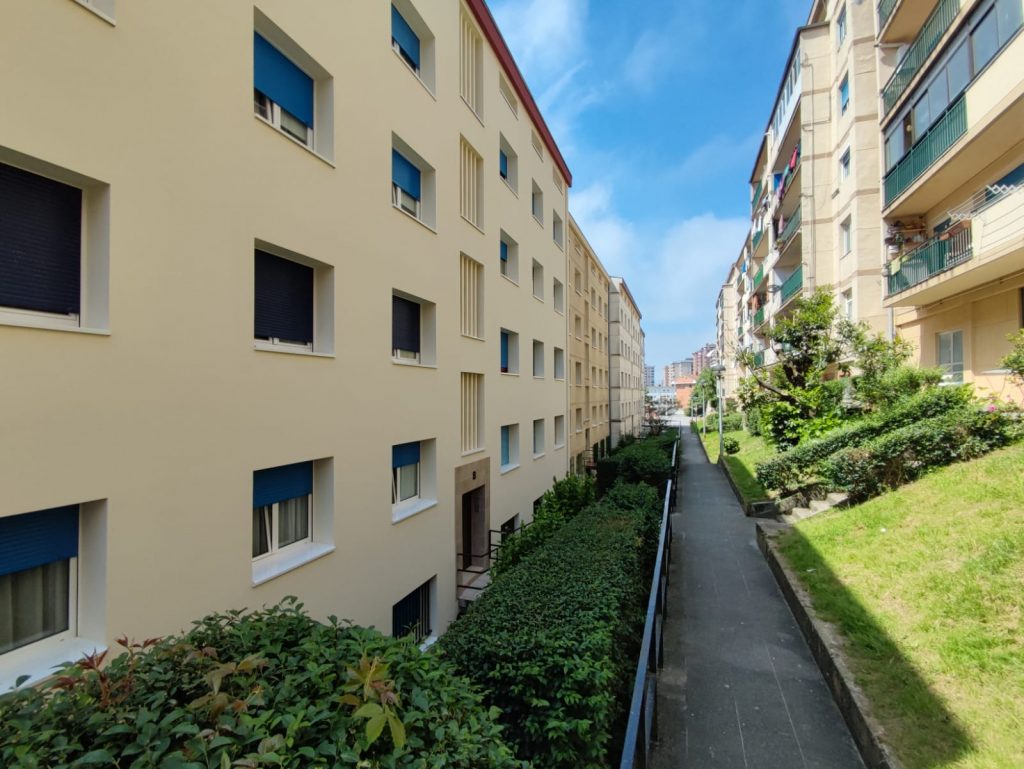
In Trintxerpe-Andonaegi, renovation works were carried out on:
19 house numbers / 190 homes
In Txintxerpe-Andonaegi, the energy efficiency of the building envelope and universal accessibility have been improved. In 160 homes and 16 building entrances, the energy efficiency of the building envelope has been upgraded and accessibility has been improved by installing lifts inside the buildings and carrying out works on the entranceways to ensure universal accessibility from the street.
Work has been carried out in 30 homes to ensure universal accessibility. The aim of the redevelopment works in the area has been to prioritise pedestrian spaces, both for circulation and for recreation, with accessibility criteria and a gender perspective. To this end, new trees have been introduced and the new entrances have been integrated into the development, as well as new recreation areas facing south and overlooking the views.
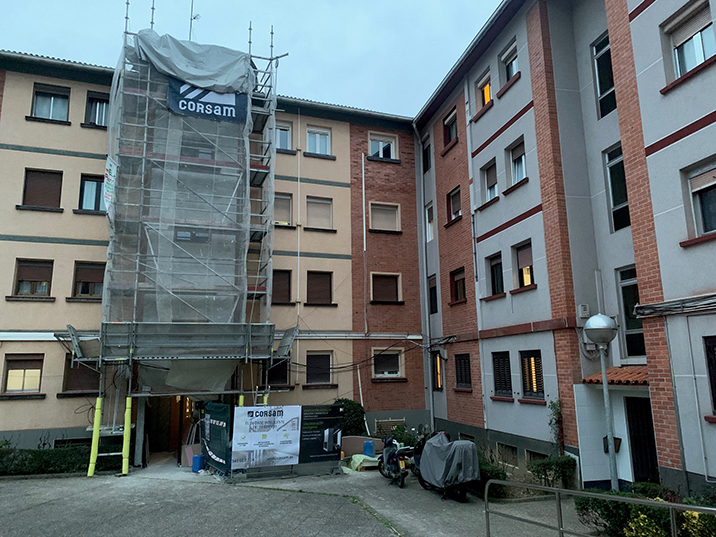 In Altza, renovation works are being carried out on:
8 house numbers / 202 homes
In Altza, the energy efficiency of the building envelope has been improved by installing ventilated façades and universal accessibility. Various works have also been undertaken in the neighbourhood’s urban space, such as the renaturalisation and recovery of channels in Auditz Akular, the recovery of asbestos-contaminated soils in the Vaguada de Larres, the renaturalisation of Plaza Ederrena and access to the Herrera fronton court, and the improvement of accessibility to the outpatient clinic and the Harri Berri Basque school. What’s more, two photovoltaic systems have been installed on the roofs of public buildings.
In Soraluze, renovation works are being carried out on:
5 house numbers / 72 homes
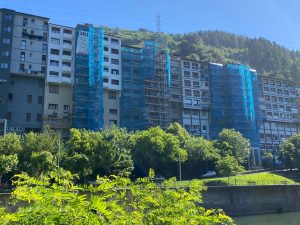
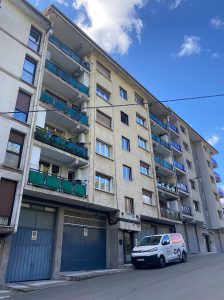
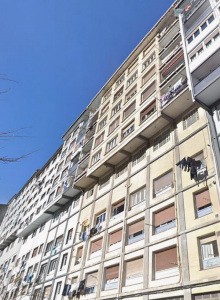
In Soraluze, the energy efficiency of the building envelope and universal accessibility have been improved. Lifts have been installed in all the buildings involved; energy efficiency has been improved by insulating the thermal envelope and enhancing the living conditions, with all homes now featuring a terrace at the entrance. Furthermore, the street has been redeveloped to resolve issues with water ingress and damp and to ensure that the building entrances are accessible. In addition, a former industrial site has been repurposed as a covered, multi-purpose open space for public use, to address the lack of open spaces in the neighbourhood.
Before:
After: