The legacy of BIRTUOSS, available on the Opengela website

The legacy of BIRTUOSS, available on the Opengela website

  • The new digital repository brings together tools, resources and expertise to drive urban regeneration and renewal in other areas.

The knowledge, tools and resources developed during the BIRTUOSS project are now available via the digital repository integrated into the Opengela website. This platform has been designed to facilitate knowledge transfer and to support local authorities, community outreach centres, specialist organisations and neighbourhood communities interested in implementing or adapting the Opengela model.

The repository brings together technical documentation, protocols, tools, information materials, audiovisual resources and strategic documents produced throughout the project. All the content has been organised to facilitate its consultation and practical application in integrated urban regeneration and renewal processes.

To enhance the browsing experience, the resources are categorised according to the stage of the process at which they are most useful, the type of content and the user profile they are aimed at. Furthermore, the platform is available in Basque, Spanish and English.

All these materials can be viewed and downloaded from the ‘Documentation’ section of the Opengela website, where a dedicated space has been set up to preserve and share the knowledge generated by BIRTUOSS, as well as to contribute to the replication and consolidation of people-centred urban regeneration models.

The integration of the repository into the Opengela website also ensures the continuity and accessibility of the project’s results beyond its completion, and establishes a permanent space for learning and exchange for those working on the regeneration and transformation of neighbourhoods.

OPENGELA NEWSLETTER

Receive all news related to Opengela

Three years of BIRTUOSS, summarised in its Layman’s Report​

Three years of BIRTUOSS, summarised in its Layman's Report

The European BIRTUOSS project has published its Layman’s Report, an informative document that summarises, in a clear and accessible way, the main objectives, actions and results achieved over the course of the project’s three-year duration.

The report outlines the BIRTUOSS journey and the development of the Opengela model, designed to provide comprehensive support to communities and families during the rehabilitation and regeneration of their neighbourhoods.

Using a simple, visual format, it sets out the key experiences gained throughout the project, the results achieved and the lessons learnt from the work carried out. The document also highlights the potential of community outreach offices as a tool for facilitating and supporting urban regeneration processes.

BIRTUOSS, developed with the support of the European Commission’s LIFE programme, has enabled progress to be made in consolidating and expanding the Opengela model, building on the pilot projects carried out in Otxarkoaga and Txonta and extending this approach to new neighbourhoods in the Basque Country.

You can view the document here.

OPENGELA NEWSLETTER

Receive all news related to Opengela

The BIRTUOSS project’s final report sets out the progress made and lessons learnt to continue driving forward the one-stop shops

The BIRTUOSS project’s final report sets out the progress made and lessons learnt to continue driving forward the one-stop shops

The European BIRTUOSS project, which has spent the last three years working on the development and expansion of the Opengela model of urban regeneration in the Basque Country, has come to an end with the publication of its final report.

The document sets out the main progress made during the project, the lessons learnt throughout its implementation and a series of recommendations aimed at consolidating and further expanding the model of community outreach offices as a tool to drive the rehabilitation and regeneration of neighbourhoods.

What began with two pilot schemes in Otxarkoaga (Bilbao) and Txonta (Eibar), as part of the European HIROSS4all project, has evolved into a network of 25 neighbourhood offices across 28 neighbourhoods, reinforcing Opengela’s role as a support hub for communities and families throughout the regeneration processes.

Throughout the BIRTUOSS project, the 14 project partners, with the support of the European Commission’s LIFE programme, have worked on transferring and consolidating the model, addressing technical, social, financial and administrative aspects linked to urban regeneration.

The final report also analyses the results achieved and sets out recommendations for further progress in establishing this type of office, both in the Basque Country and in other regions of Spain and Europe. Among its conclusions, it highlights the importance of having local structures capable of offering comprehensive support to the public and of coordinating the various stakeholders involved in urban regeneration processes.

With the publication of this report, BIRTUOSS brings a three-year phase of work to a close, leaving behind a consolidated model and a body of lessons learnt and proposals to continue moving towards urban regeneration that is more accessible, coordinated and people-centred.

OPENGELA NEWSLETTER

Receive all news related to Opengela
Co-funded by the European Union. The views and opinions expressed are solely those of the authors and do not necessarily reflect those of the EU or CINEA. Neither the European Union nor the funding authority can be held responsible for them.

The LIFE BIRTUOSS project has come to an end; over the past three years, it has consolidated the Opengela model, through which 28 neighbourhoods in the Basque Country have already been regenerated

The LIFE BIRTUOSS project has come to an end; over the past three years, it has consolidated the Opengela model, through which 28 neighbourhoods in the Basque Country have already been regenerated

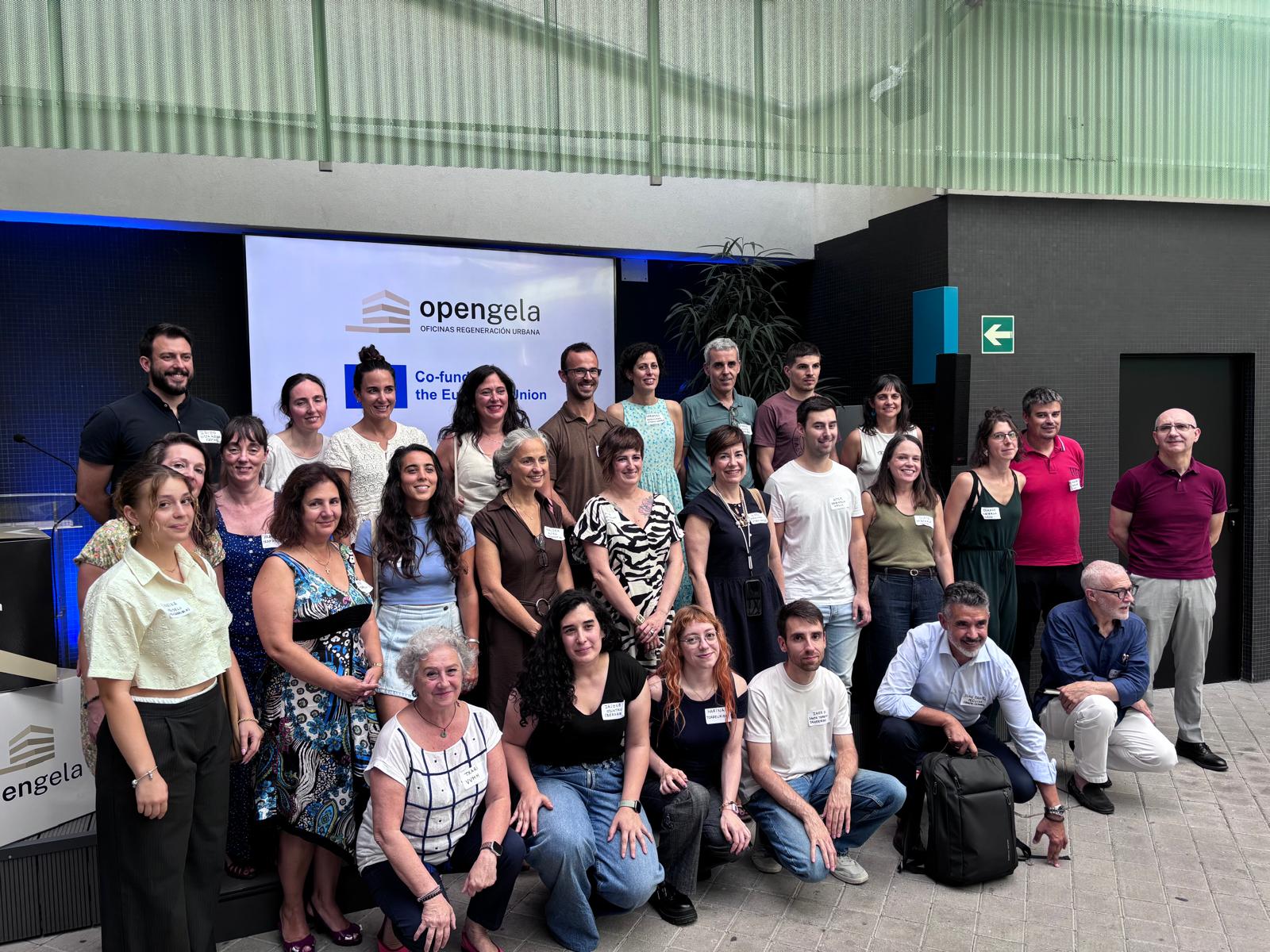
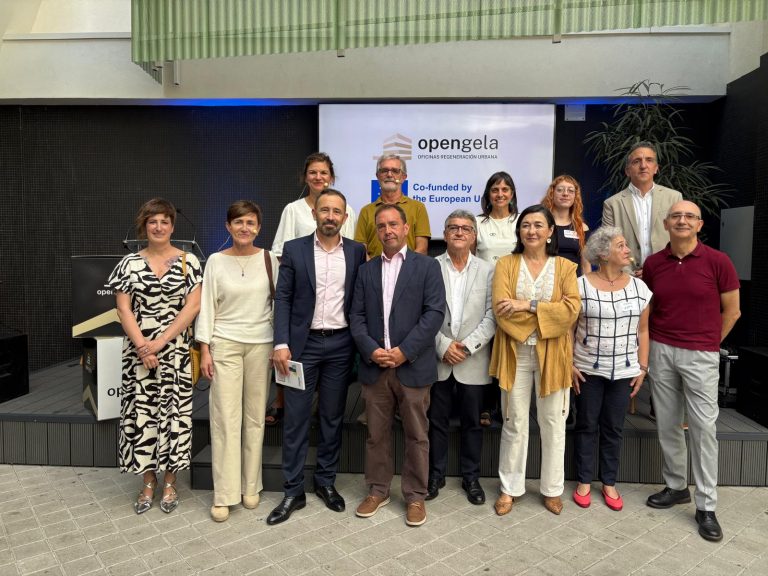
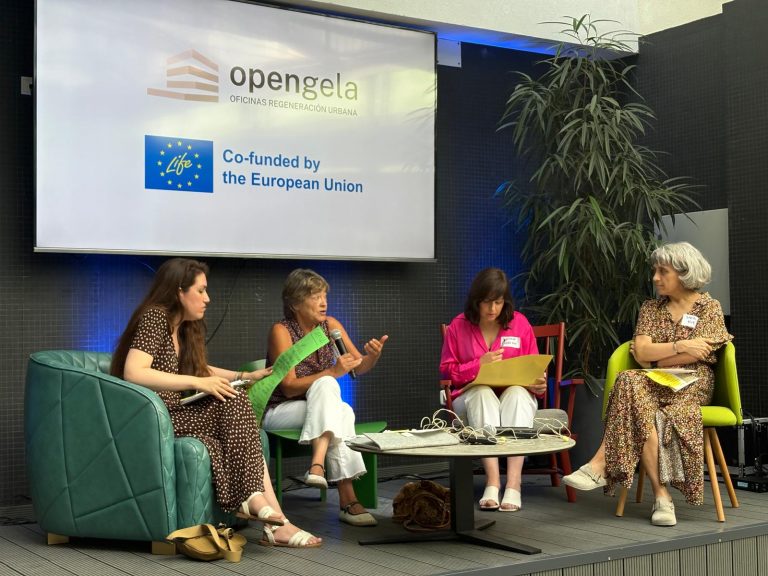
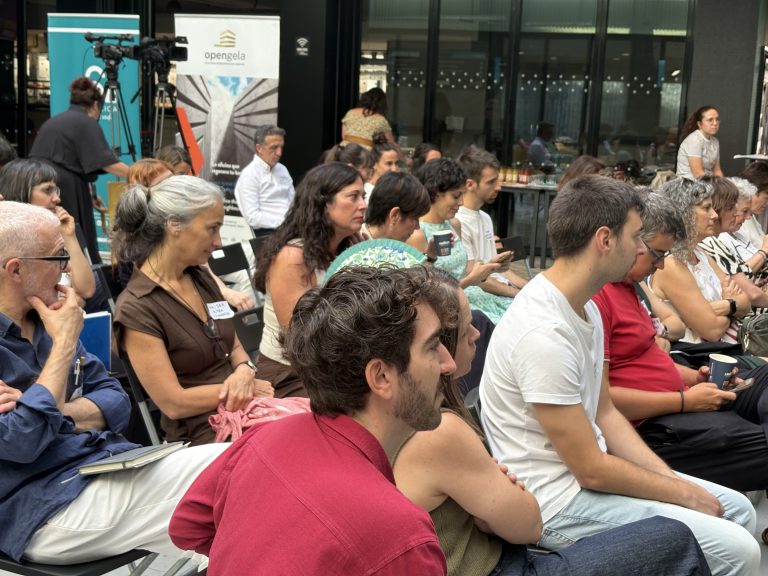
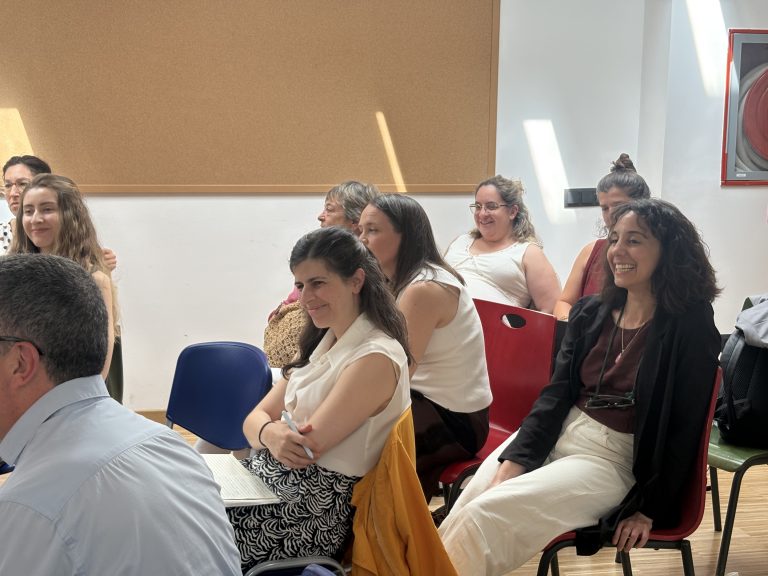
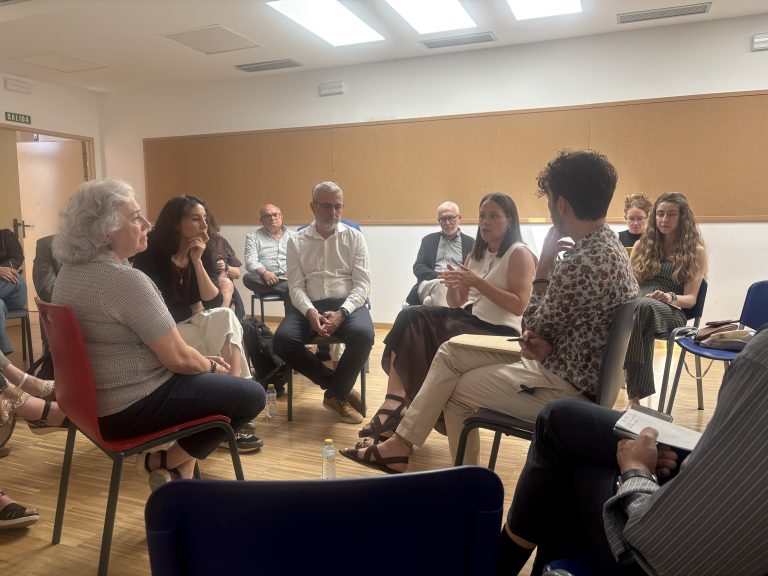
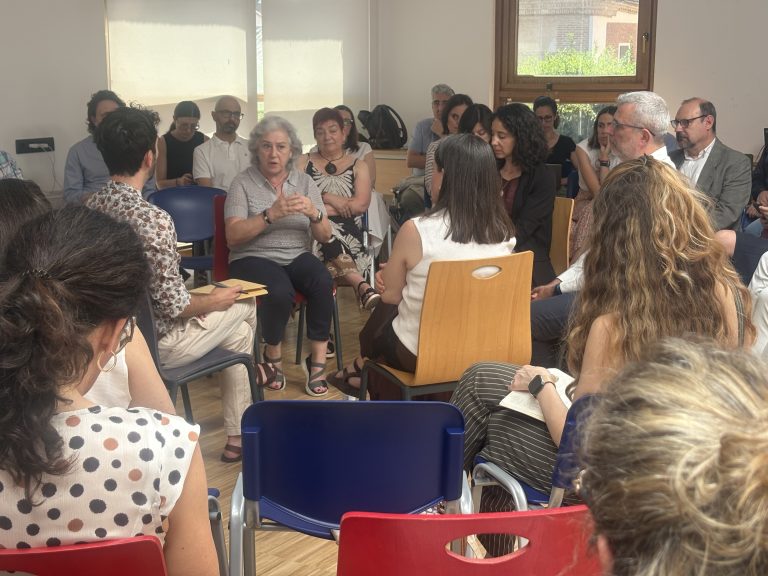
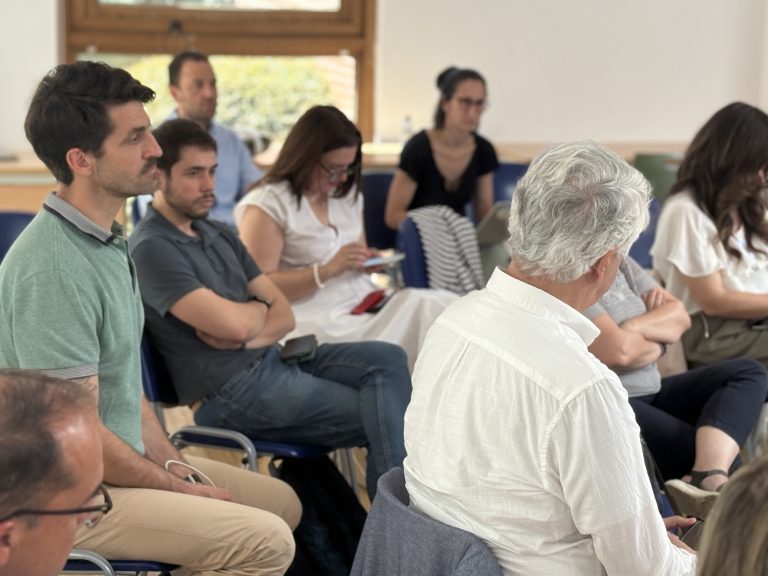
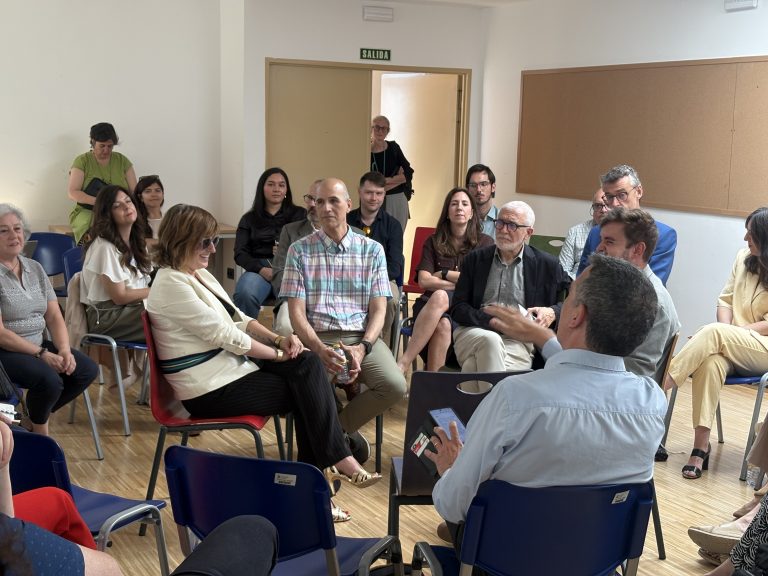
Representatives from the various ‘opengelas’ in the Basque Country
    • The neighbourhood offices are the cornerstone of the project: to date, a total of 25 have been set up to support 4,888 people in vulnerable neighbourhoods. Today, those in charge of these offices met at the Opengela Eguna.
    • The Basque Government’s Department of Housing and Urban Agenda has led a consortium of 14 public-private organisations. Minister Denis Itxaso has announced new funding of €800,000 to expand the Opengela model and strengthen urban regeneration in the Basque Country.
    • The Opengela network has established itself as a European benchmark. It has grown from two pilot offices to 25 offices in just three years, a period during which direct investment of almost 176 million euros has been mobilised.
    • The TorreUrizar building complex in Bilbao has served as a ‘living lab’, with solutions being trialled in the neighbourhood through the participation of local residents.

A total of 25 neighbourhood offices have been set up in 28 vulnerable neighbourhoods across the Basque Country, mobilising direct investment of 175.96 million euros and benefiting 4,888 people. These are the key figures summarising the Opengela model’s performance over the last three years.

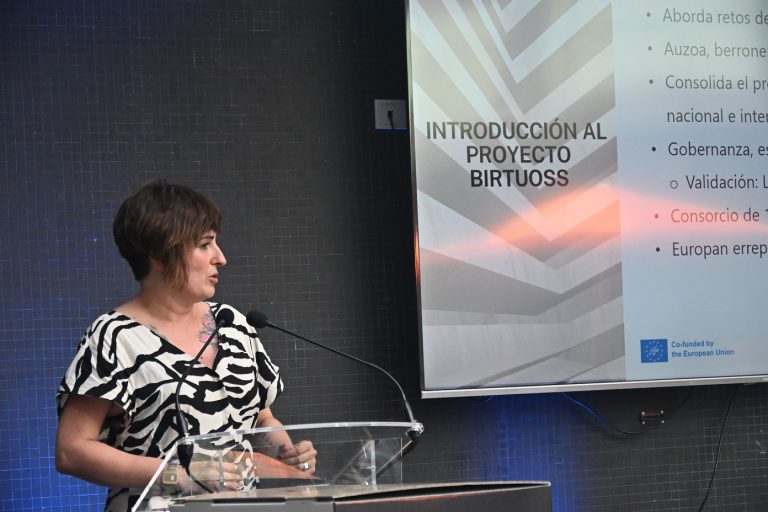
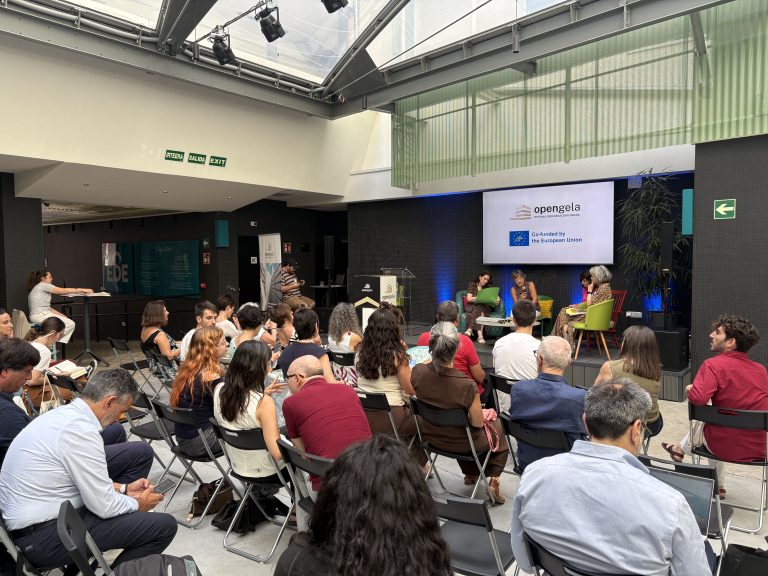
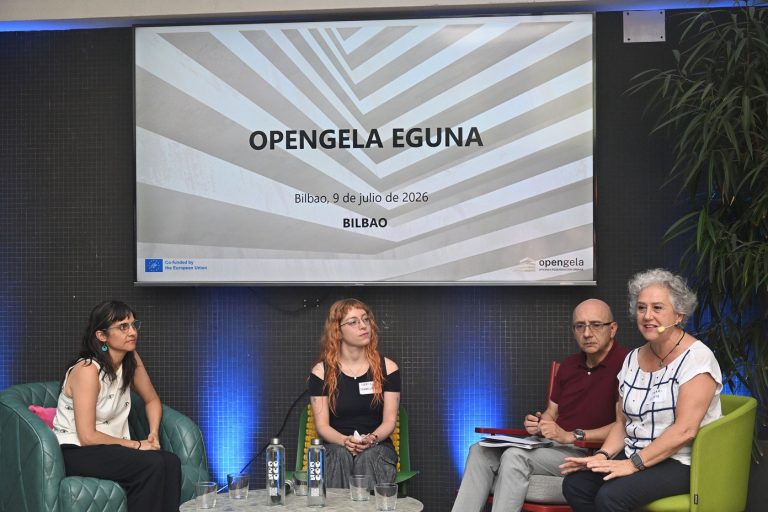
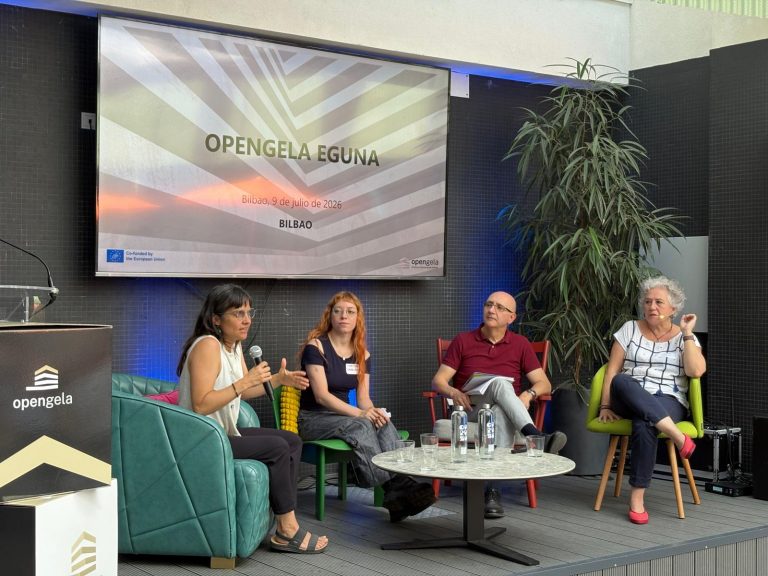
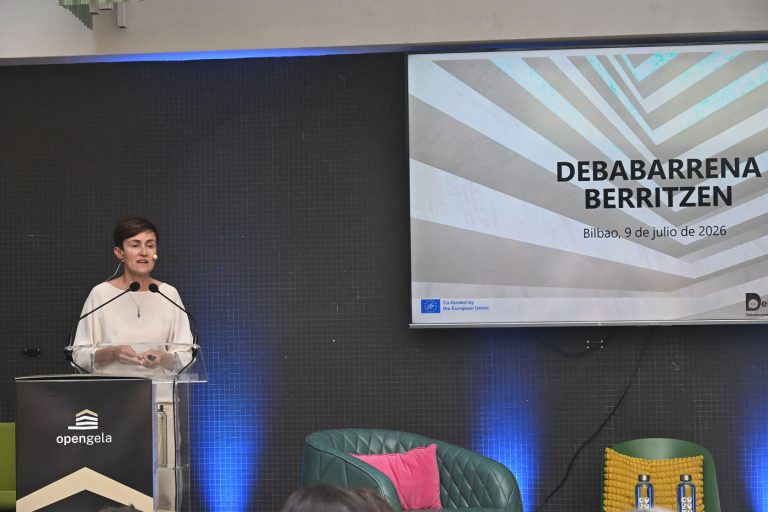
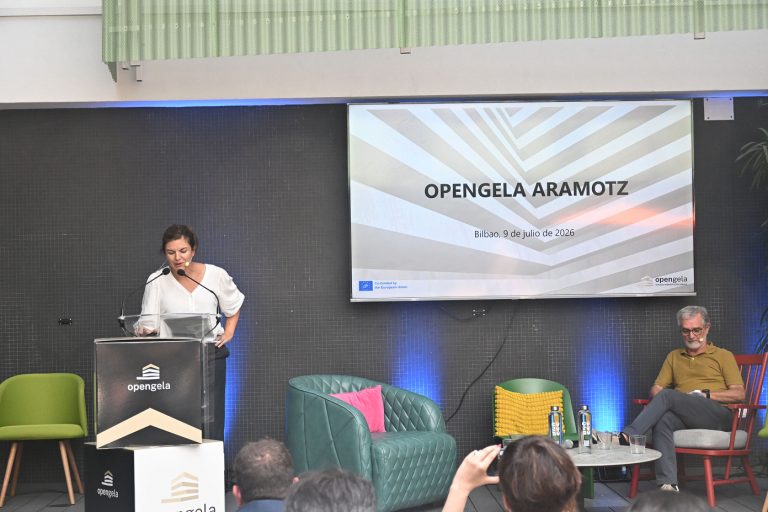
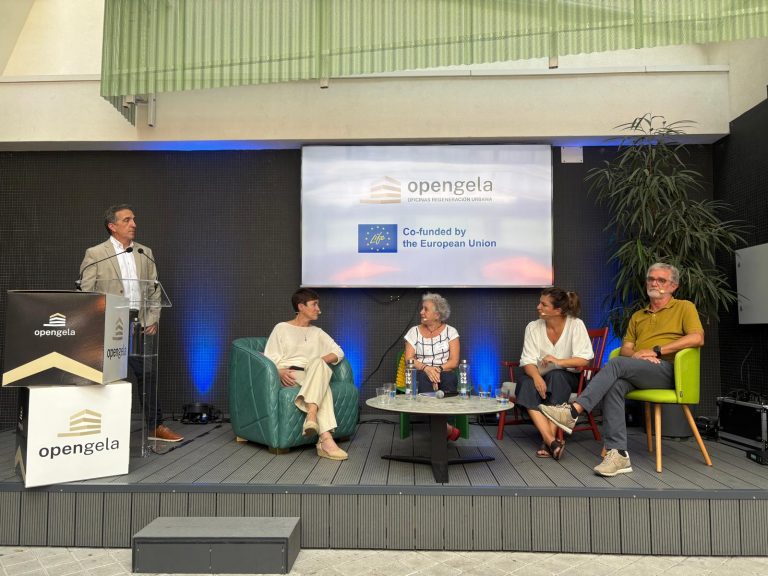
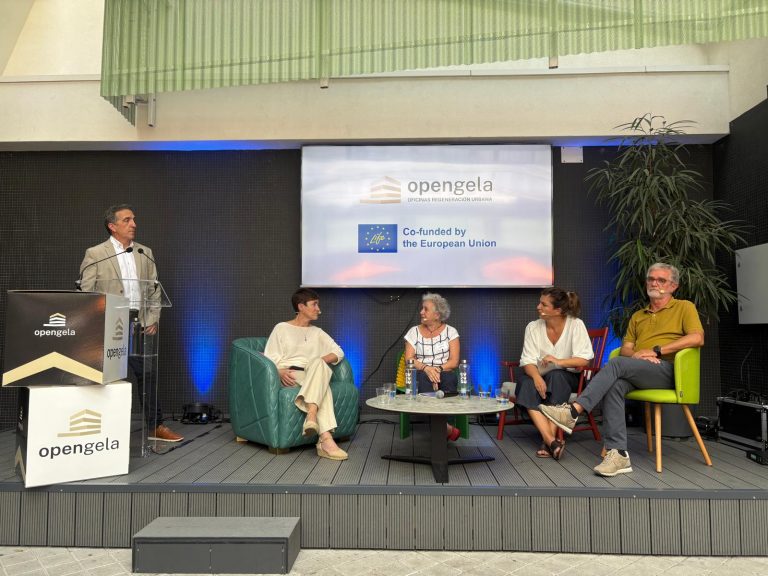
This programme, led by the Basque Government’s Department of Housing and Urban Agenda, has become well-established and is ready to be replicated in other European regions. To achieve this, it has drawn on the BIRTUOSS project, funded by the European Commission through the LIFE programme and developed by a consortium comprising 14 public-private organisations. Today, it organised one of its final events: Opengela Eguna, which brought together for the first time those responsible for managing the Basque neighbourhood offices, also known as ‘opengelas’.

This network of offices supports the public throughout the processes of comprehensive urban regeneration and renewal in the Basque Country. In three years, it has experienced exponential growth: from the two pilot schemes in the neighbourhoods of Txonta (Eibar) and Otxarkoaga (Bilbao), it has expanded to 25, with the potential to grow further in the future.

The project has helped to consolidate the model, which was first launched in 2019 as part of a previous European project called HIROSS4all (funded by the Horizon 2020 programme). It has now been recognised as an innovative initiative providing comprehensive support to local communities.

The results and lessons learnt from this initiative were shared today at an event held at the Guruzu centre in Bilbao, the headquarters of the EDE Fundazioa, one of the participants in the European consortium.

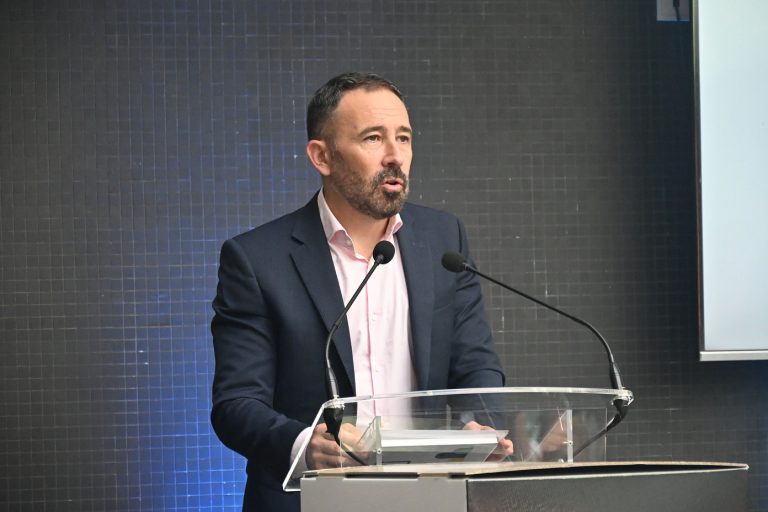
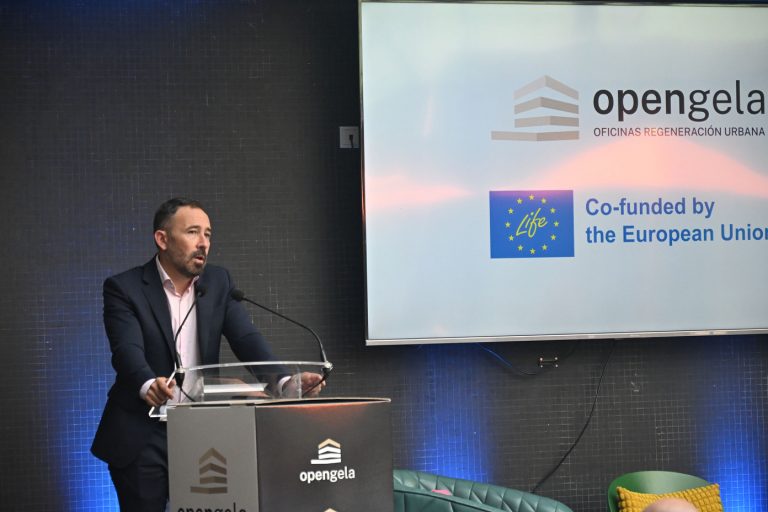
The Basque Government’s Minister for Housing and Urban Development, Denis Itxaso, has emphasised that the Basque ‘opengelas’ model “has shown that community involvement is the best tool for transforming our neighbourhoods. “Today we can say that this model has enabled the refurbishment of more than 2,800 homes and supported urban regeneration processes in 24 neighbourhoods across 21 municipalities in the Basque Country, improving the quality of life for thousands of people.”

Itxaso also took the opportunity to announce that the Basque Government has begun the process of issuing two new grant schemes, totalling 800,000 euros, to extend the Opengela model and strengthen urban regeneration in the Basque Country. The aim, she explained, “is to promote Local Urban Agendas so that local councils have their own strategic planning tools, tailored to their specific circumstances, enabling them to identify their urban challenges, define priorities and draw up medium- and long-term action plans”.

During the event, several case studies were also presented, such as those involving Bilbao Municipal Housing, which manages the ‘opengelas’ in Otxarkoaga, TorreUrizar and Párroco Unceta (in the Santutxu neighbourhood); as well as the work of Debegesa, the Debabarrena development company, which has set up offices in places such as Txonta (Eibar), Olasogain (Elgoibar) and Ezozibidea (Soraluze), and the experience of the Aramotz neighbourhood in Durango, where the impetus provided by the local community has been exemplary.

High take-up rate

The final project results show that performance exceeded expectations across all the strategic indicators defined at the start of the initiative. The key figures were announced during Opengela Eguna, revealing that the Opengela network has more than doubled in size over the past three years, now covering 28 neighbourhoods.

Furthermore, the initiatives carried out by the network have resulted in the refurbishment of 2,125 dwellings and directly benefited 4,888 people. The response from local residents has been positive, with a participation rate of 84 per cent. In other words, more than 8 out of every 10 target homes have been refurbished.

From an economic perspective, the project has mobilised a total direct investment of 175.96 million euros, well above the 120 million initially planned. Of this, 155.68 million comes from public funds and 20.30 million from private sources, bearing in mind that the residents live in vulnerable neighbourhoods.

The environmental results also highlight the impact of the measures implemented. The interventions carried out have led to annual energy savings of over 25,480 MWh and a reduction in emissions of 4,924 tonnes of CO₂ per year.

Furthermore, the project has created 38 direct jobs linked to the activities carried out as part of the initiative. Work has also been undertaken on nature-based solutions to mitigate the urban heat island effect in these neighbourhoods.

Pilot project in TorreUrizar, with community involvement

The project’s main pilot site has been the TorreUrizar ‘living lab’, located in the Irala neighbourhood of Bilbao. This historic residential complex, built in 1919 by Ricardo Bastida and comprising 264 dwellings distributed across 25 blocks, has served as a testing ground for innovative solutions relating to universal accessibility, energy efficiency, urban renaturalisation and the integration of renewable energy. All this has been carried out with the active participation of the local community.

The works carried out have included improvements to thermal insulation, the refurbishment of roofs and joinery, the installation of a photovoltaic system, and improvements to outdoor spaces to reduce the heat island effect and enhance the environmental quality of the surroundings.

Thus, the initial comparative results obtained in TorreUrizar confirm the positive impact of the refurbishment. Monitoring carried out in 26 dwellings shows that, following the works, the average indoor temperature during winter has risen from 18.8 ºC to 20.4 ºC, significantly improving residents’ comfort levels.

Furthermore, one of the key lessons learnt from the project has been the importance of placing people at the centre of refurbishment processes. The Opengela model has demonstrated that ongoing communication, close support and the building of trust are key factors in driving forward complex initiatives in residential settings.

OPENGELA NEWSLETTER

Receive all news related to Opengela
Co-funded by the European Union. The views and opinions expressed are solely those of the authors and do not necessarily reflect those of the EU or CINEA. Neither the European Union nor the funding authority can be held responsible for them.

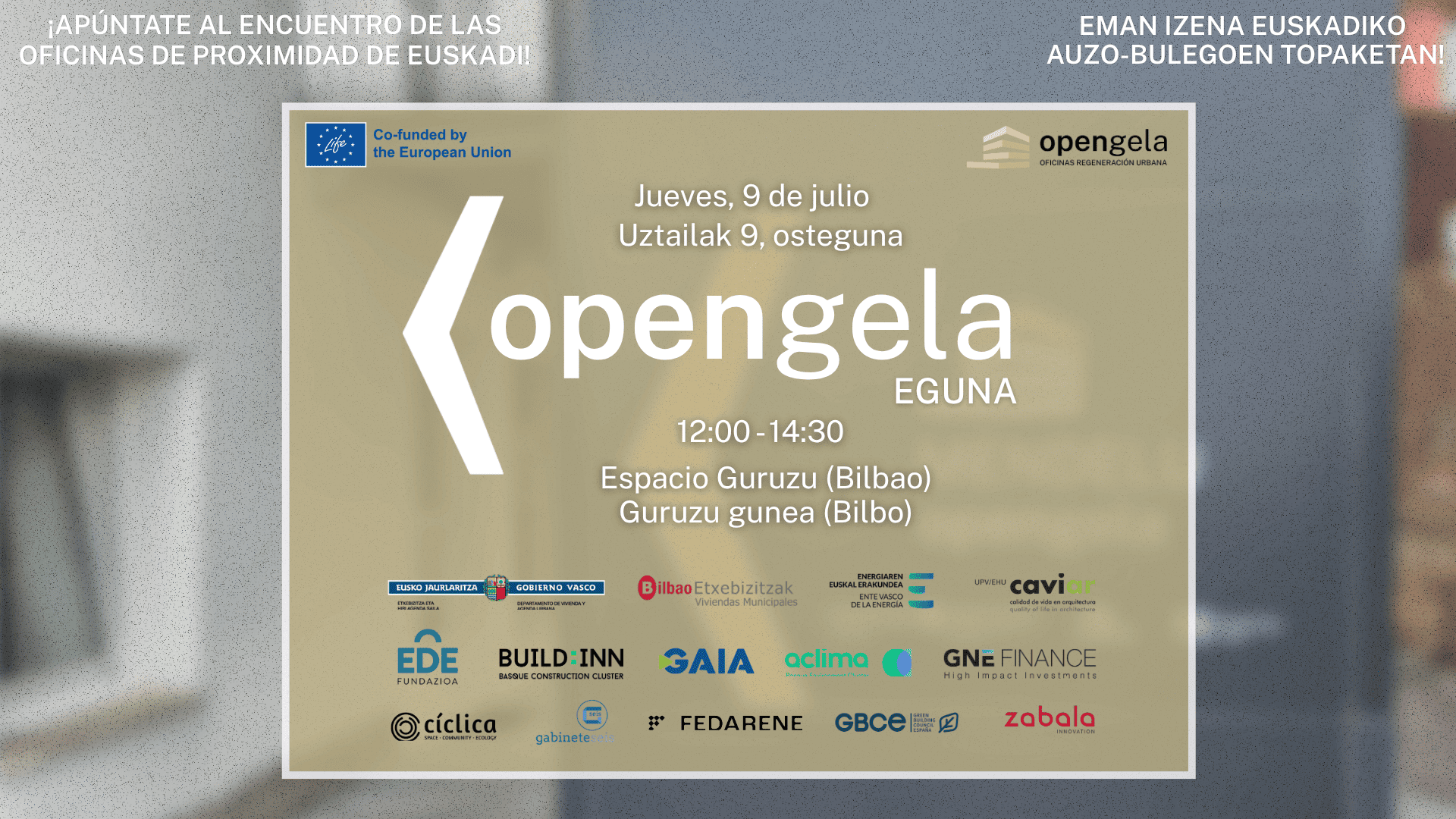
Opengela Eguna will bring together the Basque Country’s neighbourhood offices in Bilbao to share experiences in urban regeneration

Opengela Eguna will bring together the Basque Country’s neighbourhood offices in Bilbao to share experiences in urban regeneration

    • The event, organised by the LIFE BIRTUOSS project, will take place on the 9th of July at the Guruzu venue, the headquarters of EDE Fundazioa, and will bring together representatives from the 25 ‘opengelas’ in the Basque Country alongside institutions, businesses and social partners.

After years of working together to establish a network of local offices that support the public in urban regeneration processes, the time has come to share lessons learnt, showcase results and continue to build new partnerships. With this aim in mind, Opengela Eguna has been launched –a gathering of the neighbourhood offices in the Basque Country– which will take place on the 9th of July at the Guruzu venue, the headquarters of EDE Fundazioa in Bilbao.


The event, organised as part of the LIFE22-CET-BIRTUOSS project, will bring together the heads and managers of the 25 ‘opengelas’ in the Basque Country, as well as representatives from public authorities, businesses, social organisations and professionals working in the field of urban regeneration.

Opengela has established itself as a benchmark model for providing information, support and resources to the public, particularly in neighbourhoods undergoing urban transformation and regeneration. Its development has been made possible thanks to collaboration between regional, provincial and local authorities, alongside social organisations, businesses and local residents, always placing people at the heart of its initiatives.

During the summit, the main progress made in recent years will be analysed, an overview of the BIRTUOSS project will be presented, and practical experiences from various Basque municipalities will be shared. In addition, opportunities for the model’s growth and replication, both within and outside the Basque Country, will be discussed.

The event aims to provide a forum for meeting and exchange, with a view to continuing to promote a fair and sustainable urban transition, whilst strengthening a network that has already become a leading force in supporting urban regeneration processes.

Anyone interested can register using the form provided for the event.

SCHEDULE

Guruzu venue (Square)

12:00 – 12:30 | Welcome coffee
12:30 – 12:45 | Institutional welcome
12:45 – 13:15 | Review of the LIFE BIRTUOSS project
13:15 – 14:00 | Case studies of ‘opengelas’ in the Basque Country
14:00 – 14:30 | Closing remarks and cocktail reception


OPENGELA NEWSLETTER

Receive all news related to Opengela
Co-funded by the European Union. The views and opinions expressed are solely those of the authors and do not necessarily reflect those of the EU or CINEA. Neither the European Union nor the funding authority can be held responsible for them.

Opengela has mobilised 176 million euros in direct investment over three years to benefit 4,888 people through the regeneration of vulnerable neighbourhoods in the Basque Country

Opengela has mobilised 176 million euros in direct investment over three years to benefit 4,888 people through the regeneration of vulnerable neighbourhoods in the Basque Country

    • The LIFE22-CET-BIRTUOSS project, which implements the Opengela programme, has promoted the renovation of 2,125 homes and their urban surroundings. Today, it shared its findings at a closing event held at the University of Alcalá de Henares.
    • The Opengela network has grown from two pilot offices to 25 operational offices in 28 vulnerable neighbourhoods across the Basque Country and has established a model that serves as a European benchmark.
    • The TorreUrizar housing complex in Bilbao functioned as a ‘living lab’ during this period, with solutions being trialled in the neighbourhood through the participation of local residents.

The European LIFE22-CET-BIRTUOSS project, carried out by a consortium of 14 public-private organisations led by the Basque Government’s Department of Housing and Urban Agenda, has released its findings today following three years of work. This marks the successful completion of the process of consolidating and scaling up the Opengela programme, the network of neighbourhood offices that supports citizens in comprehensive urban regeneration and renewal processes in the Basque Country.

The initiative builds on a process that began in 2019 with a previous European project, known as HIROSS4all (funded by the Horizon 2020 programme), which enabled the launch of the first two Opengela pilot offices in Txonta (Eibar) and Otxarkoaga (Bilbao) and validated an innovative model of comprehensive support for local communities. Building on that pioneering experience, BIRTUOSS has driven the network’s expansion across the region to reach 25 operational offices in 28 neighbourhoods across the Basque Country, thereby consolidating a stable structure dedicated to urban and energy regeneration.

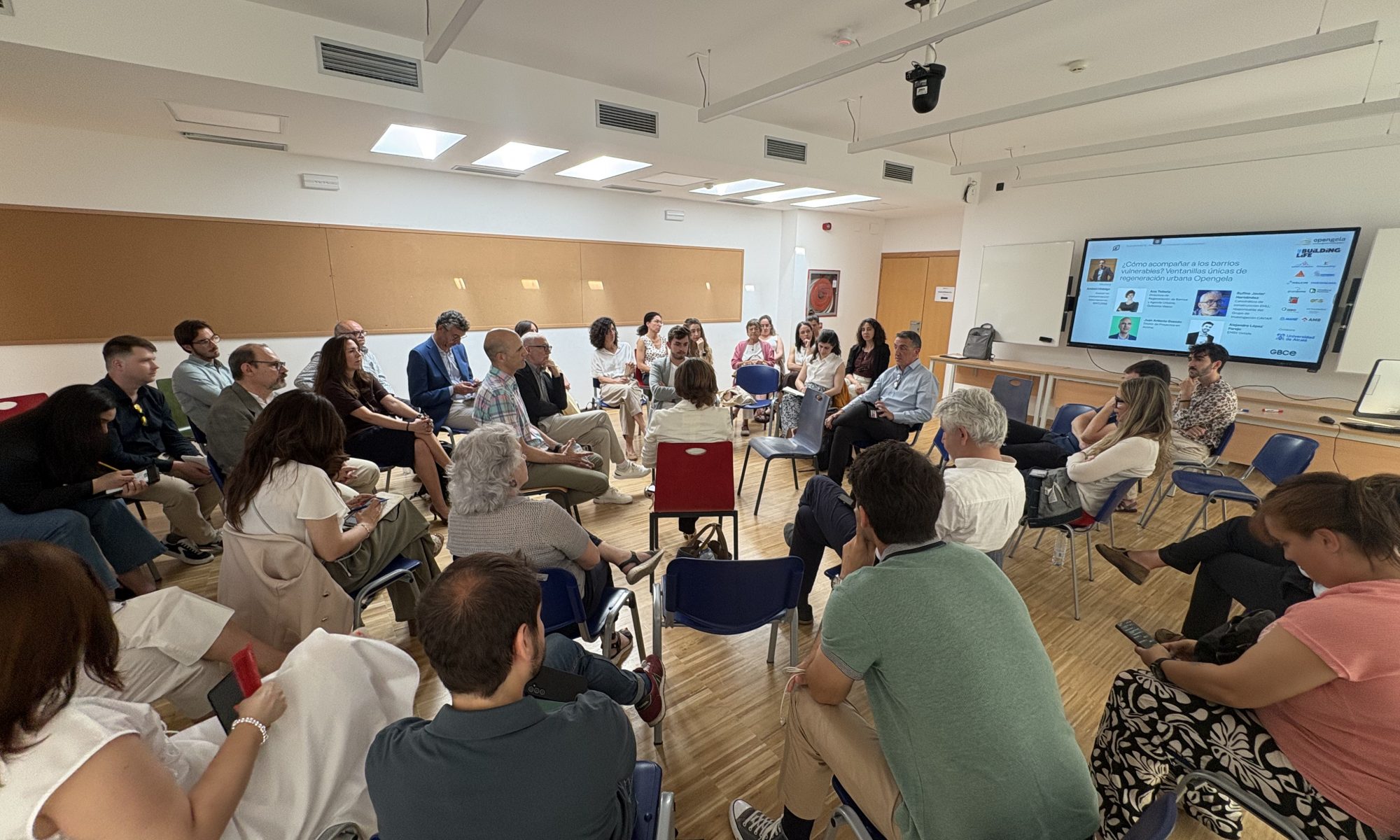
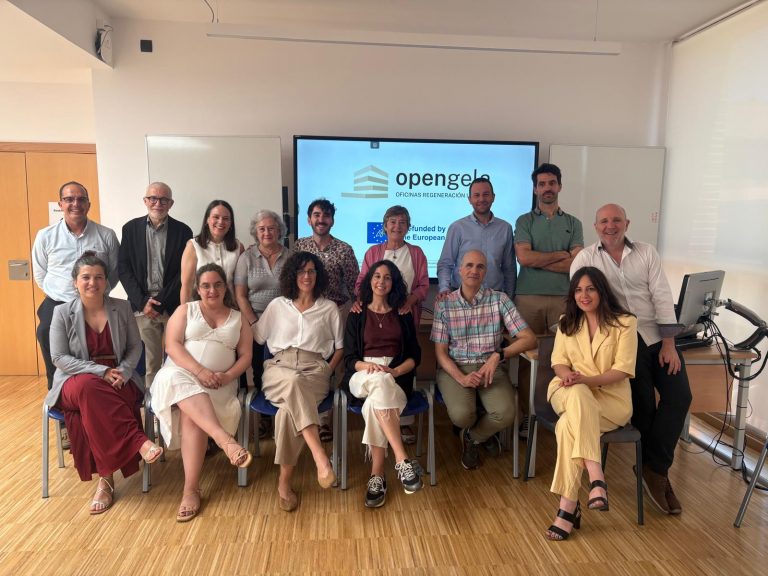
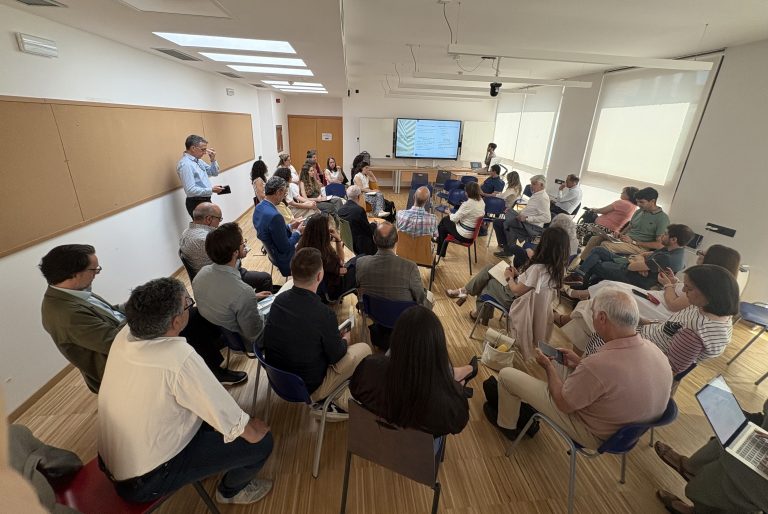
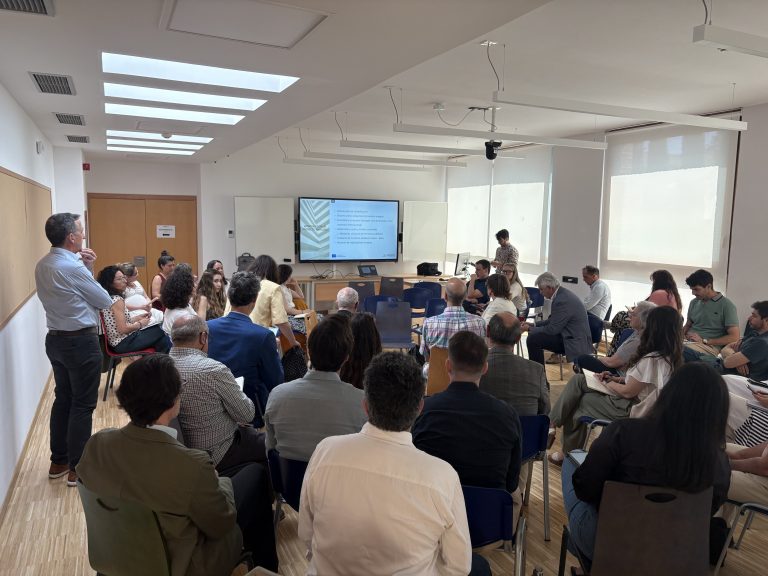
The results and lessons learnt from this initiative were presented by Ana Telleria, Director of Neighbourhood Regeneration and Urban Agenda at the Basque Government, during the project’s closing event, held as part of the Sostenibilidad XL conference organised by the Green Building Council Spain (GBCE) at the School of Architecture of the University of Alcalá de Henares.

Results exceeding targets

The final project data show that all the strategic indicators defined at the start of the initiative have been achieved beyond expectations. The Opengela network has grown over the past three years with the opening of 21 new neighbourhood offices, more than double the ten initially planned. Furthermore, the actions carried out by the network have resulted in the refurbishment of 2,125 homes and directly benefited 4,888 people.

From an economic perspective, the project has attracted total direct investment of €175.96 million, well above the €120 million initially envisaged.

The environmental results also highlight the impact of the measures implemented. The initiatives undertaken have led to annual energy savings of over 25,480 MWh and a reduction in emissions of 4,924 tonnes of CO₂ per year.

The project has also created 38 direct jobs linked to the activities carried out as part of the initiative. Work has also been done on nature-based solutions to mitigate the urban heat island effect in neighbourhoods.

TorreUrizar: a living lab and neighbourhood participation as the key

The project’s main experimental space has been the TorreUrizar ‘living lab’, located in the Irala neighbourhood of Bilbao. This historic residential complex, built in 1919 by Ricardo Bastida and comprising 264 homes spread across 25 doorways, has served as a testing ground for innovative solutions relating to universal accessibility, energy efficiency, urban renaturalisation and the integration of renewable energy. And always with the active participation of the local community.

The work carried out has included improvements to thermal insulation, the refurbishment of roofs and joinery, the installation of a photovoltaic system, and work on outdoor spaces to reduce the heat island effect and improve the environmental quality of the surroundings.

The initial comparative results obtained in TorreUrizar thus confirm the positive impact of the renovation. Monitoring carried out in 26 homes shows that, following the work, the average indoor temperature during the winter has risen from 18.8°C to 20.4°C, significantly improving living comfort for residents.

Furthermore, one of the key lessons learned from the project has been the importance of placing people at the heart of rehabilitation processes. The Opengela model has demonstrated that ongoing communication, close support and the building of trust are crucial factors in driving complex initiatives in residential settings.

The initiative carried out in TorreUrizar reflects this social dimension of the project. Throughout the process, 4,789 people have been assisted, more than 2,000 door-to-door information visits have been carried out, and 21 neighbourhood meetings have been held – all of which have strengthened the community’s involvement in decision-making.

The experience gained during the project underscores the need to combine technical solutions with strategies for active participation, attention to vulnerability and institutional coordination in order to ensure the success of urban transformation processes.

A well-established network serving local communities

The European project has driven the roll-out of the Opengela model across the region through a network of one-stop shops offering technical, financial, administrative and legal advice, supporting homeowners’ associations from the initial enquiry right through to the completion of the works.

These offices also facilitate coordination between public authorities, professionals and community representatives, streamlining complex processes and encouraging decision-making by local communities.

The model is based on a combination of multi-level governance, multidisciplinary teams and personalised support, with a particular focus on vulnerable neighbourhoods and those who face the greatest difficulties in undertaking rehabilitation processes.

A model with a European focus

The project’s findings suggest that neighbourhood offices or one-stop shops can play a decisive role in accelerating the renovation of Europe’s housing stock and helping to meet the European Union’s climate and energy targets.

Key lessons learnt include the importance of multi-level governance, institutional coordination, the existence of multidisciplinary teams, attention to situations of vulnerability, and public participation throughout the process.

Experience in the Basque Country also shows that there is no one-size-fits-all solution for all areas. The effectiveness of regeneration programmes depends on their ability to adapt to the social, urban and organisational characteristics of each neighbourhood, whilst maintaining stable frameworks for collaboration and technical support.

Consequently, the recommendations arising from the project include strengthening one-stop-shop networks, developing regulatory frameworks to facilitate their implementation, and consolidating funding mechanisms to enable the roll-out of such models at national and European level.

Participation in the Sostenibilidad XL conference has enabled us to share these results with institutional representatives, professionals and organisations from across Spain and Europe, helping to promote a model that is already regarded as an international benchmark in the field of comprehensive urban regeneration.

OPENGELA NEWSLETTER

Receive all news related to Opengela
Co-funded by the European Union. The views and opinions expressed are solely those of the authors and do not necessarily reflect those of the EU or CINEA. Neither the European Union nor the funding authority can be held responsible for them.

The BIRTUOSS-Opengela final event will take place on the 10th of June at the University of Alcála de Henares in Madrid

The BIRTUOSS-Opengela final event will take place on the 10th of June at the University of Alcála de Henares in Madrid

    • Several project partners will take part in two sessions focusing on support for energy-efficient refurbishment and urban regeneration. The event forms part of the Sostenibilidad XL conference, organised by Green Building Council Spain.
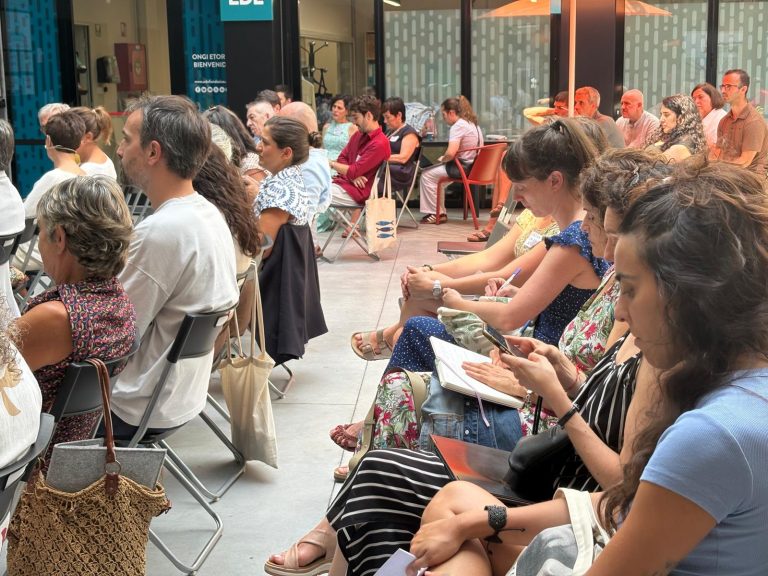
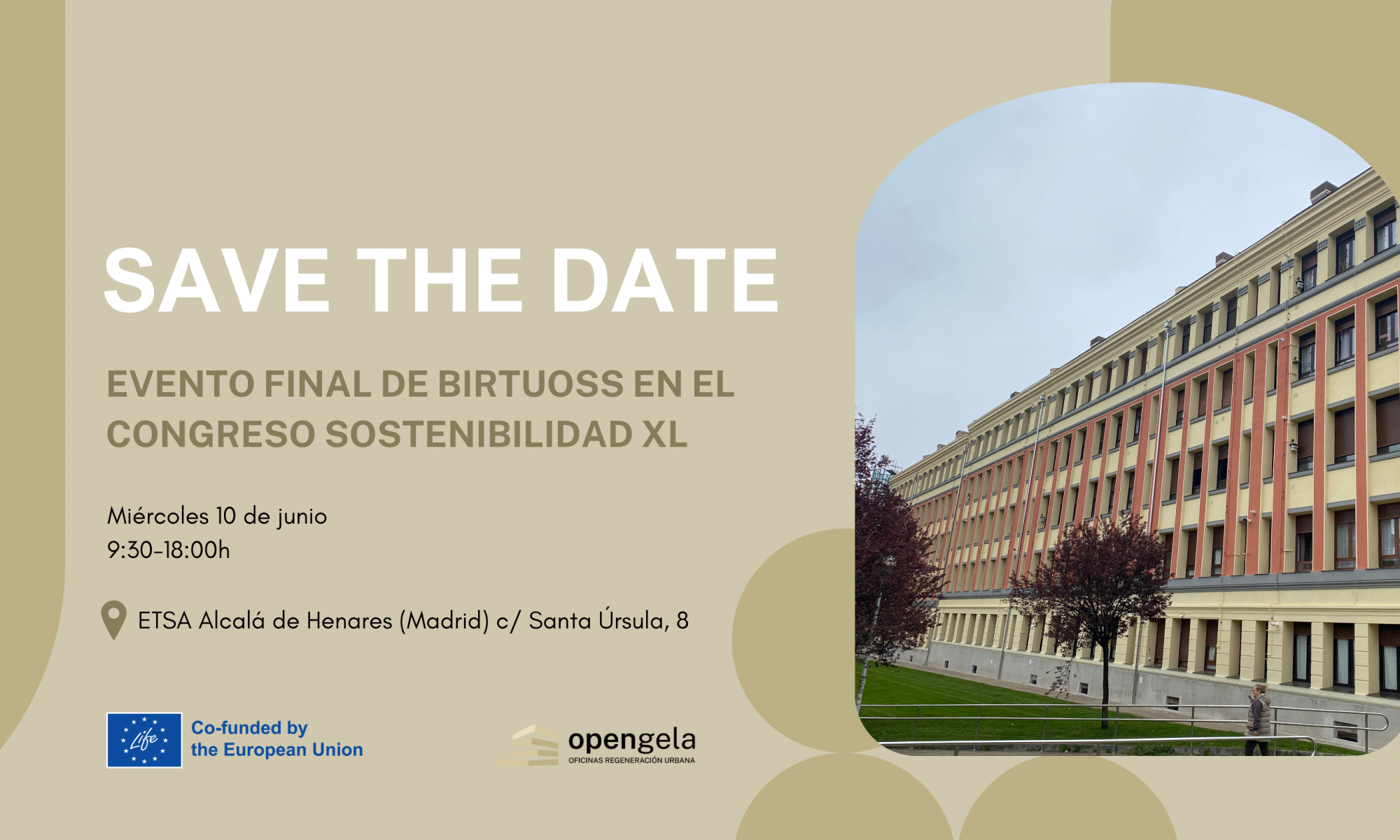
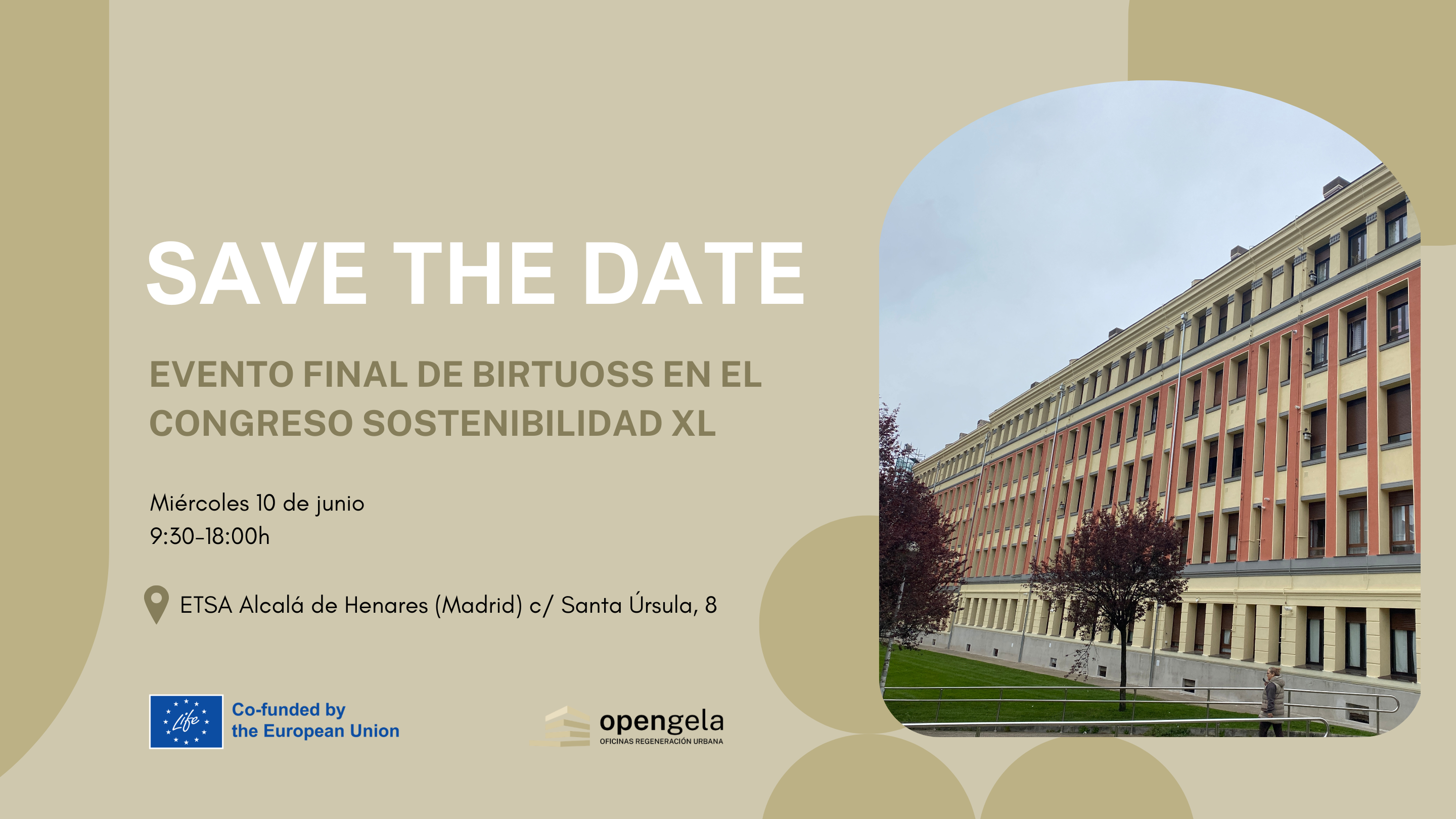
The BIRTUOSS-Opengela project will hold its final event on the 10th of June at the University of Alcalá de Henares (Madrid), as part of the Sostenibilidad XL conference organised by the Green Building Council Spain (GBCE). The event will provide an opportunity to share the main results and lessons learnt during these years of work on energy-efficient refurbishment and urban regeneration, as well as to discuss the challenges and opportunities facing the sector.

In this context, Opengela will take part in two sessions focusing on support for energy-efficient refurbishment and urban regeneration. The first, entitled “How can we support vulnerable neighbourhoods? Opengela’s one-stop shops for urban regeneration, will take place at 11.15 am in Room 3 and will feature Ana Telleria, Director of Neighbourhood Regeneration and Urban Agenda at the Basque Government; Rufino Hernández, from CAVIAR EHU; Juan Antonio Gascón, from ACLIMA; and Alejandro López Parejo, from EMVS Getafe. The session will be moderated by Andoni Hidalgo, representing Gabineteseis.
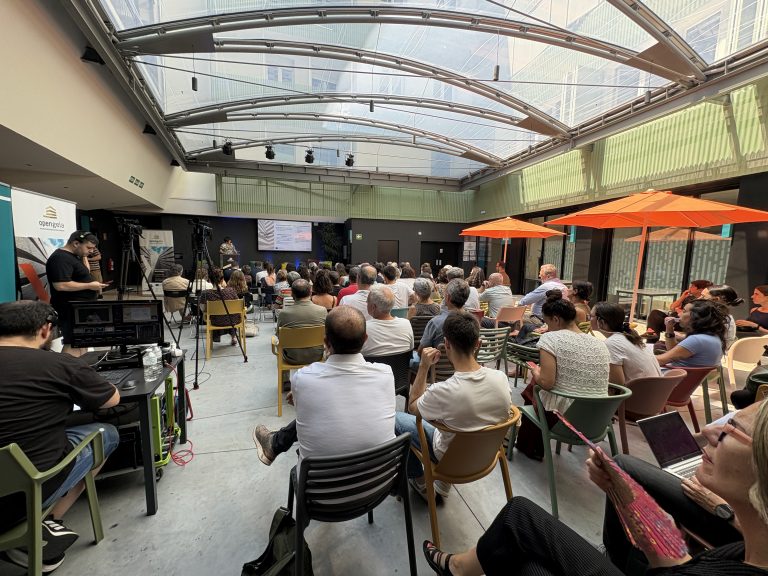
The second session, “How are renovation contractors and one-stop shops tackling the challenges of the National Building Renovation Plan?, will take place at 12.20 pm, also in Room 3. Participants will include Txari Vallejo, architect at Bilbao Municipal Housing; Paula Ferrando, from GNE Finance; Olatz Ugarte, from the Basque Government; and Iván Madrigal, from EOS RenovAcción, with Miguel Segovia from GBCE acting as moderator.

Both sessions will provide an opportunity to share experiences, lessons learnt and models for supporting the public during regeneration processes, alongside other relevant projects and initiatives in the sector.

The full schedule and registration details for the conference are now available on the GBCE website.

OPENGELA NEWSLETTER

Receive all news related to Opengela
Co-funded by the European Union. The views and opinions expressed are solely those of the authors and do not necessarily reflect those of the EU or CINEA. Neither the European Union nor the funding authority can be held responsible for them.

Opengela is expanding its network with new offices in Bilbao, Bergara and Hondarribia

Opengela is expanding its network with new offices in Bilbao, Bergara and Hondarribia

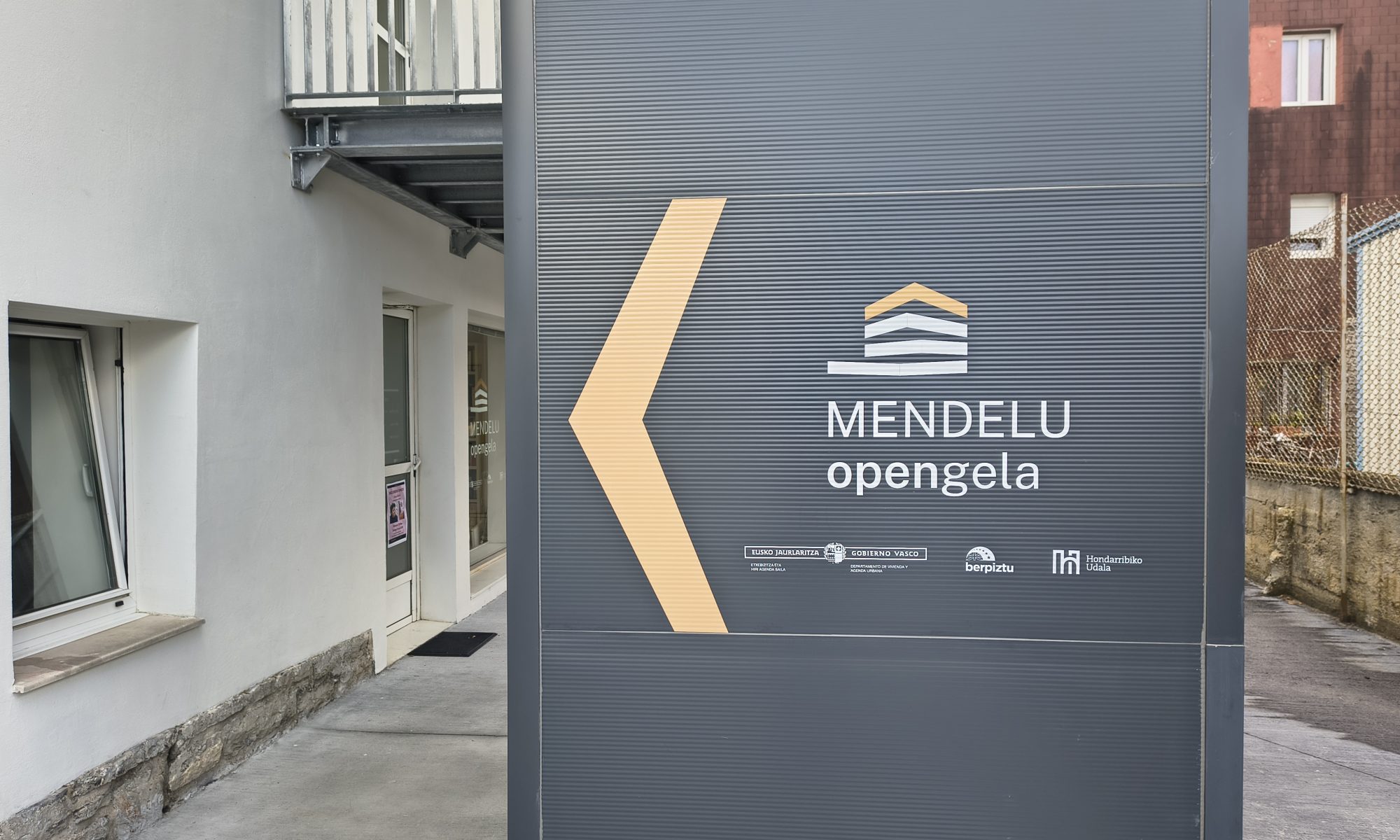
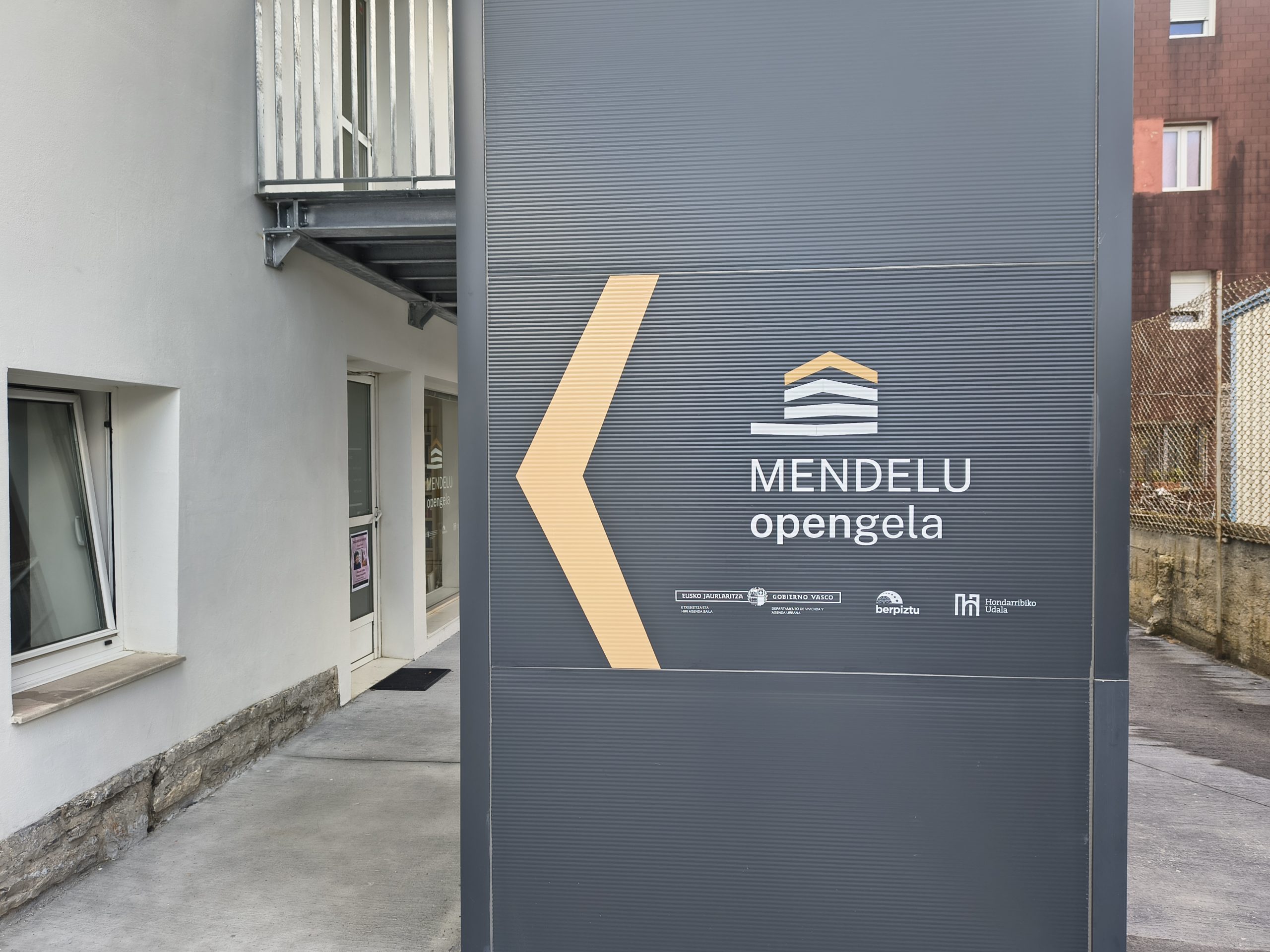
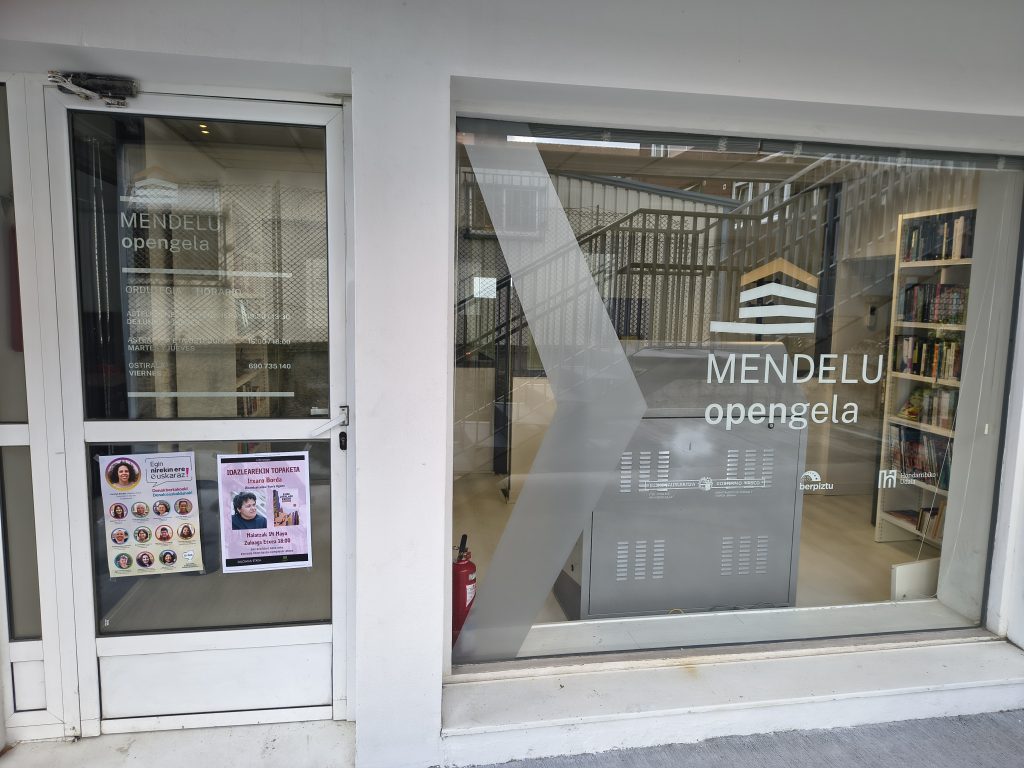
Entrance to the Mendelu neighbourhood office (Hondarribia)
    • Zurbaran-Arabella, Osintxu and Mendelu will have neighbourhood offices to boost the regeneration of their respective neighbourhoods.
    • The Basque urban regeneration network continues to grow as projects in Andonaegi (Pasaia), Txarama (Leaburu), Beraun (Errenteria) and Aramotz (Durango) are successfully completed.

The Opengela network of neighbourhood offices, led by the Basque Government’s Department of Housing and Urban Agenda, continues to strengthen its presence in the Basque Country with the opening of new offices in Zurbaran-Arabella (Bilbao), Osintxu (Bergara) and Mendelu (Hondarribia), areas where residential refurbishment and urban regeneration play a strategic role in improving citizens’ quality of life and moving towards more accessible, efficient and socially cohesive neighbourhoods.

In Bilbao, the new ‘opengela’ will operate in two neighbourhoods, Zurbaran and Arabella, located in the district of Uribarri. The office will focus in particular on 134 buildings comprising 1,739 homes considered a priority due to their need for improvements in accessibility and energy efficiency, although the regeneration programme covers a total of 719 buildings and more than 12,000 homes across the district.

The challenging terrain of these neighbourhoods, which affects connections with other parts of the city and makes day-to-day access difficult, makes the neighbourhood office a key tool for bringing technical and administrative support closer to local communities. The aim is to facilitate regeneration processes through a local, ongoing service tailored to the needs of each community.

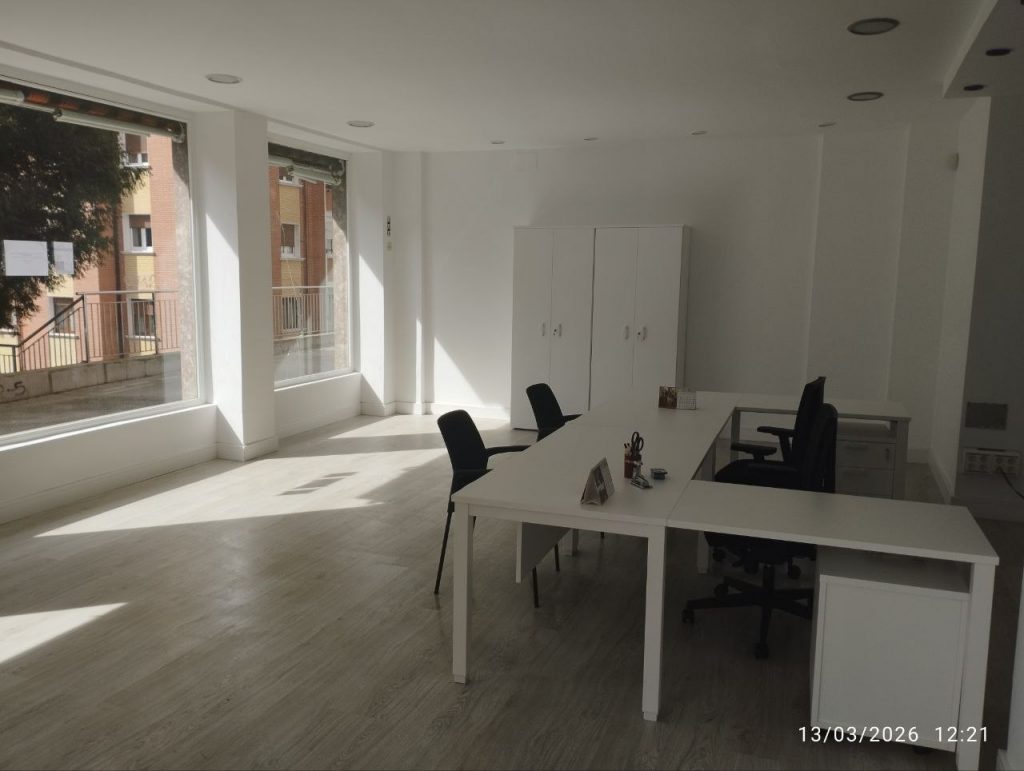
Zurbaran-Arabella neighbourhood office (Bilbao)

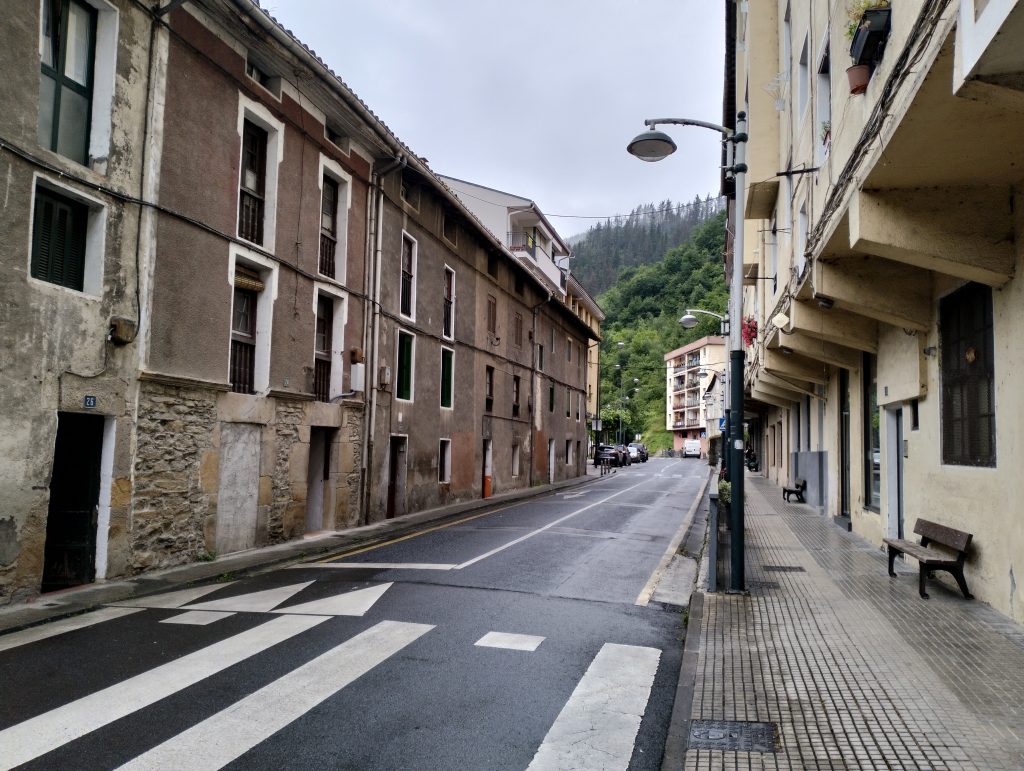
The ‘opengela’ in Osintxu, Bergara, has also begun its work, and will be driving the renovation of 12 house numbers and 102 homes. This is a neighbourhood that has undergone significant social and urban transformation since the industrialisation of the 20th century, resulting in a highly diverse residential area where newer buildings stand alongside older properties in need of extensive renovation.
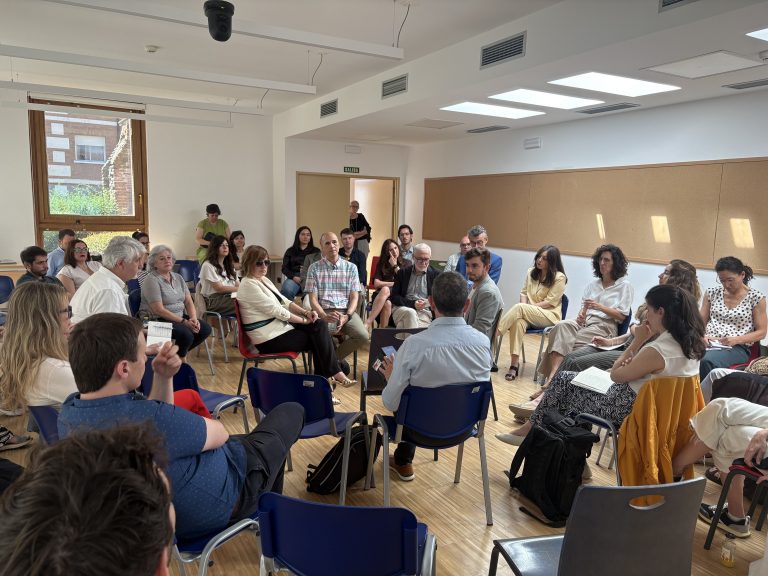
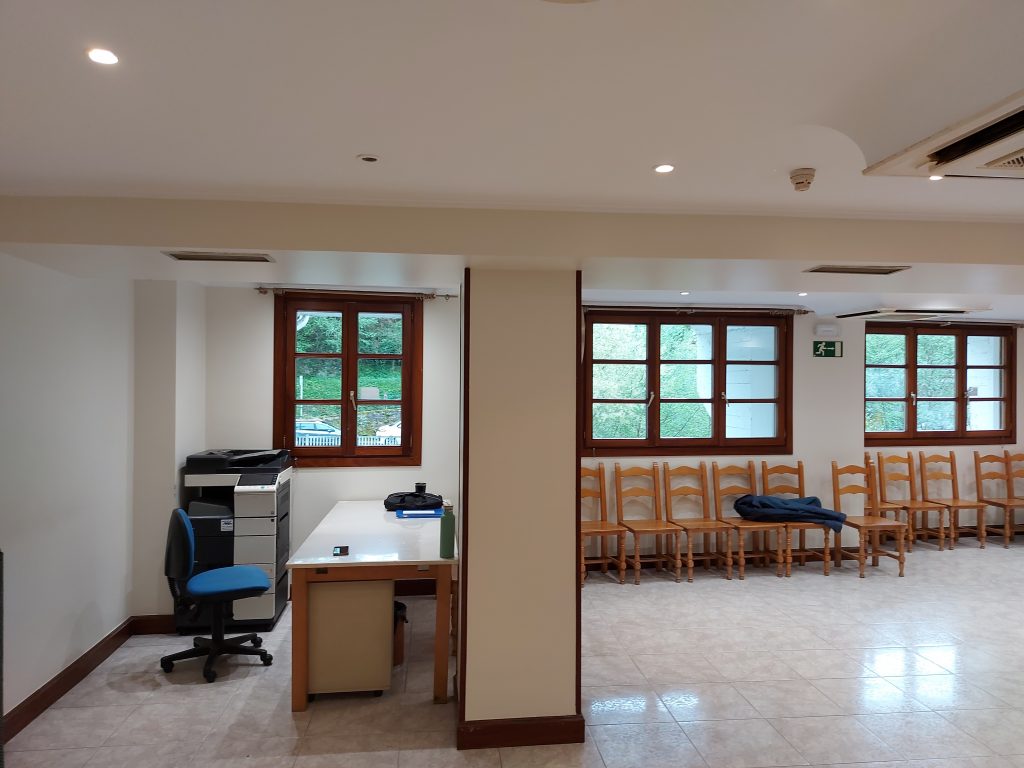
To support the project’s development and strengthen ties with the local community, the former Txuringo bar-restaurant has been transformed into the project’s headquarters. Located next to the neighbourhood square, the premises will enable the project to centralise its support for local residents and coordinate the various initiatives linked to the urban regeneration process.

Meanwhile, in Mendelu, Hondarribia, the project is being carried out across various residential areas of the neighbourhood, combining different building types and distinct local contexts. The initiative covers areas such as Mugondo, Planetas, Caseríos, Sauraenea, San Isidro and Eskapatxulo, enabling a comprehensive approach to the local housing stock. The office, located in the Mendelu Enea complex, provides local and ongoing support to residents, working alongside neighbourhood communities on the processes of renovation, improving accessibility and enhancing the energy efficiency of homes.

Offices closed following the completion of refurbishment and regeneration works 

Alongside these new openings, several offices have recently ceased operations following the completion of the renovation and urban regeneration projects for which they were established.

This is the case for the offices in Andonaegi (Pasaia), Txarama (Leaburu), Beraun (Errenteria) and Aramotz (Durango), which are closing following the completion of the support processes for local communities and the successful conclusion of the planned initiatives in each of these areas.

These closures reflect the temporary and community-focused nature of the Opengela model, which is designed to address the specific needs of each neighbourhood during the course of urban regeneration projects, from the initial information and engagement phases through to the execution of the works and the completion of the regeneration processes.

OPENGELA NEWSLETTER

Receive all news related to Opengela
Co-funded by the European Union. The views and opinions expressed are solely those of the authors and do not necessarily reflect those of the EU or CINEA. Neither the European Union nor the funding authority can be held responsible for them.
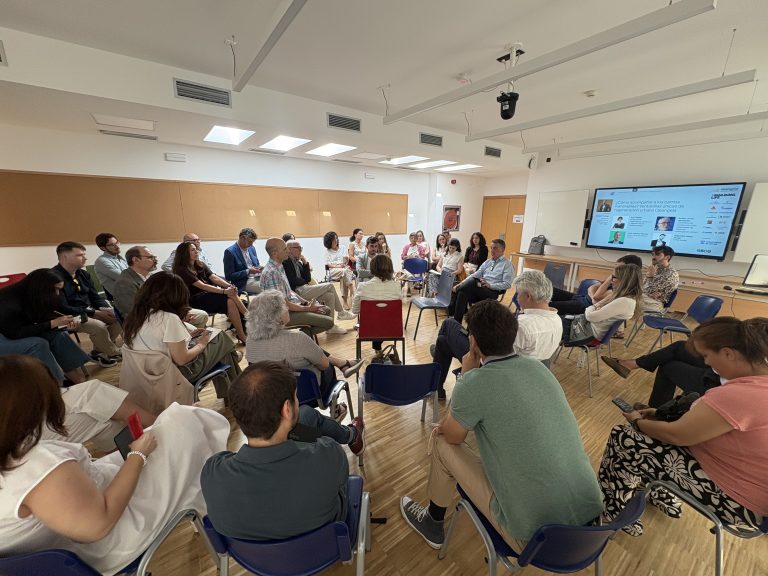
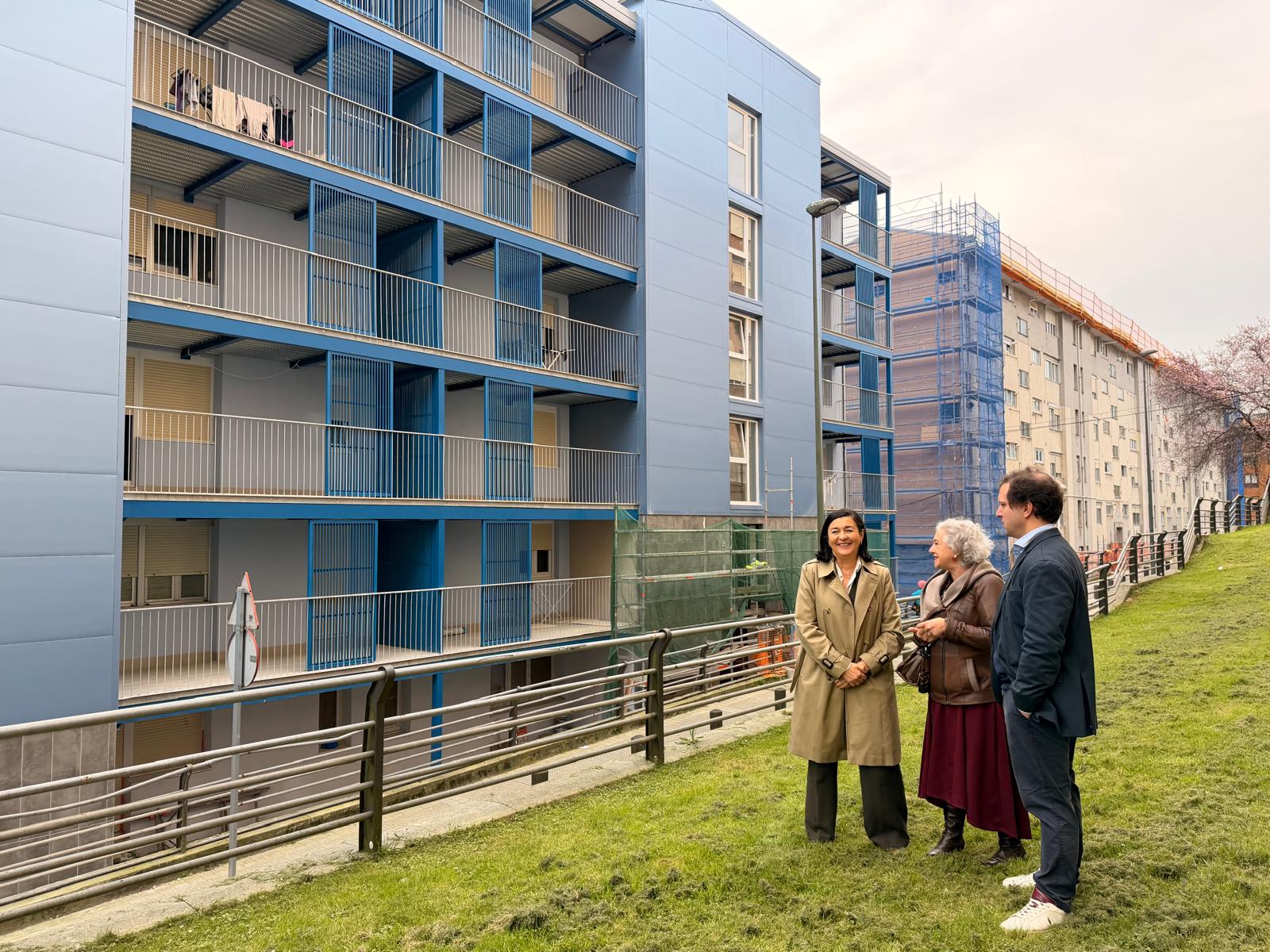
84 dwellings part of the Opengela programme in Otxarkoaga are being extended with terraces

84 dwellings part of the Opengela programme in Otxarkoaga are being extended with terraces

  • The dwellings on Txotena Street (three doorways) and Irumineta Street (four doorways) feature 12 m² terraces, thereby increasing their usable space by 30%.

A total of 84 dwellings in the Otxarkoaga neighbourhood of Bilbao have been extended with new terraces as part of the Opengela urban regeneration programme. The project, carried out by Bilbao Municipal Housing, aims to improve the liveability of small flats through innovative refurbishment solutions.

The buildings involved are located on Txotena Street (three doorways) and Irumineta Street (four doorways). The new terraces, measuring approximately 12 square metres, represent an increase of around 30% in the usable space of each flat. This work forms part of the Orain Otxar regeneration project, run by Opengela.

The project has received funding from the European Union through the Next Generation EU funds, as part of the Spanish Government’s Recovery, Transformation and Resilience Plan, as well as contributions from the Basque Government and Bilbao City Council.

OPENGELA NEWSLETTER

Receive all news related to Opengela
Co-funded by the European Union. The views and opinions expressed are solely those of the authors and do not necessarily reflect those of the EU or CINEA. Neither the European Union nor the funding authority can be held responsible for them.
The European Commission highlights Opengela as an example of advising households on energy renovation

The European Commission highlights Opengela as an example of advising households on energy renovation

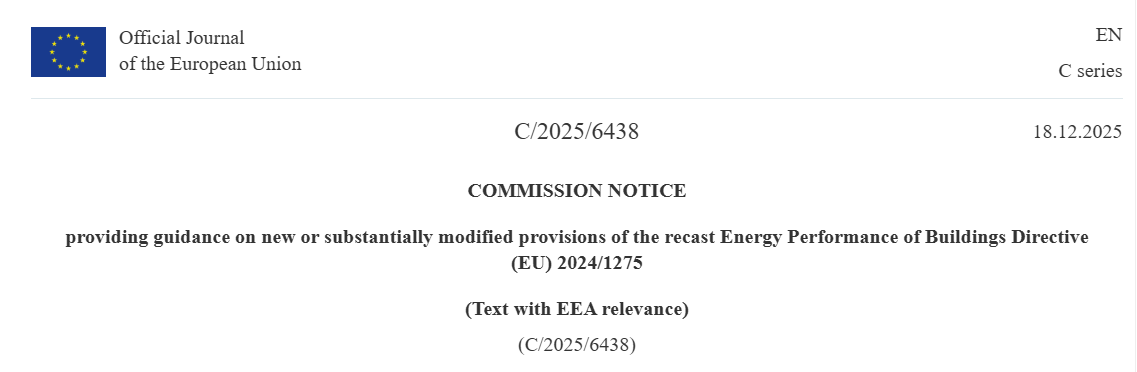
  • It has been included in the Commission Notice C/2025/6438 for its comprehensive neighbourhood and housing support model.

Commission Notice C/2025/6438 from the European Commission, released last December, provides guidance to Member States on how to implement the EU Energy Performance of Buildings Directive (EPBD) and improve the efficiency of the residential building stock. In this context, the Opengela project is mentioned as an example of inspiring practice. It states that ‘the Opengela pilot project in the Basque Country offers neighbourhoods advice and support on the administrative, technical and financial aspects of energy-related issues, but also on other relevant topics, such as accessibility for people with disabilities’.

In addition to the one-stop shop service, the document states that Opengela has developed ‘an online tool with an energy map of all buildings in the Basque Country’, which provides ‘an integrated framework to support the development of renovation plans, complemented by estimates of the financial implications at multiple levels: national, regional, neighbourhood and individual housing’. This tool also makes it possible to ‘detect needs, including the identification of the least efficient buildings’ and serves as a starting point for each building to determine its energy renovation needs.

The European Commission includes this experience in a section on household advisory practices, recognising Opengela as an inspiring model for other European regions seeking to accelerate the energy renovation of their buildings.

Full document here.

OPENGELA NEWSLETTER

Receive all news related to Opengela
Co-funded by the European Union. The views and opinions expressed are solely those of the authors and do not necessarily reflect those of the EU or CINEA. Neither the European Union nor the funding authority can be held responsible for them.