- The aim is to be able to apply them in the TorreUrizar neighbourhood of Bilbao as a test bench.
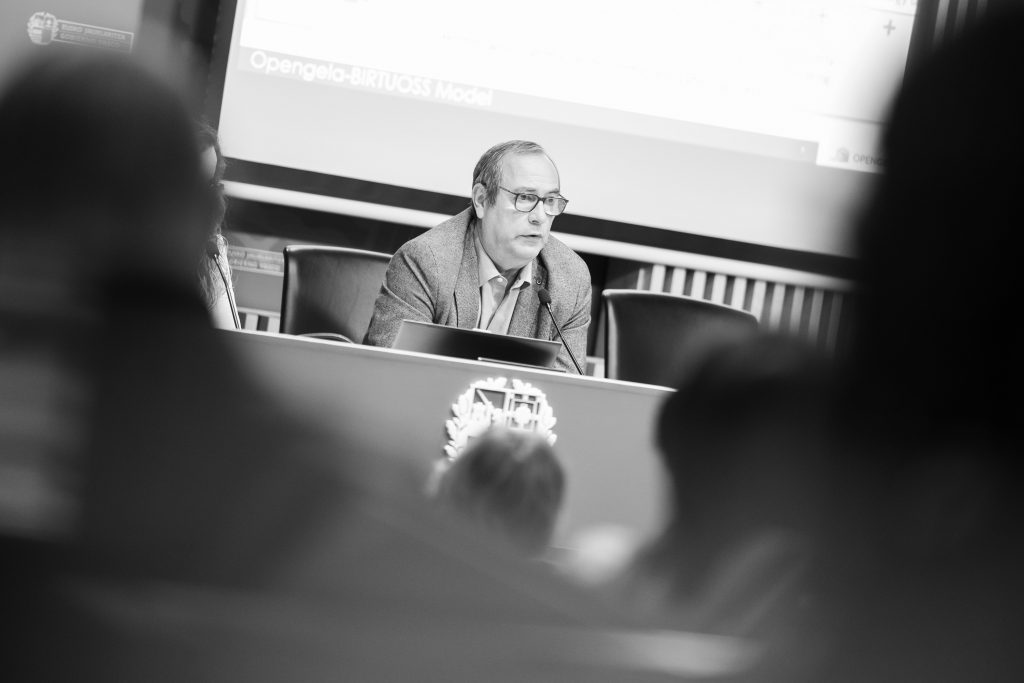
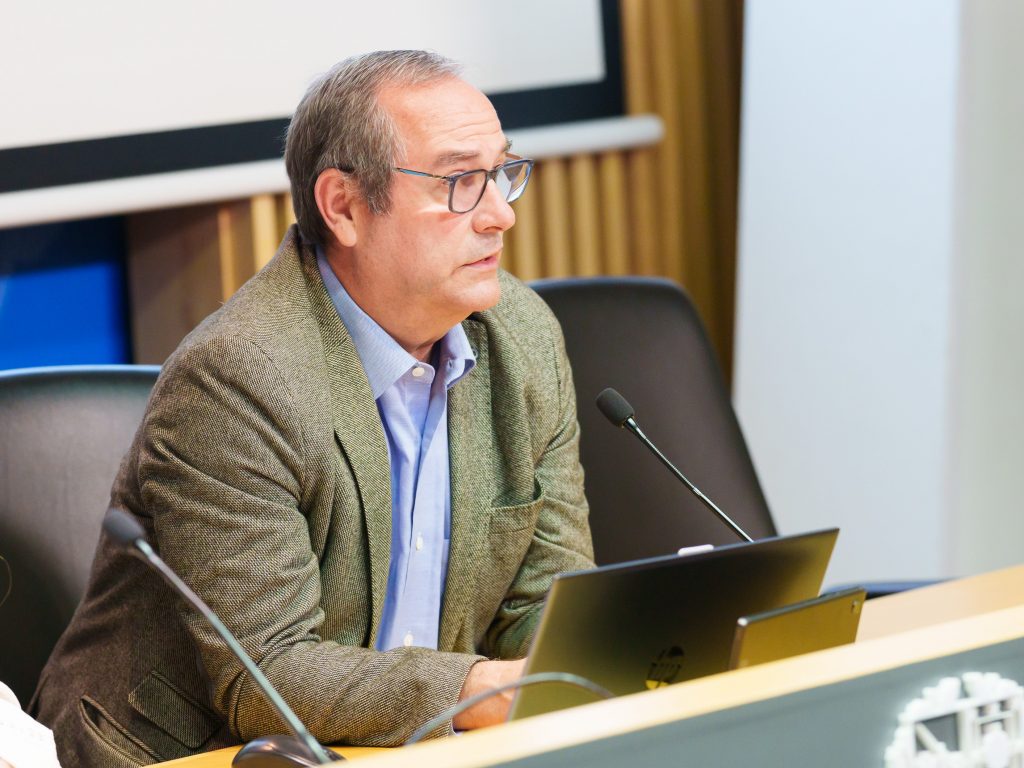
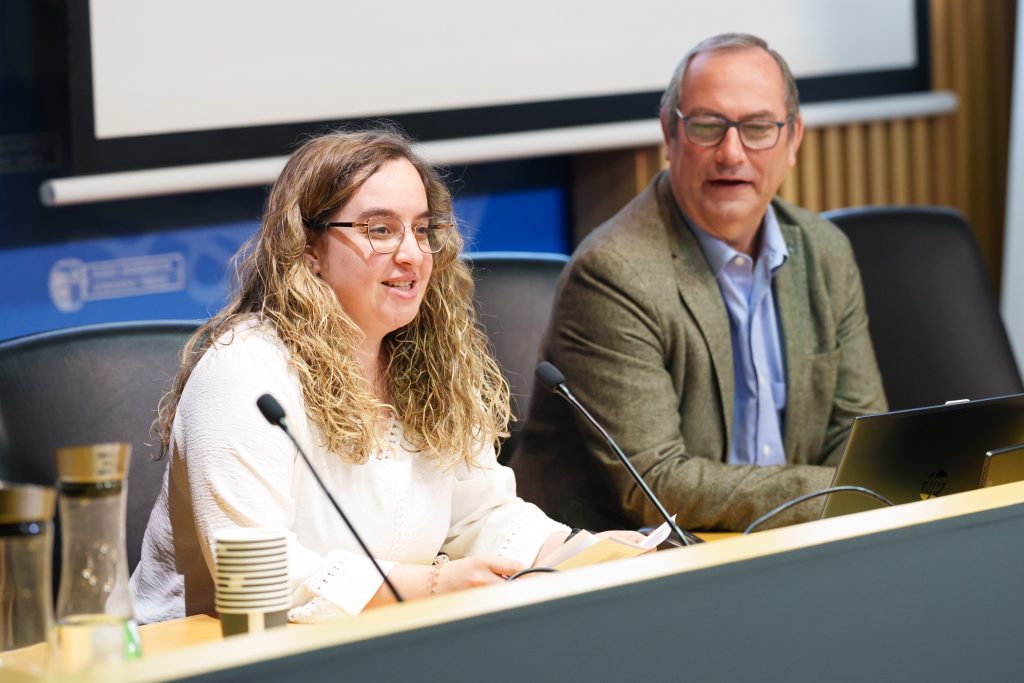
- Ignacio de la Puerta, director of Territorial Planning and Urban Agenda of the Basque Government and coordinator of the BIRTUOSS project, spoke of turning Opengela into ‘a brand that builds trust among the population’.
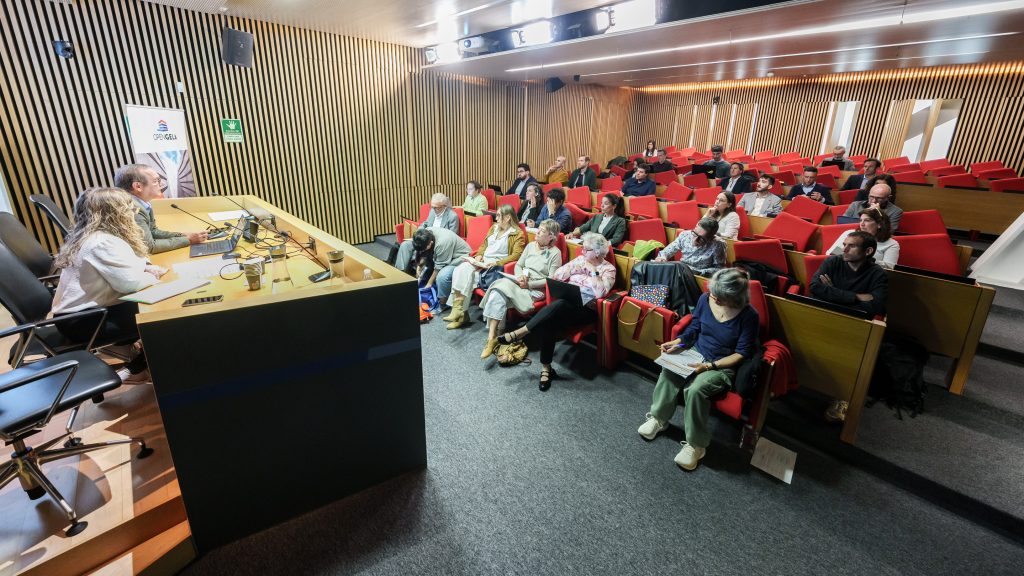
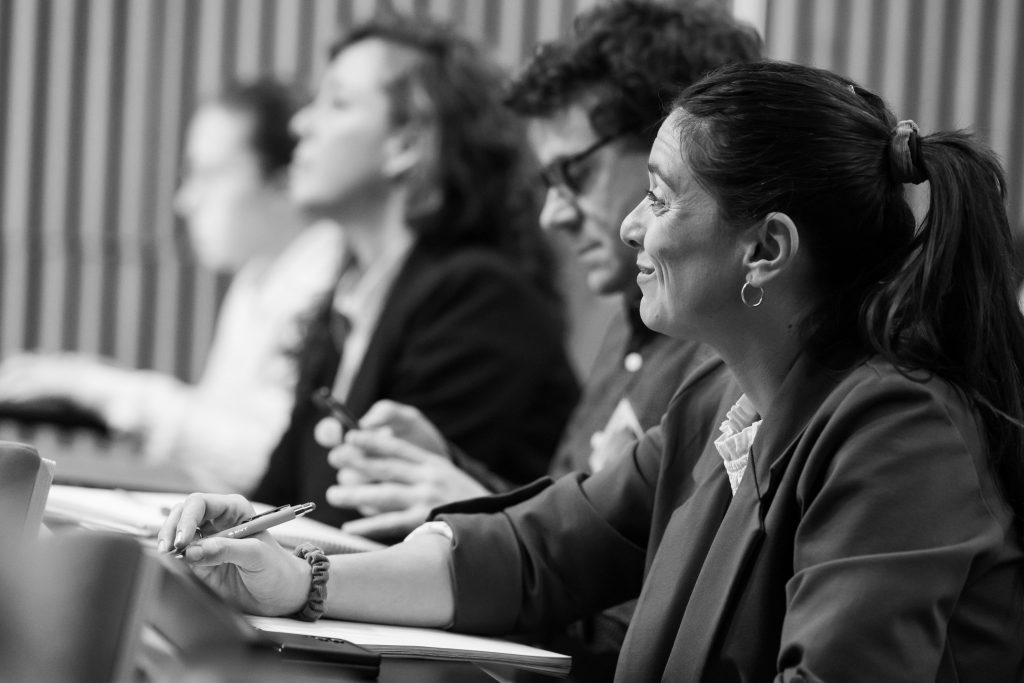
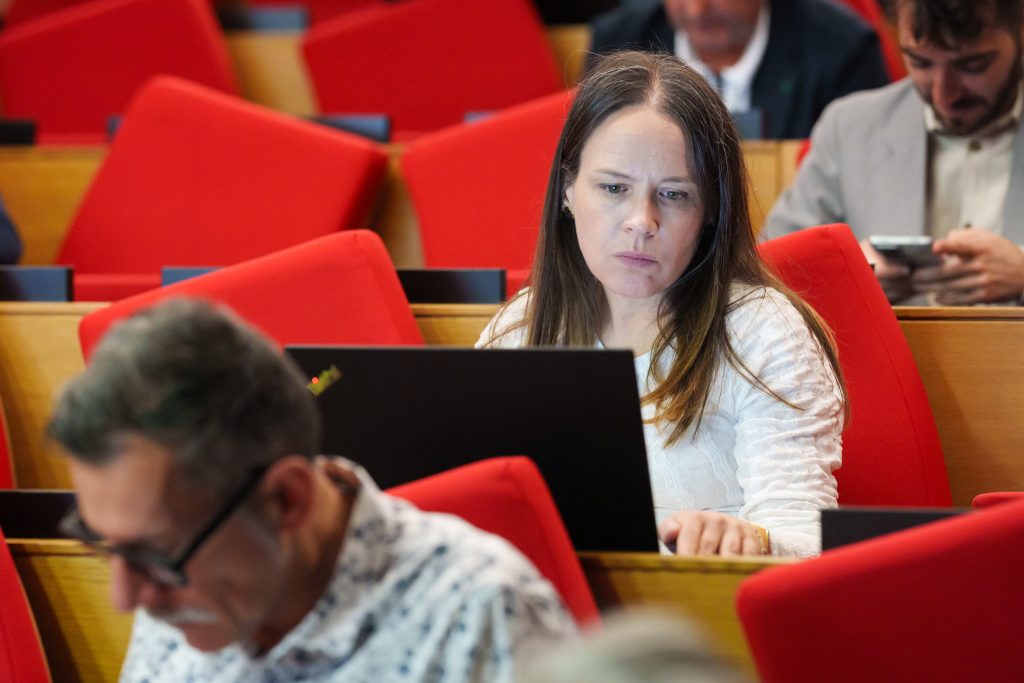
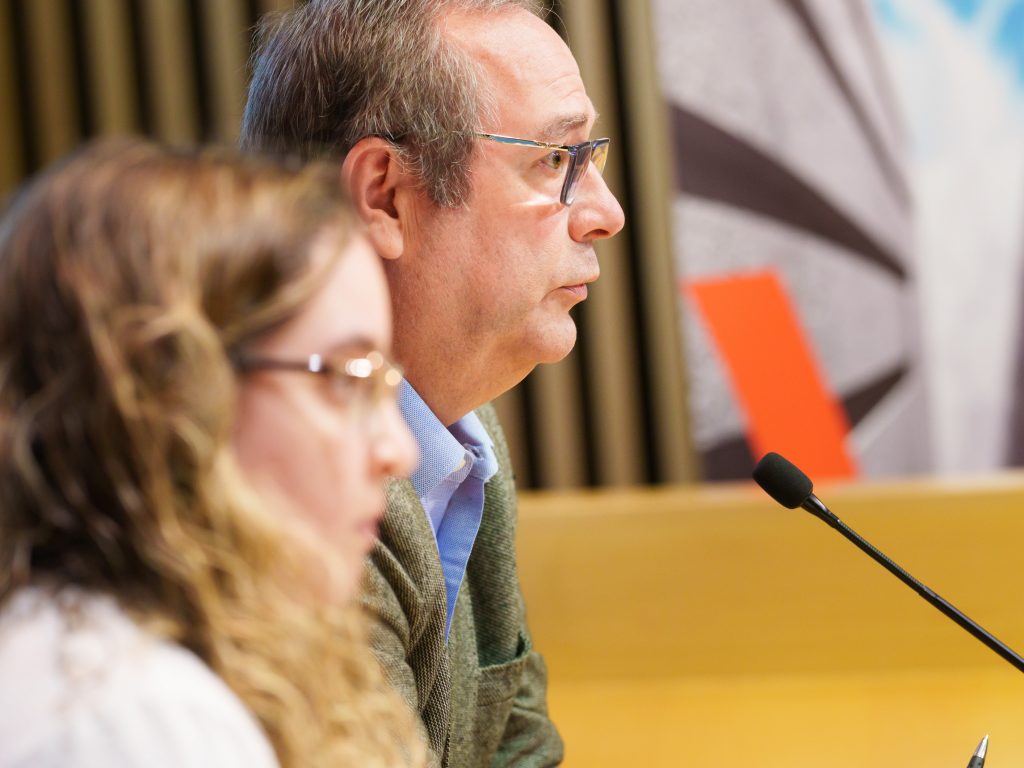
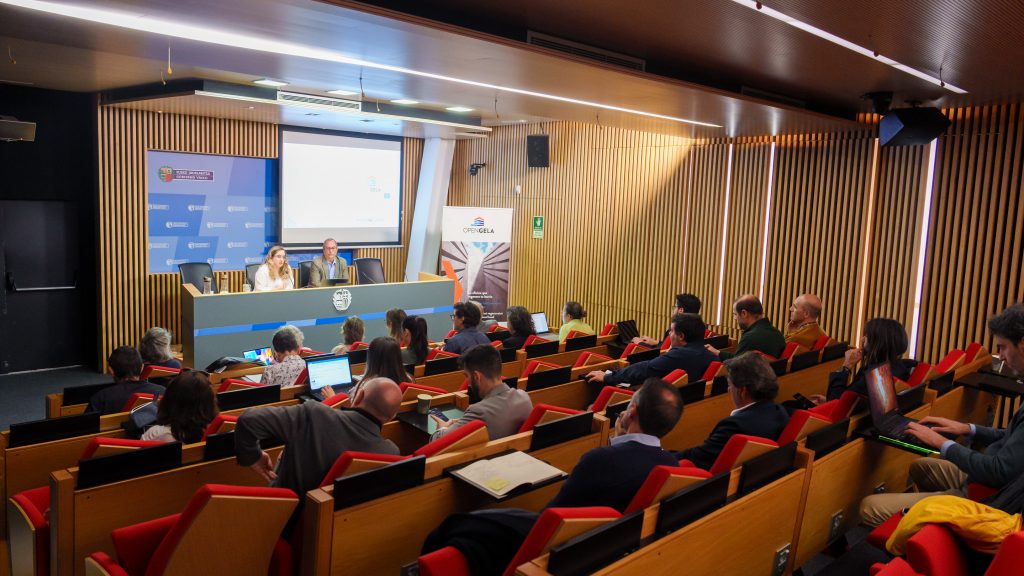
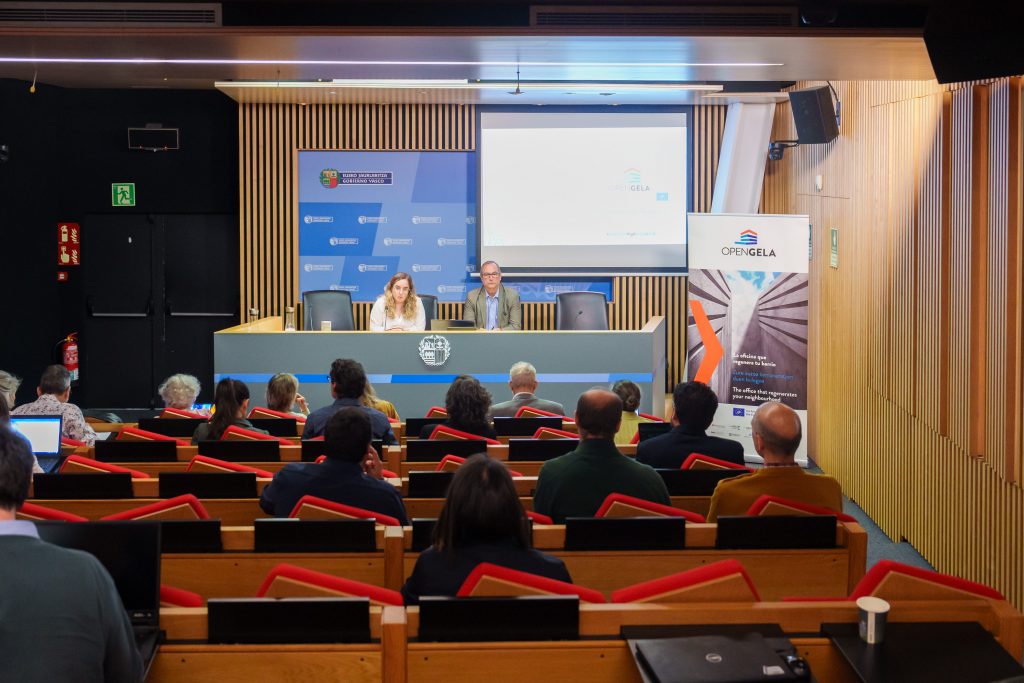
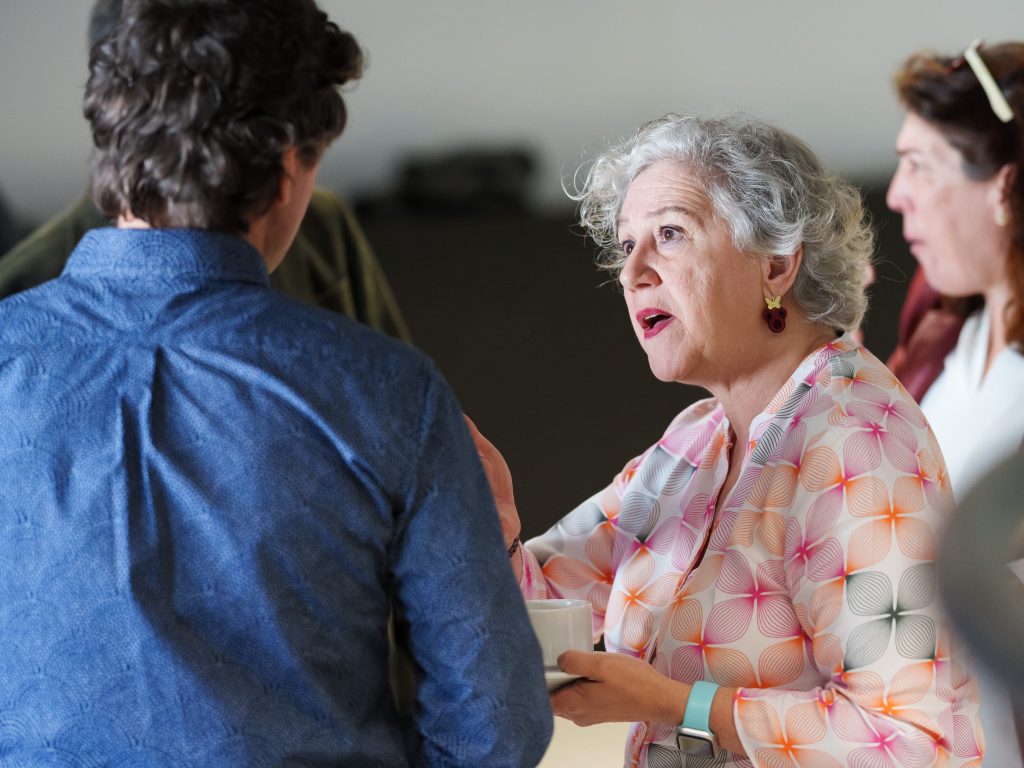
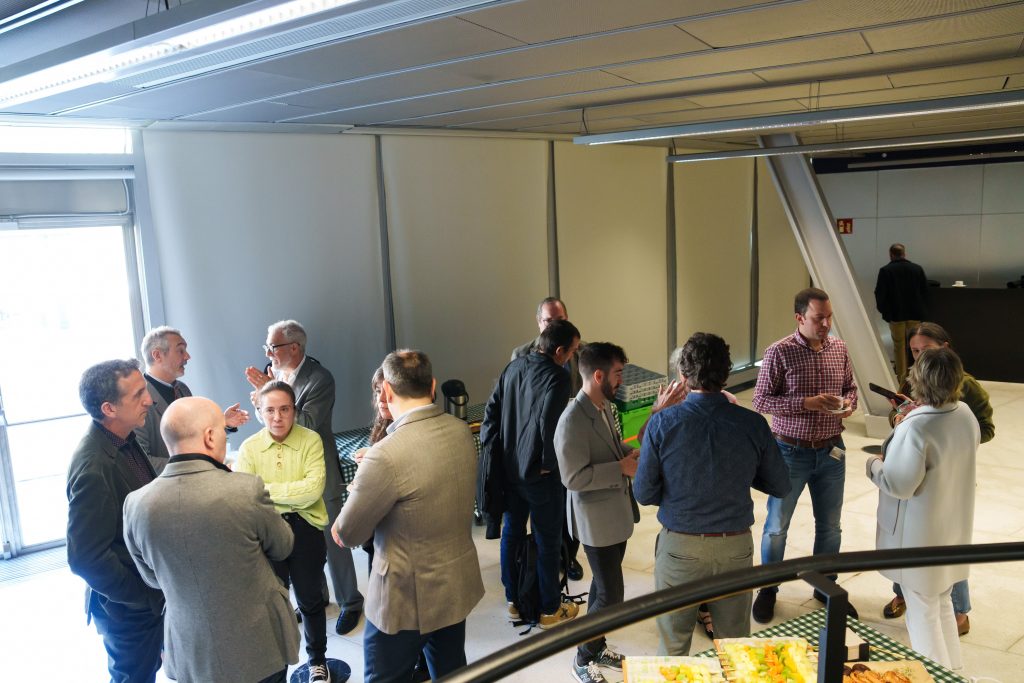
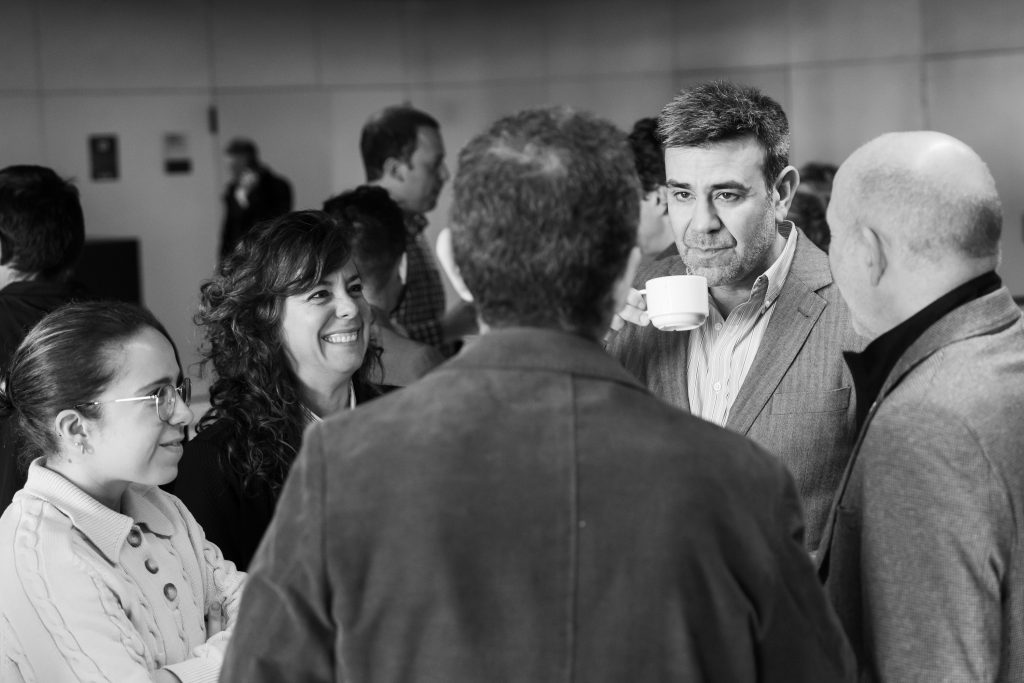
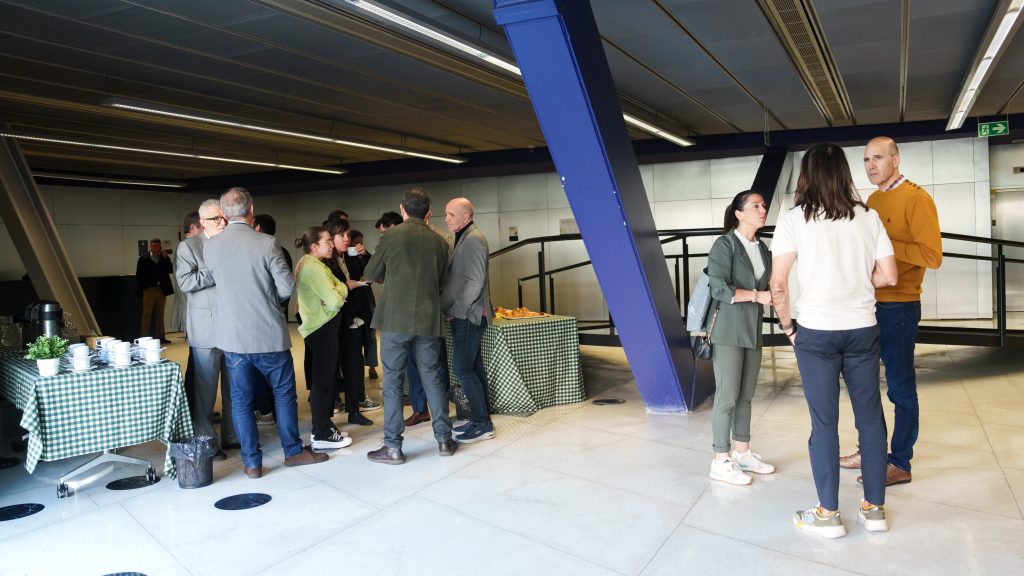
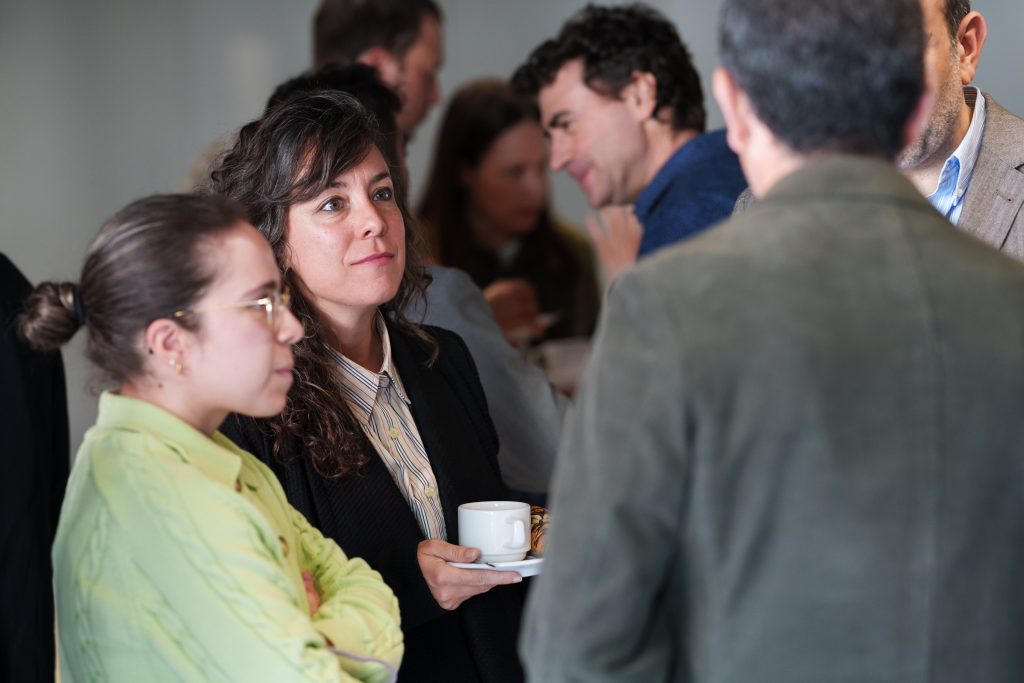
On 24 May, the Plaza Bizkaia Building in Bilbao hosted a workshop organised by Opengela in which several Basque companies related to the construction, environment and digitalisation sectors presented different innovative solutions to be applied in the TorreUrizar neighbourhood in Bilbao, which is being used as a ‘living lab’ or test bench for the European BIRTUOSS project that began in September of 2023.
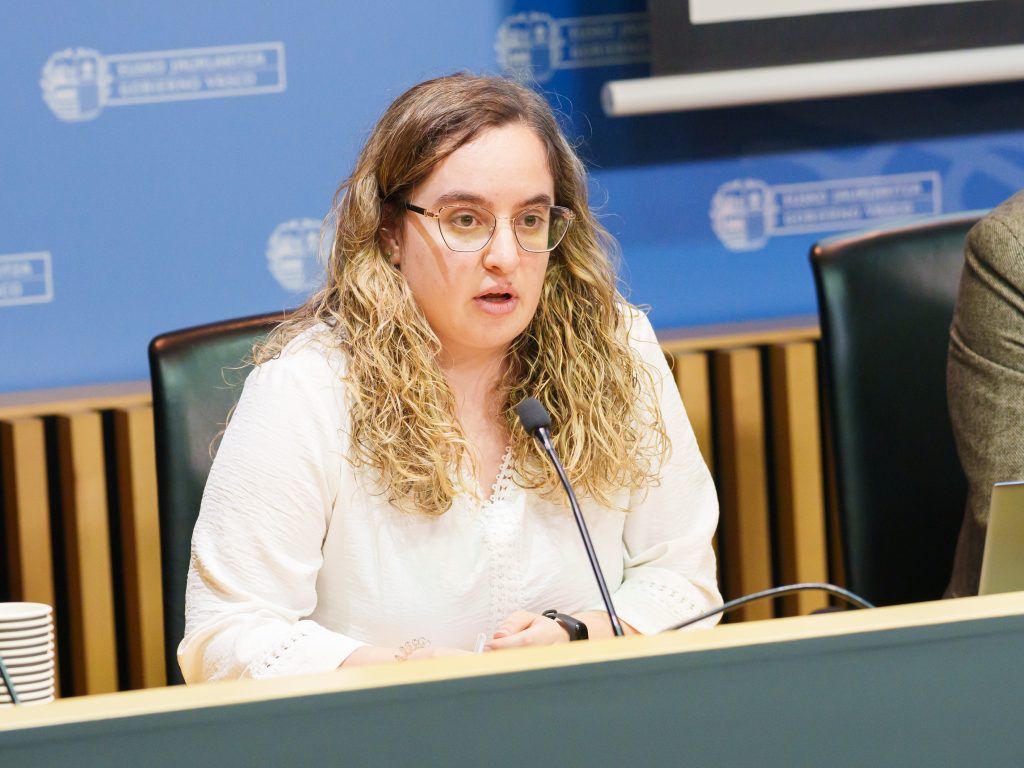
The current objectives at TorreUrizar are to improve accessibility by installing lifts in the entrances that do not have them, reducing energy demand and improving efficiency, for example, by intervening in the building envelope, installing photovoltaic panels on the roof, replacing water heaters with gas boilers or installing radiators in the homes. This was explained by Txari Vallejo, architect of Bilbao Municipal Housing, who also mentioned the provision of an electric petrol station in the building’s car park. ‘With these proposals we achieve savings of around 63%, which, in this way, allows us to reach 80% financing’, explained Vallejo.
In addition, the architect pointed out that ‘consensus, enthusiasm and economic capacity’ are key. ‘We are empowering homeowners’ associations to carry out these interventions. We have achieved the will to rehabilitate’, she said.
In order to implement the innovative solutions presented, public-private partnerships, communication and awareness raising are needed. This is one of the main conclusions drawn from the workshop. Thus, from the Basque Energy Agency (EVE), Sagrario Eneriz spoke of the need to deploy renewable energies, but emphasised that each one must be adapted to the spaces and conditions of the urban environment where they have to be used.
She also raised the idea of self-consumption of energy in public spaces and presented several cases of self-consumption energy communities in the Basque Country, such as the shared self-consumption energy communities in Otxarkoaga (Bilbao) or Lasarte-Oria (Gipuzkoa), or the one in the Txabarri-El Sol neighbourhood in Sestao (Biscay) through the installation of a municipally-owned biomass heat network. What these cases have in common is that they are renewable, local and collective energies. Finally, Eneriz indicated that communication with citizens and open participation is essential in order to involve the whole neighbourhood.
The three Basque clusters participating in Opengela also took part. Build:Inn, which brings together the construction sector, presented some industrialised and energy-efficient solutions with the application of passive and active measures. Marta Epelde began by admitting that ‘renovation works are annoying works for the user’. Therefore, the cluster (formerly Eraikune) presented some active and passive solutions designed to generate the least possible impact on the neighbours.
The most important of the passive ones, and ‘the critical component of energy renovation’, is façade insulation, specifically ETICS, but ‘it is only the beginning’. In fact, at present, the various published directives call for deep and comprehensive renovations, with significant energy savings and, therefore, it is necessary to think about the globality of the buildings when intervening. ‘Let’s not forget about carpentry, thermal bridges, the losses that can be caused by uncontrolled ventilation, poor airtightness, a window that fits poorly into the façade or an old ventilation system,’ she warned.
Active solutions would include, among others, the installation of solar thermal panels or shared photovoltaic systems.
Epelde also spoke of the importance of prefabricated materials and elements in order to carry out the works more quickly and, at the same time, to disturb the neighbourhood as little as possible. She also referred to the people involved in the works, indicating that they must have ‘all that technical sensitivity’, but also know that they are dealing with people.
ACLIMA, and specifically Juan Antonio Gascón, gave the vision of nature-based urban solutions, which as he explained, bring multiple benefits for cities and inhabitants such as mitigation and adaptation to climate change; the creation of bioretention areas for rainfall; human and urban comfort; the improvement of biodiversity, urban agriculture, air and water quality, and the contribution to low-carbon solutions. They also help human and urban health and psychology. ‘This is about re-humanising cities, as the natural habitat of human beings is nature, not asphalt,’ said Gascón.
On a building scale, there are, for example, green roofs or façades, and on an urban scale, green shading or permeable paving. There are already several places in the Basque Country where these solutions have been put into practice, such as the Europa Conference Centre (Vitoria-Gasteiz), Legazpi, Igeldo or Idiazabal. At the national level, Barcelona is one of the pioneers and several actions of this type have been carried out there.
Even so, Gascón indicated that, although it is true that there are already companies that apply this type of nature-based solutions, they do not do so because there are other factors that affect them, such as a lack of public awareness.
Finally, Itziar Vidorreta, from GAIA, gave the point of view of solutions based on knowledge technologies. Vidorreta insisted that, in a model such as Opengela’s, ‘collaboration between clusters is fundamental’. She also presented a technological mapping with existing solutions that are currently on the market.
Vidorreta highlighted the so-called GoroldioTEK (‘goroldio’ is Basque for moss), carried out in collaboration with the Autonomous University of Madrid. ‘It is an application of the use of a solution based on nature, which is moss, but with monitoring technologies behind it that serve to control consumption and with a practical application that could be through information panels or even at bus stops,’ she explained.
‘Raising the scale of the building to the neighbourhood’
The day began with a talk by Ignacio de la Puerta, director of Territorial Planning and Urban Agenda of the Basque Government, who leads this project. He made a diagnosis of Opengela since its birth in 2019 as a project funded through the European framework programme Horizon 2020, and which, at present, continues thanks to the trust granted by the European Commission through the LIFE programme with a project called BIRTUOSS. This urban regeneration service through neighbourhood offices that began four years ago in Txonta (Eibar) and Otxarkoaga (Bilbao) has already been extended to 23 other towns in the Basque Country and is an example for other municipalities in Spain and the European Union.
This success encourages further improvement and one of the main objectives of this new stage is to raise the scale of action from the building to the neighbourhood through a model that is flexible, inclusive and simple, including key aspects such as energy efficiency; affordable financing; a legal framework for the simplified provision of services; ICT tools and digitalisation of homes; the Building Passport; nature-based solutions or training and advice on energy use. In addition, the aim is to integrate the social dimension, making it possible to tackle energy poverty, health and improve communication and co-design strategies to involve the user in decision-making. In short, the neighbourhood will be at the centre of the regeneration process.
The project coordinator underlined the need for the creation of a management entity through collaboration between the various public-private project partners to generate a brand that will build trust among the population.