
Proximity, innovation and neighbourhood: Opengela shares its model at the Annual Conference of the Urban Rehabilitation, Renovation and Regeneration Group
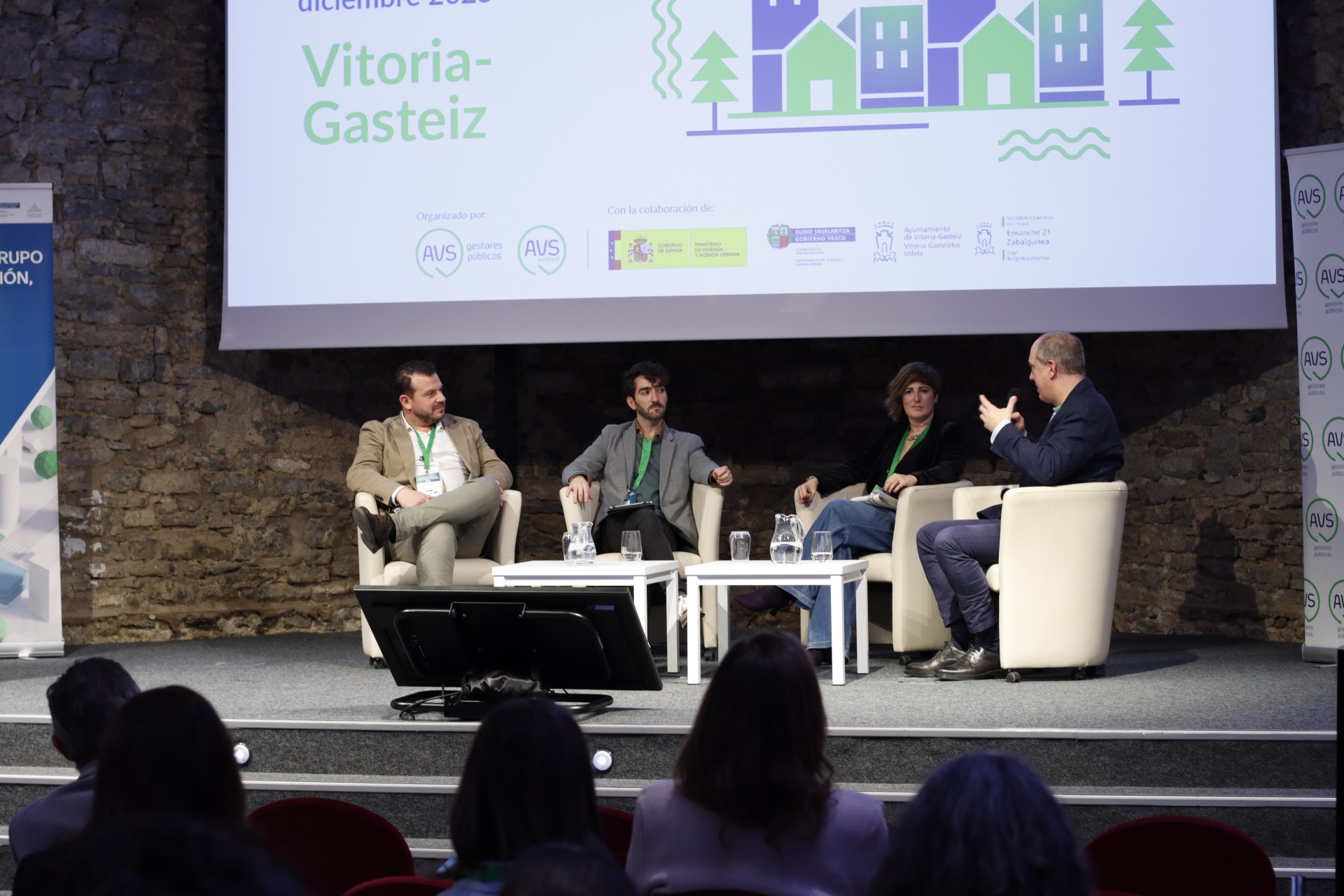
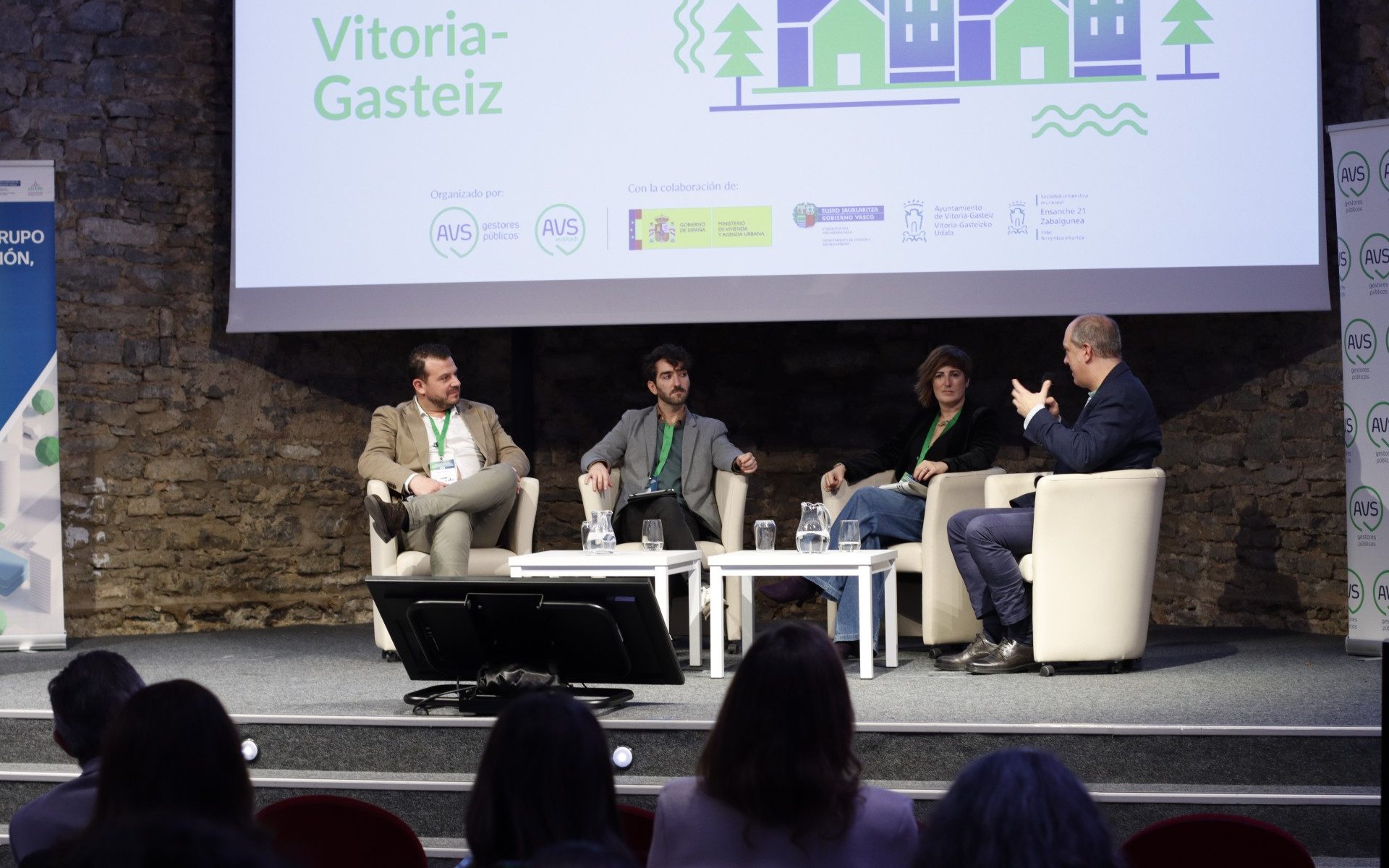
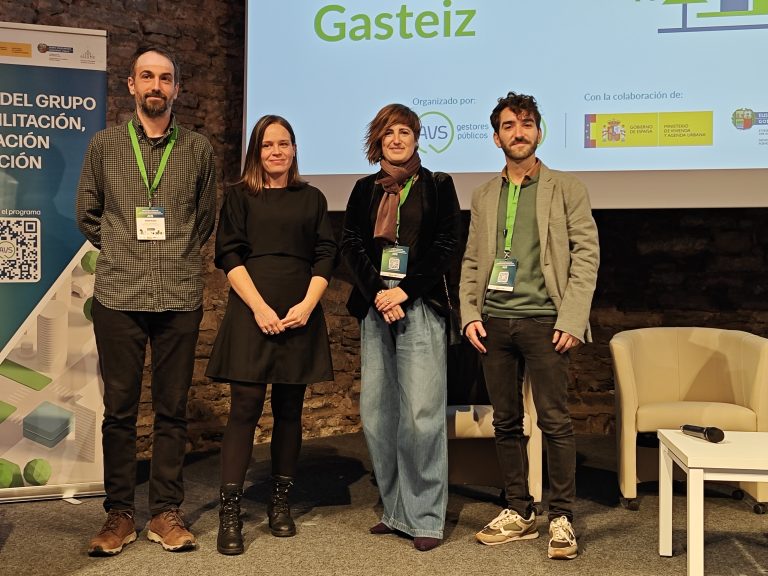
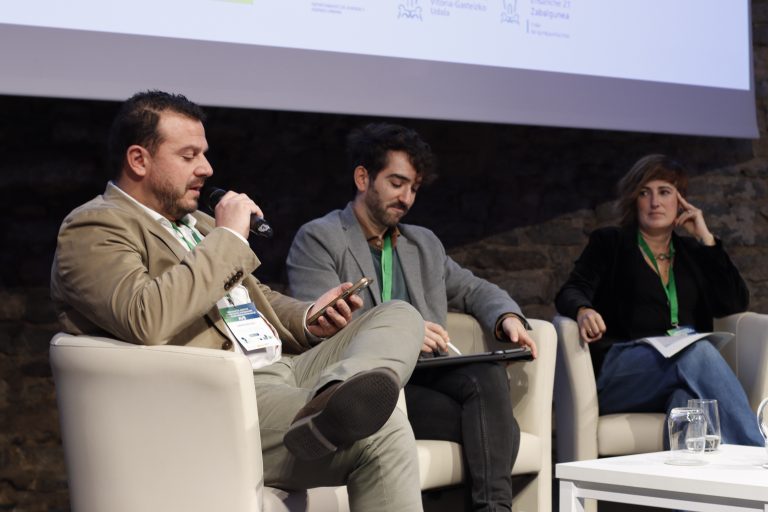
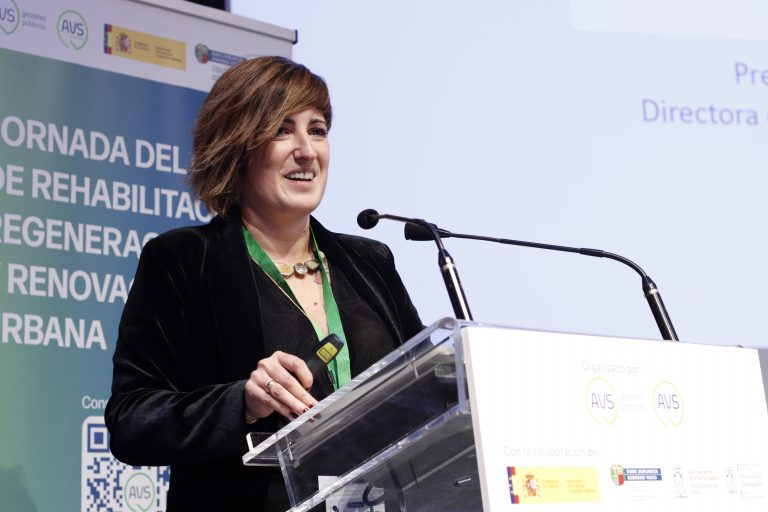
On Friday, 12 December, as part of the Annual Conference of the Urban Rehabilitation, Renovation and Regeneration Group (3R) organised by AVS and AVS Euskadi, held in Vitoria-Gasteiz, a panel discussion was held on “Innovation projects in the field of urban rehabilitation and regeneration”. Participants included Ana Telleria, director of Neighbourhood Regeneration and Urban Agenda for the Basque Government and leader of the European BIRTUOSS project (operating under the Opengela brand), and Miguel Segovia, Policy Coordinator for GBCE (Green Building Council Spain) and partner in the project.
Telleria emphasised that the central focus of the Opengela programme is neighbourhood offices, designed as local spaces where citizens are supported in making decisions about the renovation of their buildings and surroundings. She highlighted the importance of the Urban Vulnerability Inventory, which will take on even greater prominence as it becomes the basis for future subsidy programmes. Telleria stressed that multi-level governance is essential to address current challenges, based on collaboration between local, regional, national and European administrations, as well as on trust, a comprehensive diagnosis and a non-institutional approach that brings public policies closer to neighbourhoods.
During the Q&A session, Telleria focused on the challenge of integrating all rehabilitation tools into a single coherent system, where the one-stop shop acts as a clear reference point for citizens. A space that offers diverse information, but with a clear and consistent message, facilitating informed decision-making and strengthening neighbourhood and community awareness, which is key to raising awareness, building trust and reducing fears.
On his part, Miguel Segovia highlighted the role of GBCE as an ally for the transformation of the building sector and emphasised its work in developing tools to assess the sustainability of buildings, creating technical solutions and disseminating information through talks, conferences and courses. He also stressed the importance of initiatives such as the EU Peers community, which aims to integrate and support the various agents involved in the renovation process, with more than 75 organisations in Spain and more than 400 in Europe. In this project, GBCE actively contributes to defining the role of the Renovation Agent, promoting renovation offices and influencing public policies and regulatory frameworks, laying the foundations for an increasingly solid sector at national and European level.
Segovia also addressed one of the major challenges facing the sector: how to raise public awareness about renovation. He pointed out the need for a coordinated effort in terms of messaging, connecting with issues that are important to people, such as comfort, health, quality of life, safety and independence, without forgetting resilience in the face of climate change. ‘We need real communication campaigns, with consistent messages shared across the sector,’ he said.
The panel made it clear that innovation in urban regeneration does not depend solely on technical solutions, but also on new forms of governance, communication and citizen engagement, which are fundamental pillars of projects such as Opengela.
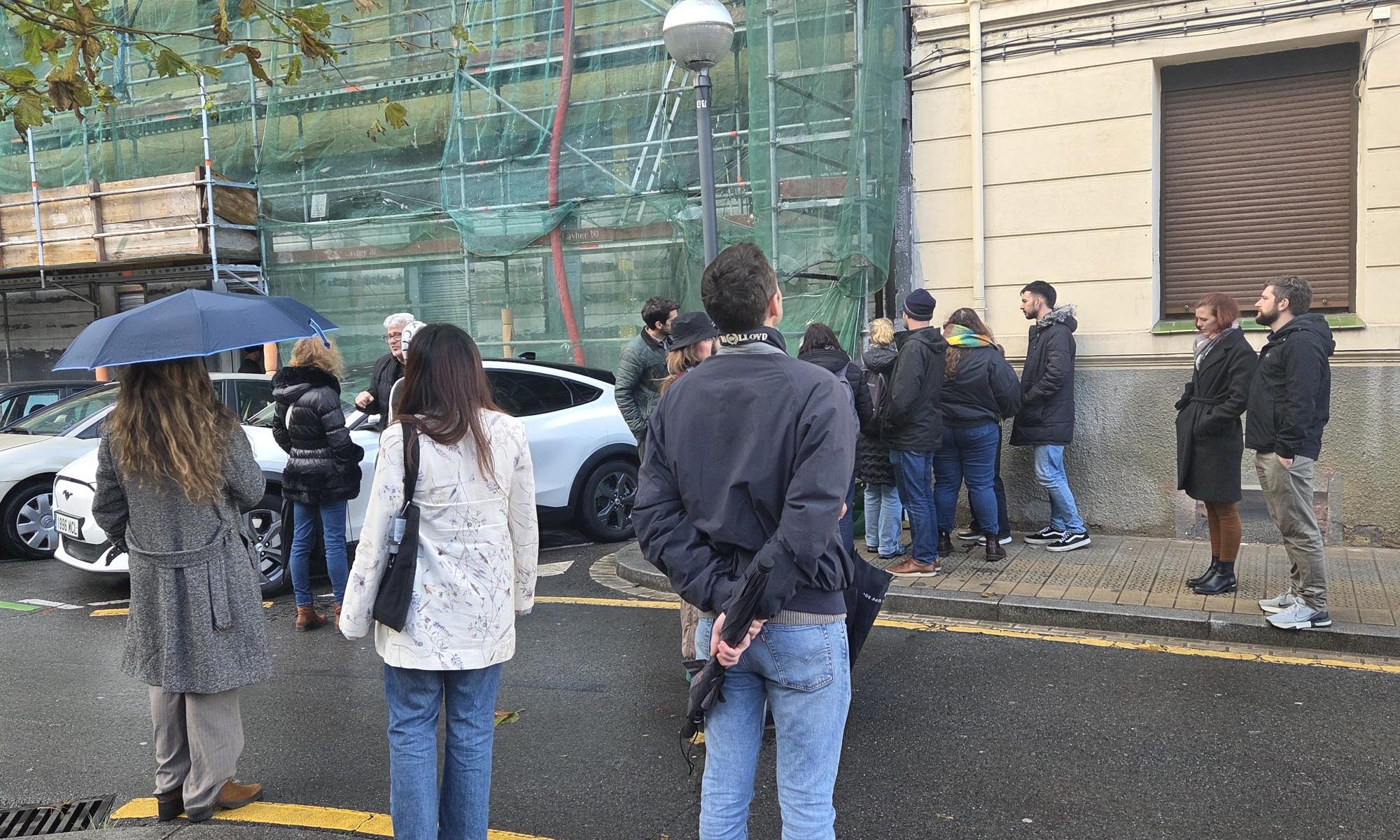
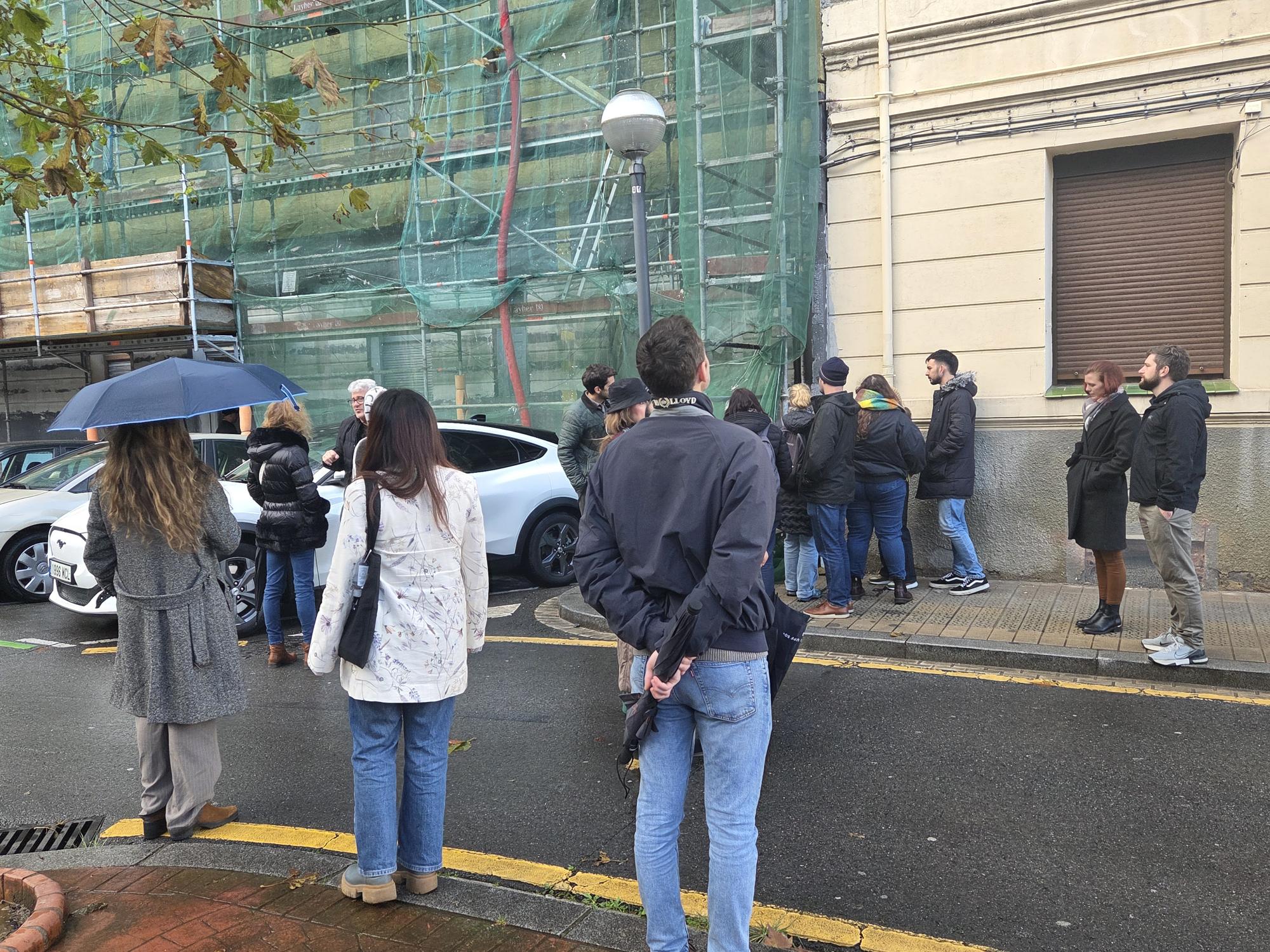
Other BIRTUOSS partners also took part in the conference, such as Cíclica (through Ander Bilbao). The programme included a visit to the Zaramaga neighbourhood in Vitoria-Gasteiz, where a neighbourhood office of the Opengela programme is promoting urban regeneration work. Txari Vallejo, architect at Bilbao Municipal Housing, attended the visit.
OPENGELA NEWSLETTER
Receive all news related to Opengela