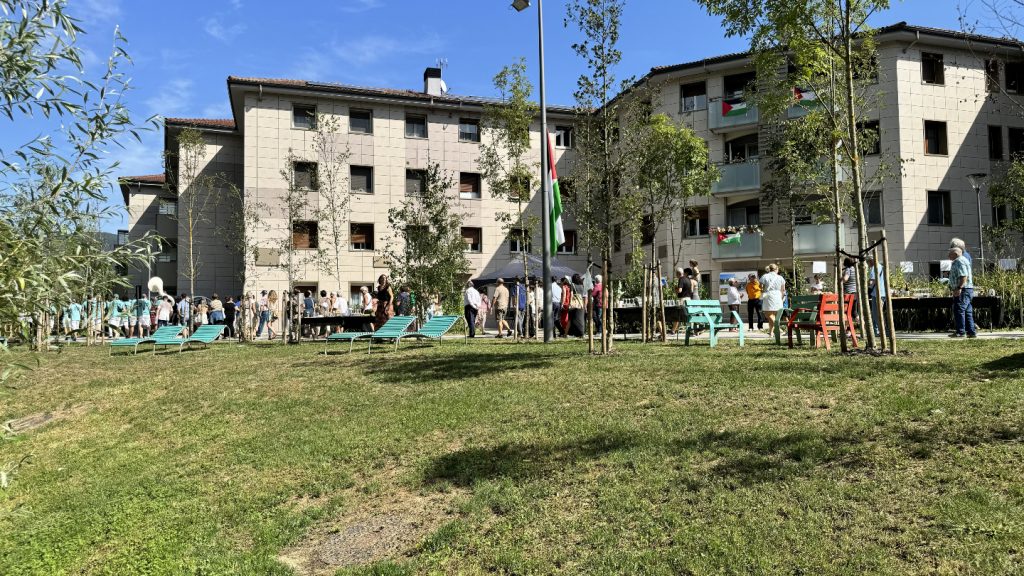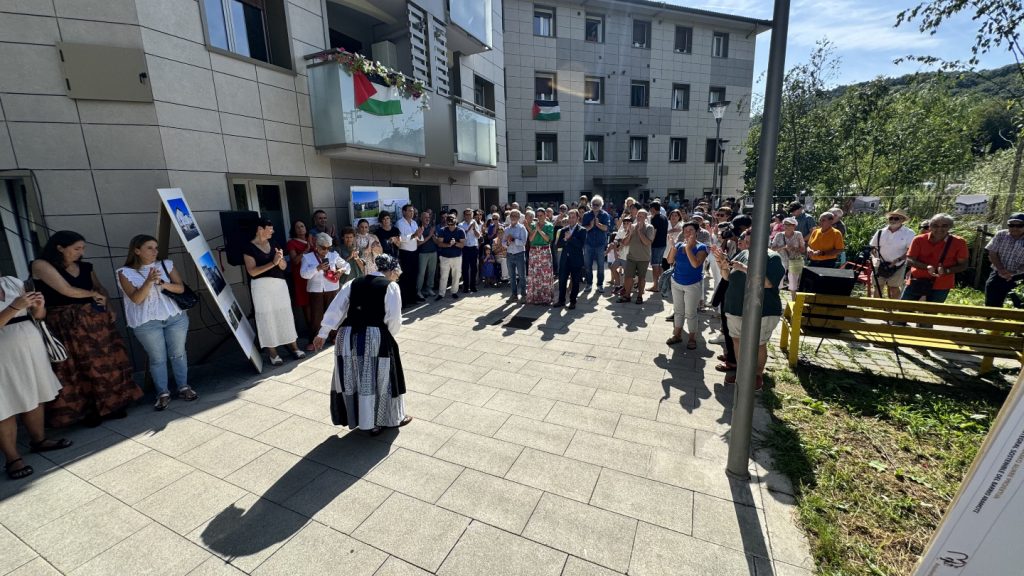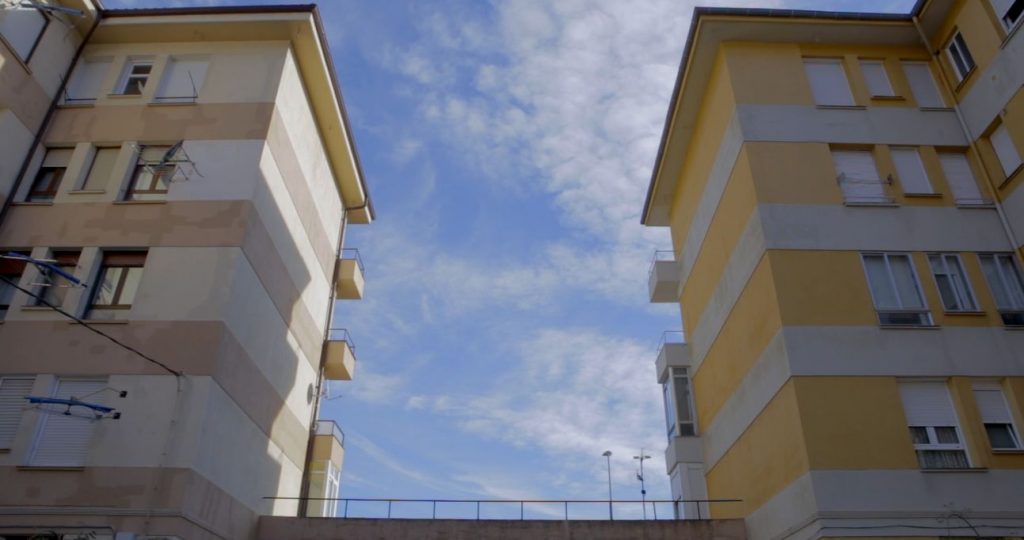
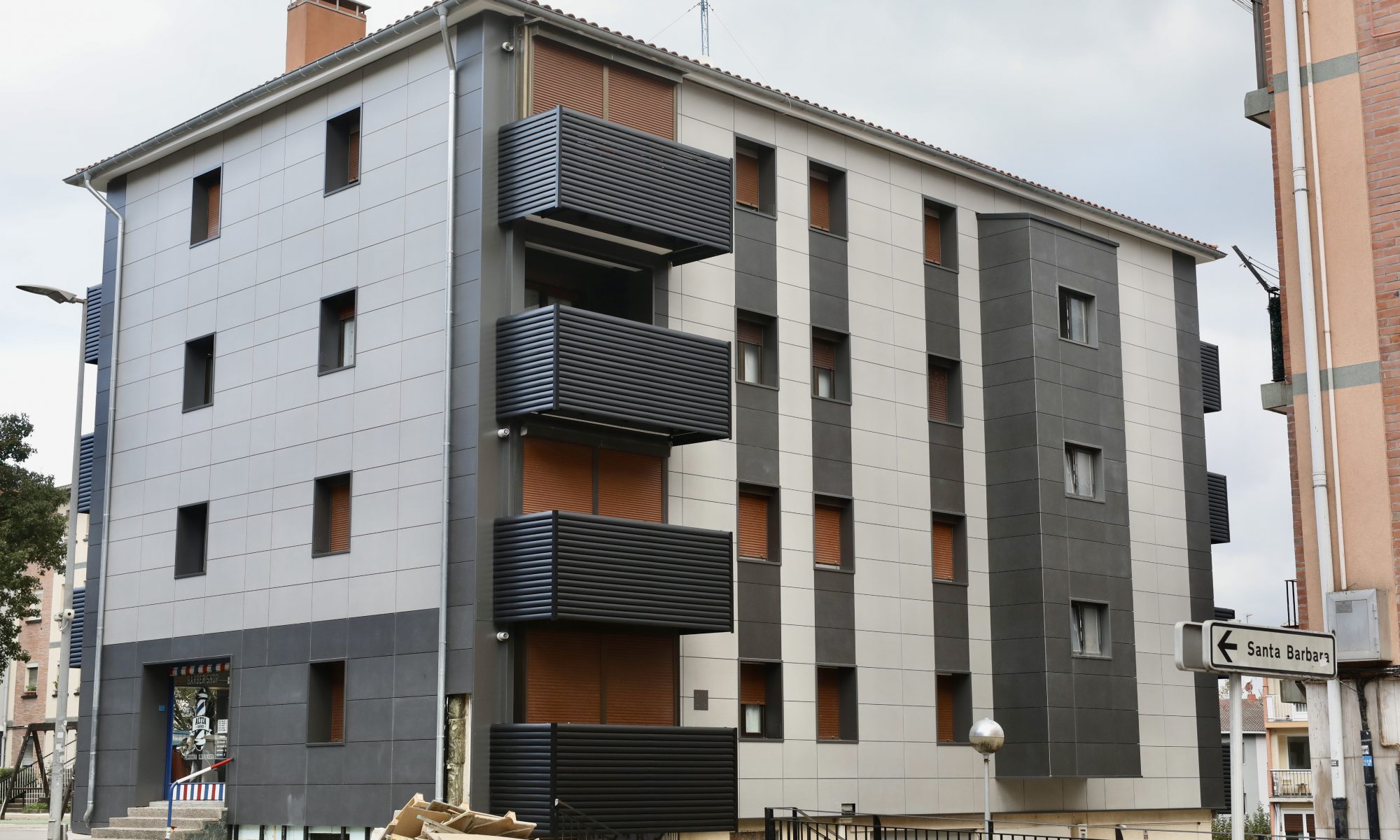
The comprehensive refurbishment of 202 homes in Altza (San Sebastian) will be finished before the end of the year
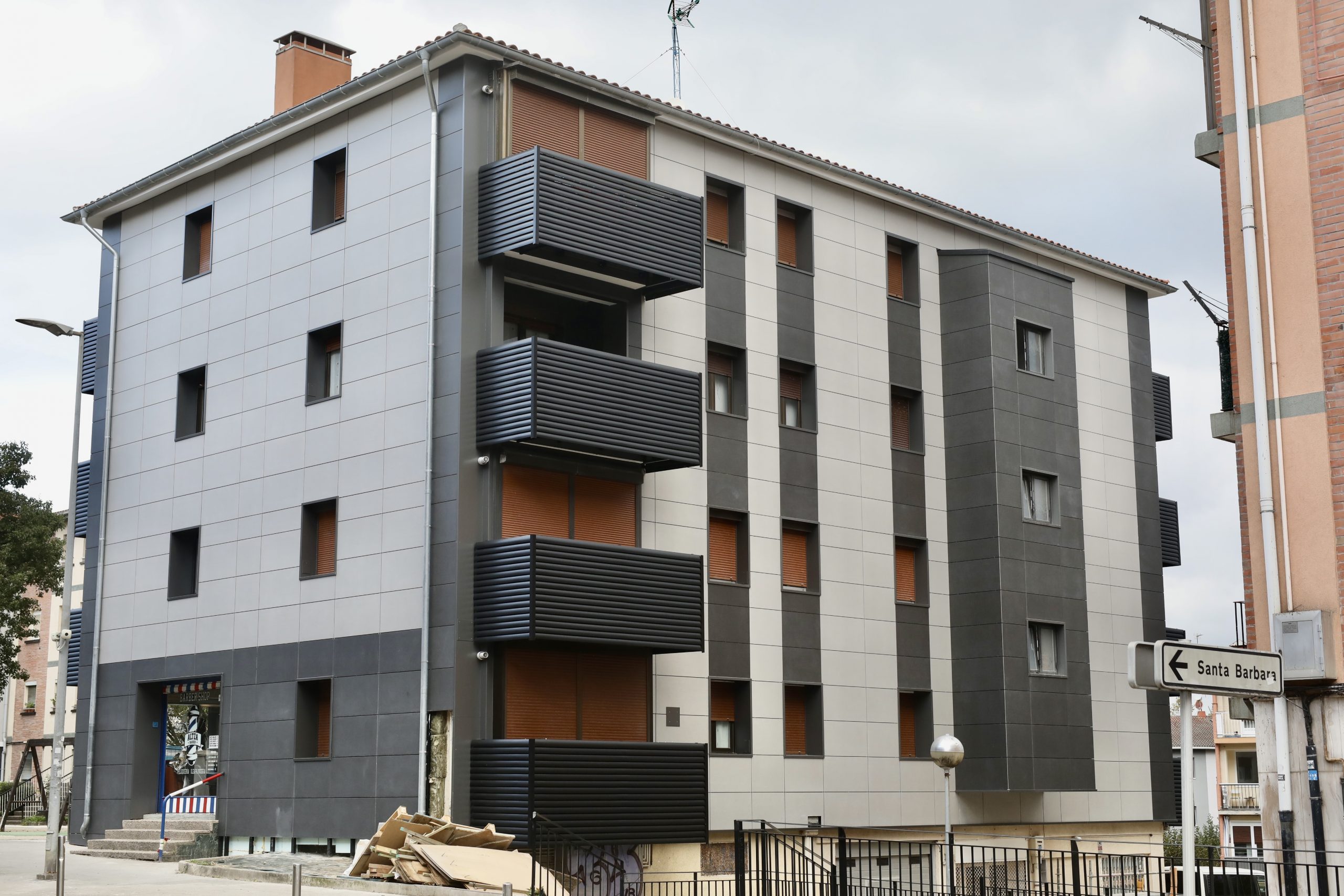
The comprehensive refurbishment of 202 homes in Altza (San Sebastian) will be finished before the end of the year

Picture: Durango Town Council
  • The project, which involves eight buildings and a semi-detached house in the San Sebastian neighbourhood, represents a total investment of €15.1 million.
  • It also includes the redevelopment of public spaces, landscaping work and energy and sustainability improvements, among other measures.

With around 20,000 inhabitants and more than 8,900 homes, Altza is one of the most densely populated neighbourhoods in San Sebastian. More than 85% of its residential stock was built before 1981, making comprehensive investment in refurbishment and modernisation essential. The works, which have been underway since the second quarter of 2024, are now entering their final phase, with all comprehensive refurbishment work expected to be completed by the end of the year. However, work on public spaces is expected to continue throughout 2026.

This is one of the largest operations promoted by the Department of Housing and Urban Agenda, with a total investment of €15.1 million: €9.2 million contributed by the Basque Government through PIIE funds; €3.2 million by Donostia City Council and €2.6 million from the neighbourhood.

The first line of action has focused on the extensive renovation of residential buildings, reaching a total of 202 homes distributed across eight homeowners’ associations and one semi-detached house, located in the most vulnerable areas of the neighbourhood. These actions improve accessibility, energy efficiency (with an approximate economic saving of 60%), habitability and fire protection, and reinforce structures and adapt buildings to current regulations. The ventilated façades incorporate a metal substructure, air chamber and thermal insulation, thus improving the interior temperature and humidity. In addition, several entrances have newly constructed external lifts.

At the same time, to support communities throughout the process, a neighbourhood office (Opengela) has been set up to offer local, professional advice on procedures, information and resolving queries, encouraging active community participation.

The project also includes the redevelopment and improvement of public spaces, with the renaturalisation of streams in Auditz Akular; the recovery of contaminated soil in the Larres Watercourse; and the creation of greener environments in Ederrena Square and the accesses to the Herrera pelota court. In addition, the routes to the Altza health centre and the Harri Berri ikastola (Basque-medium school) are being improved, with the aim of facilitating mobility for hundreds of families.

In terms of energy sustainability, local energy communities have been set up: a photovoltaic plant on the roof of the Altza public school supplies 13 buildings and public facilities with 98,075 kWh per year, and another plant in the sports centre will produce 377,505 kWh per year in a shared self-consumption scheme that will benefit municipal facilities.

The digitisation of homes allows real-time monitoring of parameters such as air quality, humidity, temperature, CO₂ levels and energy consumption, and provides families with tools to optimise energy use and improve their comfort and health.

The project also highlights the value of Lau Haizeta Park, renewing signage by designing environmental trails with QR codes. A study of visitor numbers has been carried out to guide future improvements, consolidating a natural space that is widely used by the community.

In this way, the comprehensive regeneration of Altza has established itself as a pioneering project in the Basque Country, both for its economic scope and its social impact. The combination of housing renovation, local services, clean energy, digitalisation and improvement of the urban landscape represents a model to be followed for future operations in other neighbourhoods of San Sebastian and the Basque Country as a whole.

OPENGELA NEWSLETTER

Receive all news related to Opengela
Co-funded by the European Union. The views and opinions expressed are solely those of the authors and do not necessarily reflect those of the EU or CINEA. Neither the European Union nor the funding authority can be held responsible for them.

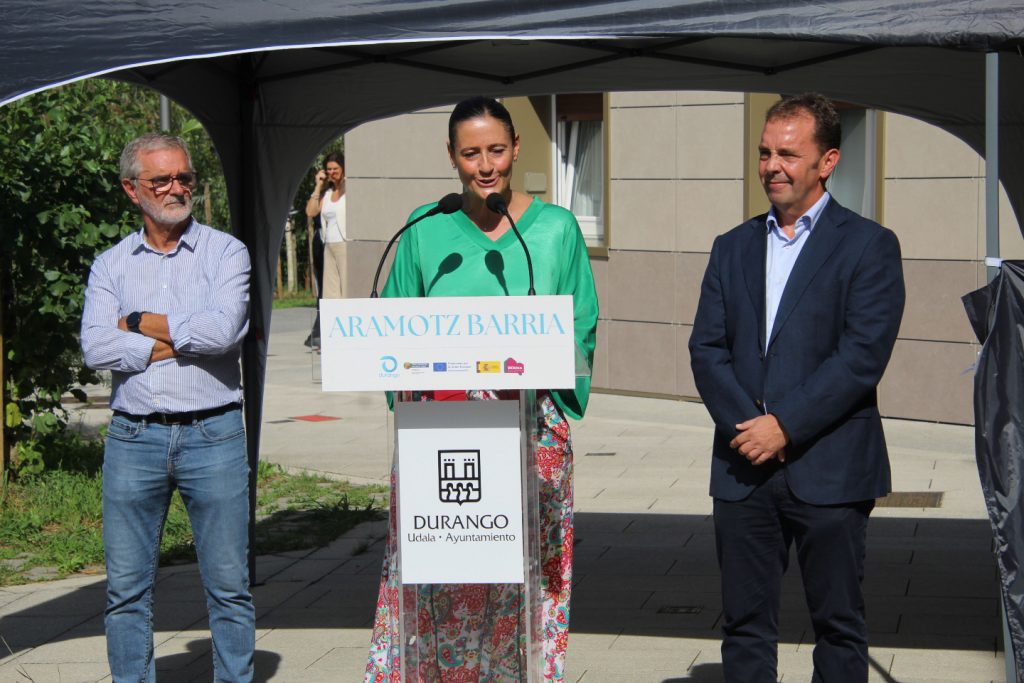
Aramotz, the first neighbourhood in the Basque Government’s Opengela project to complete its comprehensive regeneration

Aramotz, the first neighbourhood in the Basque Government’s Opengela project to complete its comprehensive regeneration

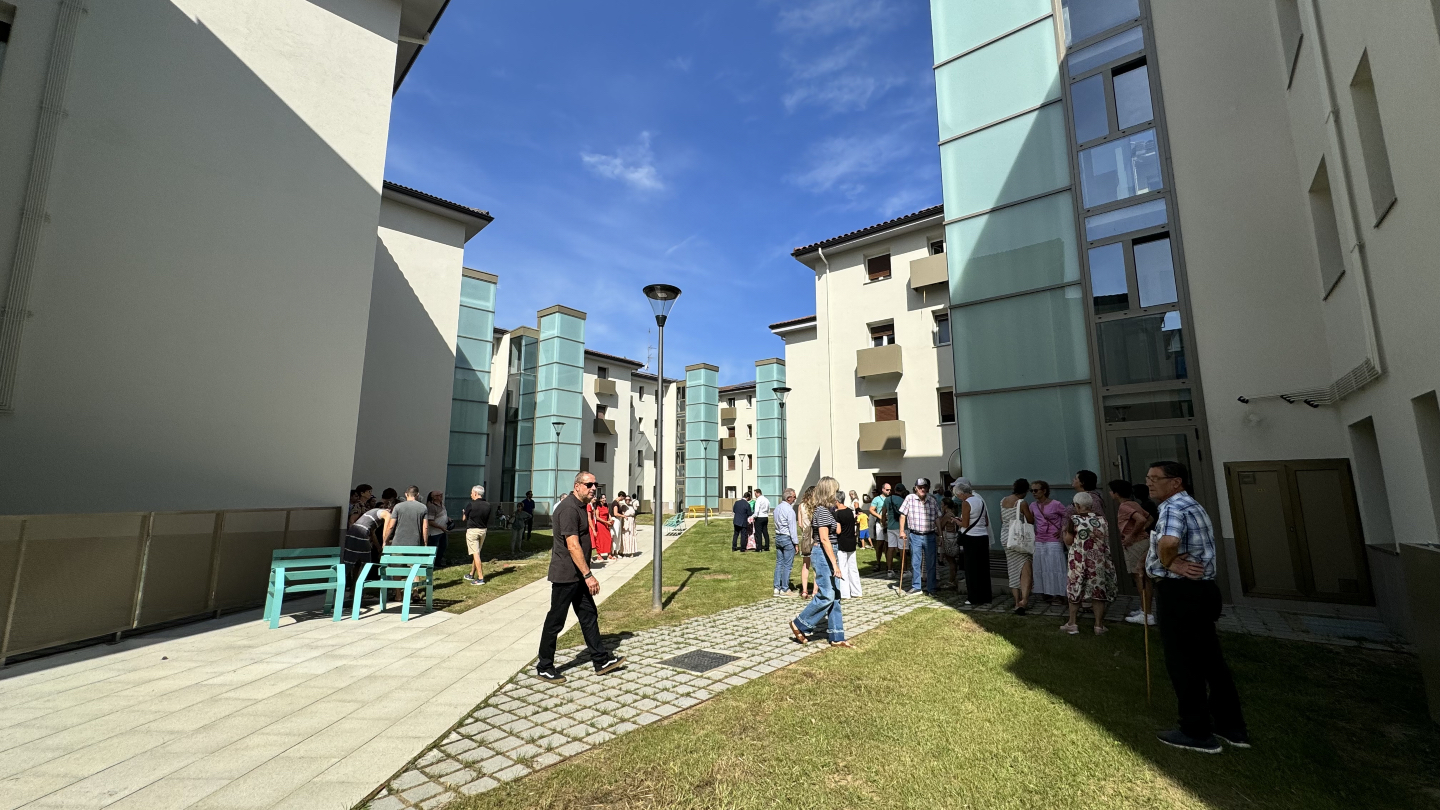
Picture: Durango Town Council
  • The renovation of 130 homes and the reurbanisation of the neighbourhood have involved an investment of €10.8 million, of which €3.3 million (30%) comes from the Department of Housing and Agenda.
  • The project integrates nature-based solutions (NBS) and reduces non-renewable primary energy consumption by more than 60%.
  • Neighbourhood participation and the proximity office (Opengela) have been the cornerstones of the neighbourhood’s regeneration.

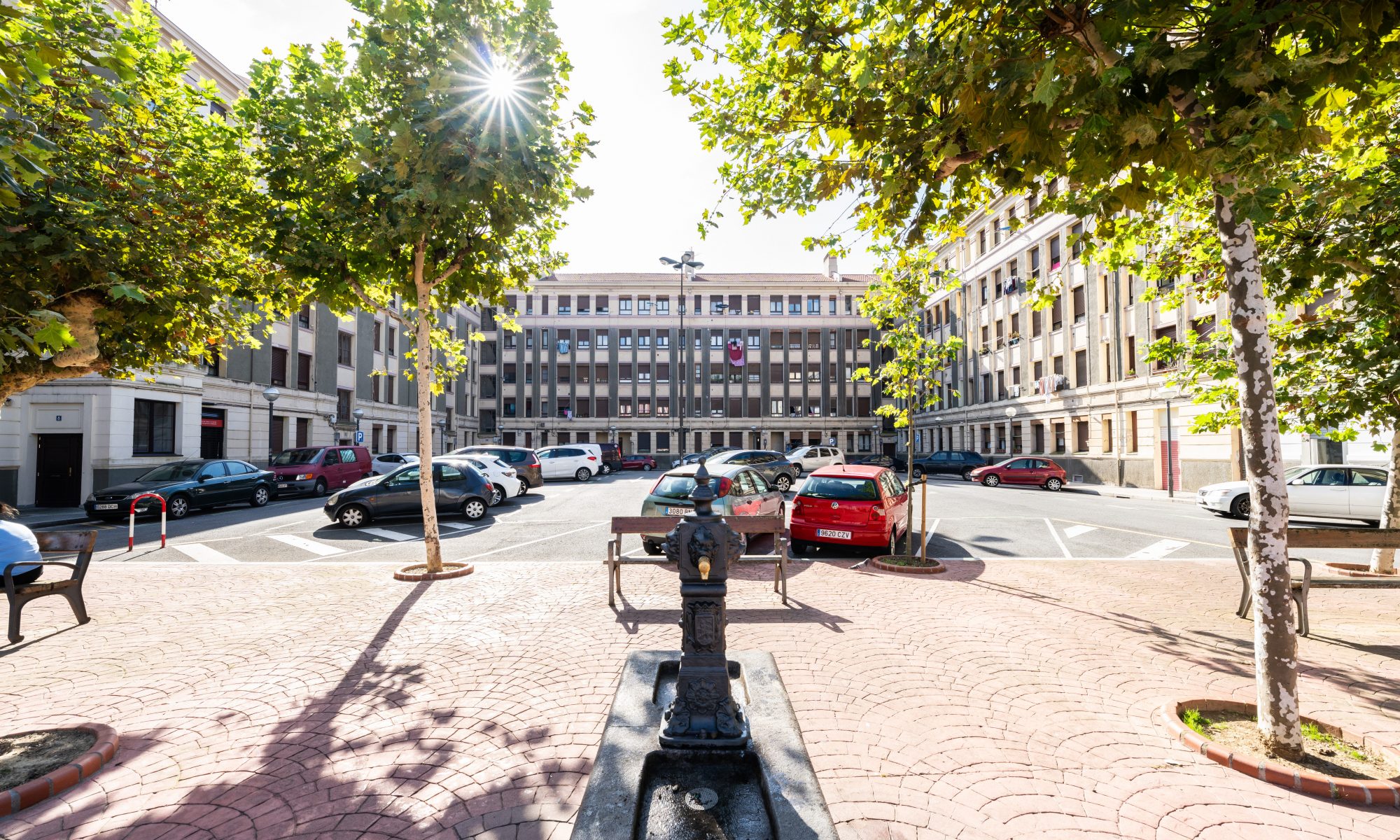
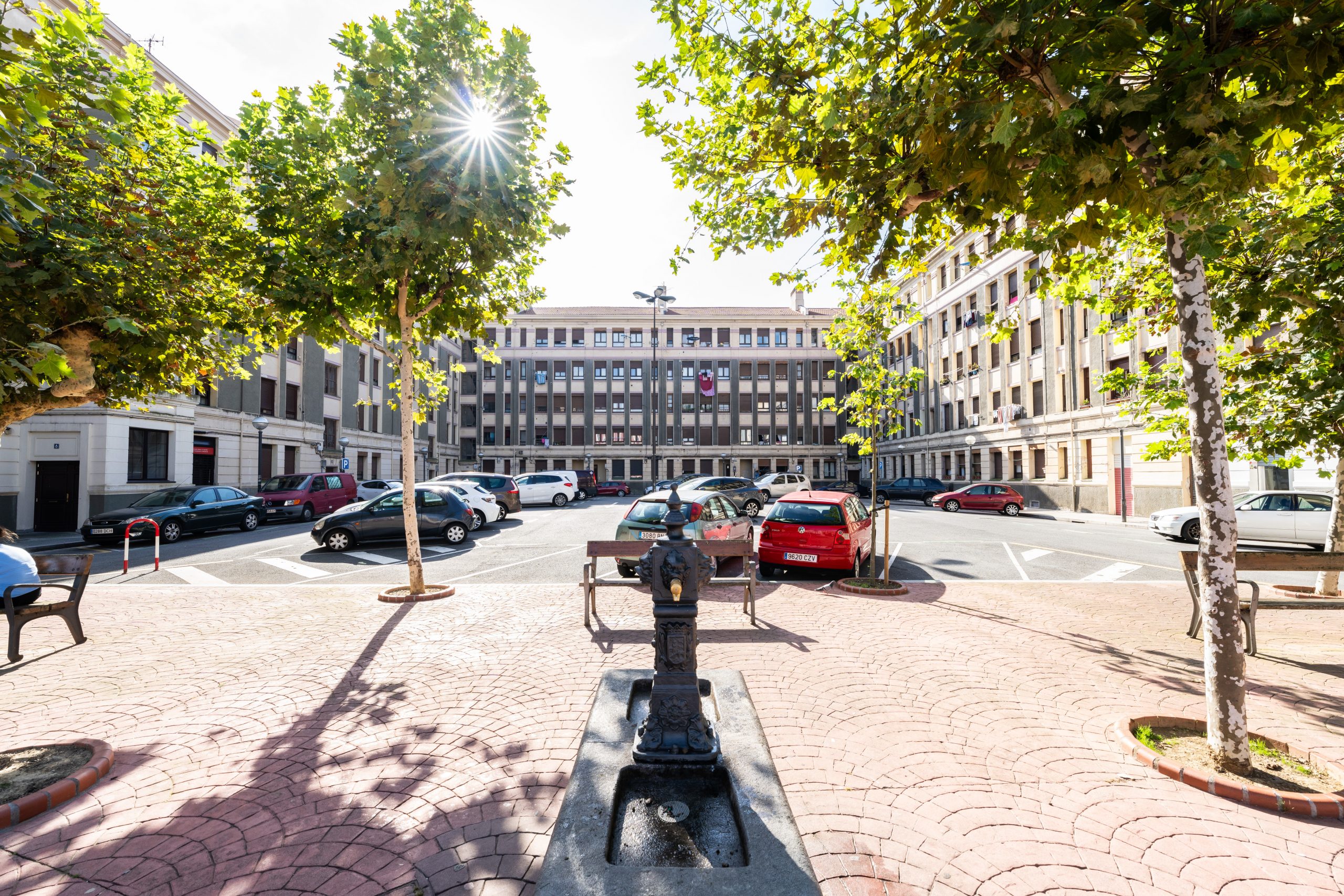
The Aramotz neighbourhood in Durango has reached a historic milestone by becoming the first neighbourhood in the BIRTUOSS-Opengela project to successfully complete its comprehensive urban regeneration process. This achievement represents a decisive step towards more sustainable, accessible and cohesive neighbourhoods, and sets a benchmark for future interventions in the Basque Country.

The intervention involved a total investment of €10,796,589, jointly financed by various entities: the Basque Government’s Department of Housing and Urban Agenda (30.47%), Next Generation EU funds (32.57%), Durango Town Council (18.42%) and direct contributions from local residents (18.54%). This joint effort reflects a shared commitment to promoting a transformation that goes beyond the physical and focuses on improving people’s quality of life.

A renovated and more sustainable neighbourhood

The project involved the renovation of 130 homes and six commercial premises, distributed across 16 buildings with ground floors and three upper floors. The work included the installation of lifts to ensure accessibility, structural reinforcement, the modernisation of facilities and comprehensive improvements to energy efficiency.

One of the keys has been the commitment to sustainability: the interventions carried out have enabled a reduction of more than 60% in non-renewable primary energy consumption, an essential requirement for accessing aid from the Recovery, Transformation and Resilience Plan. This progress not only benefits the environment, but also represents significant savings in energy costs for families.

Nature-based solutions (NBS) have also been adopted as the cornerstone of regeneration. These measures enable nature to be integrated into urban planning and respond to the challenges of climate change through sustainable drainage systems, the renaturalisation of spaces and more efficient water cycle management.

At the same time, the reurbanisation of the neighbourhood has transformed public spaces with the creation of new green areas, pedestrian streets, renovated lighting, modern street furniture and meeting places for community life. The Larrinagatxu stream has also been renaturalised, and the integration of the natural environment with the urban fabric has been improved.

The role of the technical team and neighbourhood

The neighbourhood office (Opengela), managed by the municipal public company Durango Eraikitzen and located in the neighbourhood itself, has been another key element of the project. From there, technical, administrative and social assistance has been provided to the residents’ communities, facilitating the processing of grants, the coordination of interventions and the comprehensive management of the works.

On the technical side, MAAB Arquitectura y Urbanismo was responsible for the design and planning, in collaboration with the SOIL Arquitectura del Paisaje studio. Their work has been recognised for the quality of the project and for the effort made in the comprehensive transformation of the neighbourhood. In turn, the execution of the works has been carried out by Codenor Bizkaina de Rehabilitaciones and Construcciones Intxausti, whose exemplary coordination and rigorous compliance with deadlines have been decisive for the success of the process.

One of the most notable elements of this regeneration has been the active participation of the neighbourhood. Residents have not only contributed financially, but have also been involved throughout the process, making decisions as a community, collaborating with the proximity office and contributing their vision of how they wanted the neighbourhood to be in the future.

Thanks to this involvement, Aramotz has become an example of urban regeneration co-created by citizens, institutions and technical teams, a model based on transparency, proximity and shared commitment.

A model that is expanding

The Mayor of Durango, Mireia Elkoroiribe, emphasised that ‘the comprehensive regeneration of Aramotz has been a strategic project for Durango, not only because of its budgetary scale, but also because of the profound impact it has on the daily lives of the people who live in the neighbourhood. We are talking about improving homes, making doorways accessible, and creating public spaces designed for living together, resting and sharing. We are talking about improving homes, making doorways accessible, creating public spaces designed for socialising, relaxing and sharing’.

She added that ‘it is an initiative that transforms the physical environment, yes, but above all it transforms the living conditions of hundreds of residents’. Elkoroiribe concluded by emphasising that ‘Aramotz is being reborn, and this is the result of years of joint work between institutions and the people of Durango. It is a shared source of pride, a model of a municipality that we are extending to the whole of Durango: more accessible, greener and more inclusive’.

For his part, Juan Carlos Abascal, Deputy Minister for Territorial Planning and Urban Agenda of the Basque Government, pointed out that the success achieved in Aramotz is the result of collaboration between institutions, citizens and businesses, and a clear example of how complex projects can be carried out if they are tackled in a coordinated manner.

The BIRTUOSS-Opengela project aims to comprehensively regenerate entire neighbourhoods, putting people at the centre. The regeneration of Aramotz began to take shape in 2016, through various urban studies and social diagnoses, and its experience will serve as a reference and guide for future interventions in other municipalities.

With this completion, Durango and the Basque Country are taking a decisive step towards a new urban model that is committed to accessibility, sustainability, social cohesion and citizen participation. Aramotz has not only been transformed as a neighbourhood: it has become the symbol of a paradigm shift in the way cities are conceived and experienced.

OPENGELA NEWSLETTER

Receive all news related to Opengela

Co-funded by the European Union. The views and opinions expressed are solely those of the authors and do not necessarily reflect those of the EU or CINEA. Neither the European Union nor the funding authority can be held responsible for them.

Torreurizar, the living lab of the BIRTUOSS-Opengela project, joins the Open House Bilbao 2025 programme

Torreurizar, the living lab of the BIRTUOSS-Opengela project, joins the Open House Bilbao 2025 programme

This year, Torreurizar, the iconic social housing building designed by Ricardo Bastida in 1919 and converted into the living lab of the BIRTUOSS-Opengela project, will be open to visitors as part of the Open House Bilbao 2025 programme.

Visits will be free of charge and will take place on Saturday 4 October, from 10 a.m. to 6 p.m., in groups of 15 people, with each tour lasting 60 minutes.

Torreurizar is currently undergoing sustainable renovation, incorporating improvements such as thermal insulation and solar panels, thus combining historical heritage and energy efficiency. Its opening to the public will allow visitors to discover how architecture can connect history, community and the urban future.

Torreurizar’s participation in Open House Bilbao also reflects the objectives of the Opengela project, which seeks to promote sustainable, inclusive and socially responsible urban regeneration.

OPENGELA NEWSLETTER

Receive all news related to Opengela
Co-funded by the European Union. The views and opinions expressed are solely those of the authors and do not necessarily reflect those of the EU or CINEA. Neither the European Union nor the funding authority can be held responsible for them.

Orduña moves forward with the urban regeneration of Landatas and María Dolores Madaria

Orduña moves forward with the urban regeneration of Landatas and María Dolores Madaria

The Basque Government has approved the second amendment to the agreement reached in 2022 with the local council of the town in Vizcaya, which will enable the renovation of 12 buildings comprising 126 homes.

In addition, the Technical Office for Management and Proximity will be set up to support neighbourhood communities throughout the process.

The Basque Government has approved the second amendment to the agreement of 20 December 2022, which granted a direct subsidy to the Orduña Town Council for urban regeneration and the renovation of buildings in the Landatas and Maria Dolores Madaria neighbourhoods.

The aid, which amounts to a maximum of €2,135,908.13, is part of the Berpiztu programme and aims to promote the Opengela regeneration model, in line with the commitments of the Euskadi Bultzatu 2050 Urban Agenda, which is committed to sustainability, energy efficiency and improved accessibility.

The project includes the renovation of 12 building entrances comprising a total of 126 homes: entrances 1, 3, 5 and 7 on Maria Dolores Madaria Street, entrances 3 and 5 on Gran Vía Street, and entrances 4 and 6 on Paseo de La Antigua. It also includes the creation and launch of the Technical and Local Management Office, which has served as a point of reference to support neighbourhood communities throughout the process.

The neighbourhoods of Landatas and María Dolores Madaria were built in the 1960s and have not undergone any improvements since then. A total of 158 families live there (90 in María Dolores Madaria and 68 in Landatas).

OPENGELA NEWSLETTER

Receive all news related to Opengela
Co-funded by the European Union. The views and opinions expressed are solely those of the authors and do not necessarily reflect those of the EU or CINEA. Neither the European Union nor the funding authority can be held responsible for them.